2026 Best Gate Valve Options for Your Industrial Needs?
When it comes to industrial applications, selecting the right Gate Valve is crucial. Gate valves control flow in various systems. They are a key component in pipelines, water treatment, and many other industries. Understanding the options available in 2026 will help ensure optimal performance.
In this guide, we will explore the best gate valve choices tailored for industrial needs. Each gate valve has unique features designed for specific tasks. Some are durable, while others excel in precision control. As industries evolve, so do the technologies behind these valves. It's essential to reflect on why some options may fall short of expectations.
Choosing the right gate valve isn’t always straightforward. While one may swear by a popular brand, another may find it lacking. Each application has different demands. We will dive into these nuances, highlighting features, benefits, and potential drawbacks. Your ideal gate valve is out there. Finding it might take some trial and error.
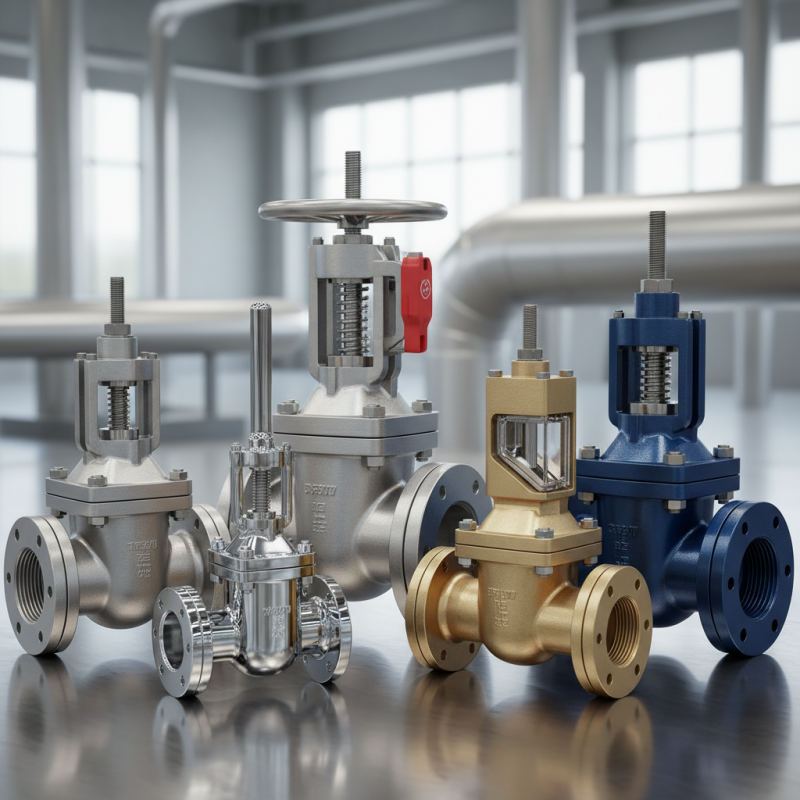
2026 Overview of Gate Valves for Industrial Applications
Gate valves play a crucial role in various industrial applications. In 2026, the demand for high-performance gate valves is expected to increase significantly. According to recent industry reports, the global gate valve market is projected to grow at a CAGR of 5.2% from 2023 to 2028. This growth is driven by the need for reliable flow control in sectors such as oil and gas, water treatment, and chemical processing.
Notably, materials used in gate valves are evolving. Many manufacturers are opting for advanced stainless steel and corrosion-resistant alloys. These materials enhance durability and performance. However, selecting the right gate valve can be challenging. Features such as size, pressure rating, and temperature resistance must align with specific operational requirements. Research indicates that improper selection can lead to costly failures. A staggering 30% of industrial valve failures are linked to poor valve specifications.
While gate valves offer several advantages, they are not without limitations. Their design may restrict flow in certain applications. Additionally, the maintenance can be labor-intensive. It's crucial to weigh these factors when making purchasing decisions. Investing in quality gate valves can lead to long-term savings, but the initial cost can be a barrier for many businesses. A balanced approach is essential for optimizing industrial needs.
Key Features to Consider When Choosing Gate Valves
Choosing the right gate valve is crucial for various industrial applications. Key features can significantly affect performance. One of the primary aspects to consider is the material of the valve. Different materials like stainless steel or ductile iron suit various environments. Assessing the compatibility with your fluids is vital. Also, valve size impacts flow rate and pressure levels, so ensure it matches your system requirements.
Another essential feature is the type of actuator. Handwheel operated valves are straightforward but may require manual effort. Electric or pneumatic actuators offer more control. Yet, higher complexity can lead to increased maintenance. It’s essential to weigh functionality against operational costs. Don’t skip over the seal design either; this ensures leakage prevention. A poor seal choice can lead to operational issues.
Lastly, always evaluate the valve’s pressure rating. Ensure it meets your system’s operational limits. Oversizing or undersizing can create inefficiencies that are hard to diagnose. If you’re uncertain about these details, consulting professionals may help. Reflection on your specific needs is crucial for an effective selection. This process can be confusing, so careful considerations will lead to better decisions.
Top Gate Valve Brands and Their Best Models for 2026
In 2026, selecting the right gate valve can significantly impact industrial efficiency. The market has an array of options tailored for various applications, focusing on durability, flow control, and maintenance. Recent industry reports suggest a growing demand for valves made from advanced materials, emphasizing strength and resistance to corrosion.
Many top-rated gate valves are designed for heavy-duty operations. They often feature solid construction, ensuring longevity in harsh environments. Statistics show that over 70% of industries prioritize reliability when choosing valves. This trend points to the need for gate valves that can withstand high pressures and extreme temperatures.
**Tip:** Regular maintenance schedules can enhance the lifespan of your gate valves. Simply inspecting seals and joints can prevent leaks and failures.
Emerging technologies are also influencing gate valve designs. Smart features allow for better monitoring and control. However, not every innovation has proven effective or reliable over time. Stakeholders should evaluate the practicality of new features before implementation.
**Tip:** When selecting gate valves, consider your specific application requirements. Not all models are suitable for every use.
In conclusion, while the market offers many options for gate valves, careful consideration is essential. Proper research and understanding of industry needs will lead to better choices.
2026 Best Gate Valve Options for Your Industrial Needs
| Valve Type | Material | Size (inches) | Pressure Rating (PSI) | Temperature Range (°F) | Best Application |
| Rising Stem Gate Valve | Stainless Steel | 2 | 150 | -20 to 250 | Water Supply |
| Non-Rising Stem Gate Valve | Ductile Iron | 4 | 250 | -10 to 300 | Wastewater Treatment |
| Slurry Gate Valve | Carbon Steel | 6 | 300 | -40 to 400 | Mining |
| Flexible Wedge Gate Valve | Bronze | 3 | 150 | 0 to 220 | Cooling Water Systems |
| Metal Seated Gate Valve | Alloy Steel | 8 | 600 | -20 to 1200 | High-Pressure Systems |
Maintenance Tips for Ensuring Durability of Gate Valves
Maintaining gate valves is crucial for industrial efficiency. A study from the Hydraulic Institute indicates that improper maintenance can lead to a 30% reduction in valve life. Regular checks are essential. Inspecting for leaks ensures optimal performance. A simple visual examination can reveal significant issues.
Lubrication is another critical aspect. Using the right lubricants can improve seal performance. However, over-lubrication can lead to failures. This is a common mistake. Approximately 15% of valve failures stem from incorrect lubrication practices, according to an industry report.
Also, consider the environmental conditions. Corrosive environments can shorten valve life significantly. Regularly replace seals to prevent leaks. This proactive approach extends durability. Yet, many overlook these routine checks. It's essential to be vigilant, as neglect can lead to costly downtime.
2026 Best Gate Valve Options for Your Industrial Needs
This chart displays the projected performance ratings of various gate valve materials, focusing on their durability and maintenance needs over time.
Comparative Analysis of Gate Valves Versus Other Valve Types
When evaluating gate valves versus other valve types, several factors come into play. Gate valves are designed for low-pressure loss and full flow. Their straight-through design minimizes friction loss, which can be beneficial in large industrial systems. According to a report by the American Society of Mechanical Engineers, gate valves provide a leakage rate of less than 0.01%. This impressive figure can significantly reduce maintenance costs.
However, gate valves are not the best choice for all applications. They perform poorly when used for throttling and can suffer from mechanical wear over time. In systems where flow control is crucial, butterfly or ball valves might be a better option. Research shows that ball valves offer a lower maintenance requirement and faster operation, making them suitable for high-frequency cycling systems. The choice greatly depends on the specific needs of the application.
Despite their benefits, gate valves can also be difficult to operate in confined spaces. Their larger sizes can pose challenges for installation and accessibility. Users should weigh the benefits of reduced friction against possible maintenance issues. Ultimately, a careful analysis of operational requirements is necessary to determine the best valve option for each scenario.