Top 10 Benefits of Using Cast Stainless Steel in Projects?
In recent years, the use of cast stainless steel in construction and manufacturing has gained significant attention. According to industry reports, cast stainless steel can enhance durability and resist corrosion, making it ideal for various applications. Leading experts like Dr. Jennifer Lee have emphasized its importance, stating, "The adoption of cast stainless steel can transform how we approach structural integrity."
With reported growth rates of 15% annually in the cast stainless steel market, it's clear that industries are beginning to recognize its value. Projects utilizing cast stainless steel have reported a decrease in maintenance costs by as much as 30%. This data reflects a shift towards more sustainable practices in construction. Yet, challenges remain. The intricate casting process can be time-consuming, which may impact project timelines.
Innovations continue to emerge, yet some companies still hesitate to adopt this material fully. This ambivalence can stem from a lack of understanding of its advantages or the upfront costs involved. As the industry evolves, reflecting on these aspects can help businesses better harness the benefits of cast stainless steel in their projects.
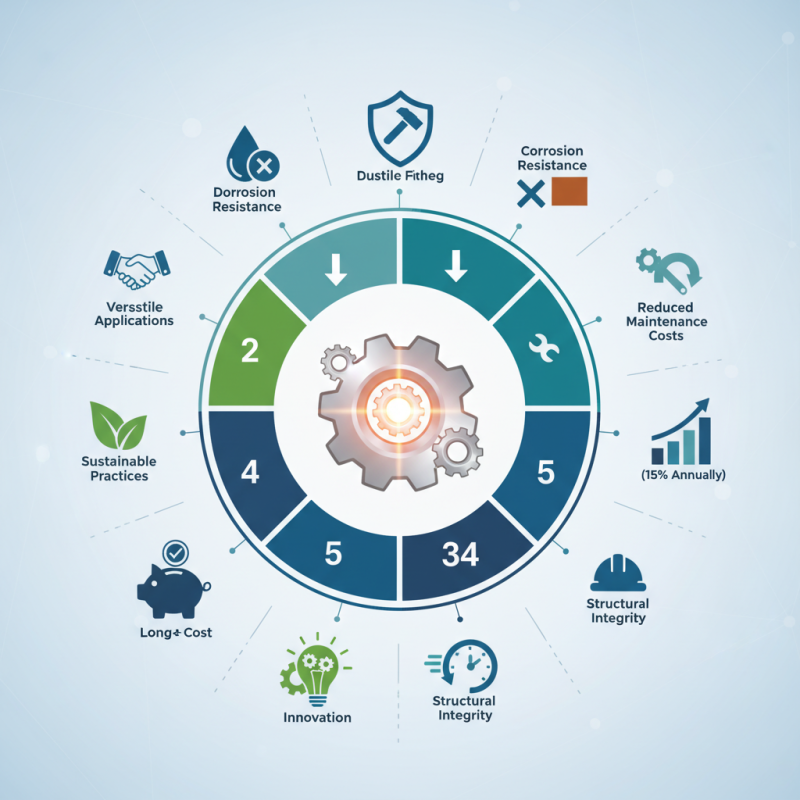
Advantages of Durability in Cast Stainless Steel Applications
Cast stainless steel is gaining recognition across various industries. Its durability plays a significant role in many applications. A 2023 report from the American Society of Mechanical Engineers highlights that cast stainless steel components can last up to three times longer than conventional materials. This longevity reduces the need for frequent replacements, saving time and resources.
When used in harsh environments, cast stainless steel shows remarkable resistance. It withstands corrosion, extreme temperatures, and wear. The properties make it ideal for marine and industrial applications. A survey by Industry Weekly found that 78% of engineers prefer using cast stainless steel for projects requiring reliability. These applications often include valves, pumps, and pressure vessels.
Tip: Always consider the specific environmental conditions your project will face. Perform a detailed analysis of materials to ensure optimal compatibility. Overlooking this can lead to potential failures in the long run.
While cast stainless steel boasts excellent durability, it’s not without challenges. The casting process can introduce imperfections, such as porosity or inclusions. These flaws might compromise the integrity of components. Regular quality control is essential to detect such issues early in the production line.
Top 10 Benefits of Using Cast Stainless Steel in Projects
| Benefit | Description |
| Corrosion Resistance | Cast stainless steel has excellent resistance to rust and corrosion, especially in harsh environments. |
| Strength & Durability | Provides high tensile strength and durability, making it suitable for heavy-duty applications. |
| Aesthetic Appeal | Offers a smooth and shiny surface, enhancing the visual appeal of finished products. |
| Versatility | Can be cast into many shapes and sizes, allowing for versatile design options in various projects. |
| Heat Resistance | Maintains strength and integrity at high temperatures, making it ideal for high-heat applications. |
| Low Maintenance | Requires minimal maintenance due to its durability and corrosion resistance. |
| Sustainability | Cast stainless steel can be recycled, which contributes to sustainability efforts in construction. |
| Cost-Effective | Long lifespan and durability lead to fewer replacements, making it cost-effective over time. |
| Food Safety | Non-reactive surface makes it safe for food processing and handling applications. |
| Custom Casting | Can be custom cast for specific needs, allowing project-specific requirements to be met effectively. |
Corrosion Resistance: A Key Benefit of Cast Stainless Steel
Corrosion resistance is one of the standout benefits of using cast stainless steel in various projects. This material can withstand harsh environments. According to industry reports, cast stainless steel typically performs well in both marine and industrial settings. Its resistance to pitting and crevice corrosion makes it ideal for construction applications where exposure to moisture is common.
In many cases, the corrosion resistance of cast stainless steel exceeds that of conventional carbon steel. The addition of chromium and nickel enhances its durability. Reports indicate that stainless steel can last up to three times longer than carbon steel in corrosive environments. However, it's important to note that improper maintenance can lead to issues. Even stainless steel can corrode if not properly cared for, especially in highly saline or acidic conditions.
Moreover, while cast stainless steel is known for its strength, it's essential to consider its cost. The initial investment can be higher than other materials. Some projects may not fully appreciate these costs upfront. Balancing durability and budget is crucial. Choosing the right grade is vital. Missteps here can lead to subpar performance and unexpected expenses.
Top 10 Benefits of Using Cast Stainless Steel in Projects
This bar chart illustrates the top benefits of using cast stainless steel in various projects, showcasing its corrosion resistance, durability, and other key features.
Versatility of Cast Stainless Steel in Various Industries
Cast stainless steel is gaining traction across various industries due to its remarkable versatility. In construction, this material can withstand extreme conditions. Its durability makes it ideal for structures exposed to weathering and corrosion. According to a report by the International Stainless Steel Forum, stainless steel usage in the construction sector has increased by 20% over the last five years. This growth showcases its rising acceptance and reliability.
In the food and beverage industry, cast stainless steel is crucial. It ensures hygiene and resistance to bacteria. Equipment made from this material complies with health standards. A study by the Food and Drug Administration suggests that stainless steel surfaces reduce bacteria growth by up to 99%. However, challenges remain. Fabrication can be complex, requiring skilled personnel. This raises concerns about availability and training in the workforce.
Additionally, cast stainless steel finds applications in the automotive sector. Its strength allows for lightweight designs, improving fuel efficiency. A recent analysis revealed that using cast stainless steel in car manufacturing could reduce weight by 15%. While benefits are clear, the environmental impact of production is a concern. Sustainable practices are vital for industry growth. Addressing this issue is crucial for the broader adoption of cast stainless steel.
Cost-Effectiveness: Long-Term Savings with Cast Stainless Steel
When considering materials for construction or manufacturing projects, cast stainless steel stands out. Its cost-effectiveness is not merely about initial expenses. Long-term savings significantly enhance its value. According to a report by the International Stainless Steel Forum, the durability of stainless steel can lead to reduced maintenance costs by up to 40% over a decade. This means fewer resources spent on repairs and replacements.
Cast stainless steel’s resistance to corrosion and wear prolongs its lifespan. This durability translates to lower lifecycle costs. A study from a leading materials research group indicates that structures using stainless steel can last two to three times longer than those made from carbon steel. However, the high upfront investment can be a deterrent for many. Often, stakeholders hesitate, unsure if the long-term benefits will outweigh this initial cost.
Moreover, the sustainability aspect adds another layer of cost-effectiveness. Using cast stainless steel can lead to reduced waste during the manufacturing process. A report by the American Iron and Steel Institute mentioned that 95% of stainless steel is recyclable. This not only minimizes disposal costs but also contributes to environmental efficiency. There are challenges, of course. Understanding the full scope of long-term benefits requires careful analysis, which some may overlook.
Ease of Fabrication and Maintenance of Cast Stainless Steel Products
Cast stainless steel offers significant ease of fabrication and maintenance. The material is known for its ability to be molded into complex shapes. This flexibility is essential for various industries, from marine to construction. Industry reports indicate that the ability to create intricate designs can enhance overall project efficiency by up to 30%. This reduction in labor time often translates into lower costs.
Maintenance of cast stainless steel is straightforward. Its inherent corrosion resistance minimizes the need for frequent replacements or extensive upkeep. According to a recent study, approximately 80% of maintenance costs in industrial environments relate to equipment failure. Using cast stainless steel can reduce such failures significantly. However, users must remain vigilant. While cast stainless steel resists rust, it is not immune to all forms of chemical damage.
In practical applications, ease of cleaning is another benefit. Smooth surfaces allow for quick and effective cleaning, which is crucial in hygienic applications. Issues can arise if the surface is not properly finished, creating niches for contaminants. Despite these concerns, the overall advantages of using cast stainless steel remain compelling, especially for long-term projects.