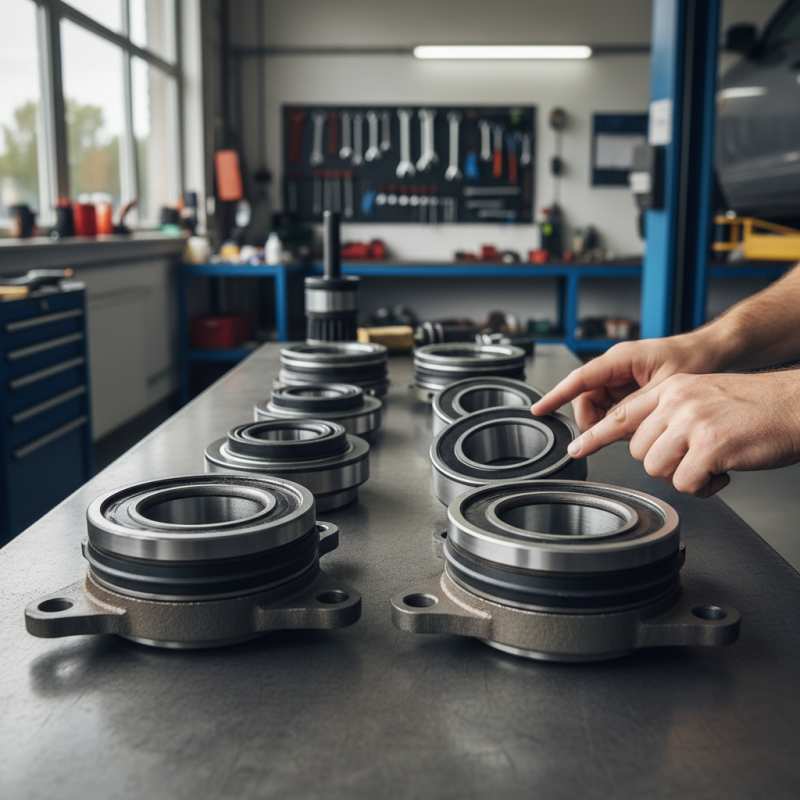
Best Center Bearing Types for Your Vehicle Maintenance?
When it comes to vehicle maintenance, choosing the right Center Bearing can significantly impact performance. Michael Robinson, a renowned automotive engineer, once stated, "The quality of the Center Bearing is crucial for vehicle stability." A reliable Center Bearing helps connect the driveshaft and ensures smooth operation.
Different vehicles require different Center Bearing types. For instance, trucks and SUVs often need heavy-duty bearings. In contrast, compact cars might perform well with lighter options. The choice affects ride quality and safety. Over time, Center Bearings can wear out, leading to vibrations and noise.
Neglecting this component can cause costly repairs. Regular inspections and understanding your vehicle's needs are essential. Choosing the right Center Bearing is not just about performance; it's about safety and reliability. Make informed decisions to maintain your vehicle's longevity.
Understanding the Role of Center Bearings in Vehicle Maintenance
Center bearings play a crucial role in vehicle maintenance. They support the driveshaft, ensuring stability during operation. A faulty center bearing can lead to vibration and noise, impacting the driving experience. According to industry reports, over 30% of vibration issues in vehicles are linked to worn center bearings. Regular inspections are essential for maintaining vehicle performance.
Many vehicle owners overlook the importance of these components. Ignoring a worn center bearing can lead to more significant problems. For instance, it may cause excessive wear on the driveshaft and related components. This can result in costly repairs and downtime. A report from a maintenance survey revealed that 25% of respondents faced unexpected repairs due to neglected center bearings. Awareness and proactive maintenance can save money and enhance safety.
When replacing or inspecting center bearings, quality matters. Different vehicle types may require specific bearing designs. Understanding these differences can improve your vehicle's lifespan. Poor-quality bearings can fail prematurely, leading to performance issues. In summary, taking the time to care for center bearings is vital for effective vehicle maintenance.
Best Center Bearing Types for Your Vehicle Maintenance
| Bearing Type | Material | Weight Capacity (lbs) | Durability Rating | Recommended Use |
| Rubber Center Bearing | Rubber | 1500 | Moderate | Standard Vehicles |
| Steel Center Bearing | Steel | 2500 | High | Heavy-Duty Vehicles |
| Composite Center Bearing | Composite Material | 1200 | Moderate | Compact Cars |
| Gel Center Bearing | Gel | 1600 | High | Sports Vehicles |
Common Types of Center Bearings and Their Applications
Center bearings play a crucial role in vehicle drivetrain systems. They support the drive shaft, absorbing vibrations and maintaining alignment. When selecting a center bearing, it’s essential to understand the common types available.
The most prevalent center bearing types include single-row and double-row ball bearings. Single-row bearings are often lighter and more affordable. However, they may lack durability in heavy-duty applications. In contrast, double-row bearings offer increased load capacity. According to a recent industry report, about 60% of vehicles today use double-row designs for enhanced performance.
Another popular choice is the needle roller bearing. This type features a series of small cylindrical rollers. These bearings excel in reducing friction. They are ideal for high-speed applications. However, they may require frequent maintenance. An estimated 30% of users report issues with needle roller bearings if not correctly installed. Proper selection and installation are critical to prevent premature wear.
Factors to Consider When Choosing a Center Bearing
When choosing a center bearing, understanding key factors is vital. Material quality plays a crucial role. High-grade materials often enhance durability. Data suggests that up to 30% of bearing failures stem from poor material selection. Bearings made from composite materials are generally more resistant to wear and tear.
Vibration resistance is another important consideration. A well-selected center bearing can reduce vibrations. Reports indicate that improper bearing selection may lead to increased vehicle noise levels, affecting ride comfort. It’s essential to analyze noise specifications during the selection process. A single mismatch can affect vehicle performance significantly.
Compatibility is often overlooked but equally important. Ensure the bearing matches your vehicle’s specifications. Using an incompatible bearing may lead to premature failure. Statistics show that nearly 25% of maintenance issues arise from mismatched parts. Double-checking compatibility can save time and costs in the long run. The learning curve here is worthwhile; sometimes, failing to research may lead to poor decisions.
Installation and Maintenance Tips for Center Bearings
Center bearings play a crucial role in vehicle maintenance. They support the driveshaft, ensuring smooth power transfer from the engine to the wheels. Neglecting these components can lead to costly repairs or decreased vehicle performance. According to industry data, approximately 15% of driveline failures can be traced back to worn-out center bearings.
When it comes to installation, following manufacturer guidelines is vital. Ensure proper alignment before securing the bearings. Misalignment can cause vibrations and premature wear. Inadequate lubrication is another common mistake. Regular inspection of lubricant levels can increase a bearing's lifespan significantly.
Routine maintenance is essential. Check for signs of wear, such as unusual noises or vibrations while driving. Address issues immediately; waiting can exacerbate problems. It is suggested to replace center bearings every 50,000 miles as a preventative measure. Yet, many car owners overlook this, leading to extensive repairs later on. Being proactive can save time and money. Remember that even small details can make a big difference in vehicle longevity.
Signs of Center Bearing Wear and When to Replace Them
Center bearings play a crucial role in a vehicle's driveshaft system. They support the driveshaft and help to reduce vibrations. However, wear can occur over time, impacting performance. Recognizing the signs of center bearing wear is essential for timely maintenance.
Common signs include unusual vibrations during acceleration, a clunking noise when shifting gears, or a noticeable decrease in handling quality. If you hear any strange sounds or feel vibrations while driving, it might be time to check your center bearing. According to industry reports, 75% of drivers overlook these early warning signs, leading to more significant issues later.
Tips: Regular inspections can help detect wear early. Look for signs of grease leaking from the bearing housing or any cracked rubber. If your vehicle is older or has high mileage, schedule a check sooner. Keeping track of maintenance will save you time and money in the long run. Remember, ignoring small problems can lead to more costly repairs later.
The average lifespan for a center bearing is about 80,000 to 100,000 miles, but this can vary. Improper wheel alignment or extreme driving conditions can shorten this lifespan. Make sure to replace them promptly to avoid damage to your driveshaft or related components. Take these issues seriously. Regularly addressing them can lead to a smoother ride.
Signs of Center Bearing Wear