Best Corrugated Iron Roofing Sheet Making Machines for Quality Production?
The demand for quality construction materials is rising steadily. Among these, corrugated iron roofing sheets stand out for their durability and versatility. Choosing the right machine for production is critical. A reliable corrugated iron roofing sheet making machine can influence the quality and efficiency of the manufacturing process.
Investing in advanced machinery can significantly boost production rates. Many manufacturers overlook the importance of machine specifications and maintenance. Quality materials lead to better output, but so does the machine that shapes them. Focusing on details in machinery can prevent costly errors. Some machines may seem appealing but fail in specific conditions.
Selecting the best corrugated iron roofing sheet making machine is essential for any business. Reflecting on choices made can enhance future investments. Quality production requires not just the right materials but also the right tools. It is a journey that demands continuous learning and improvement in the manufacturing industry.
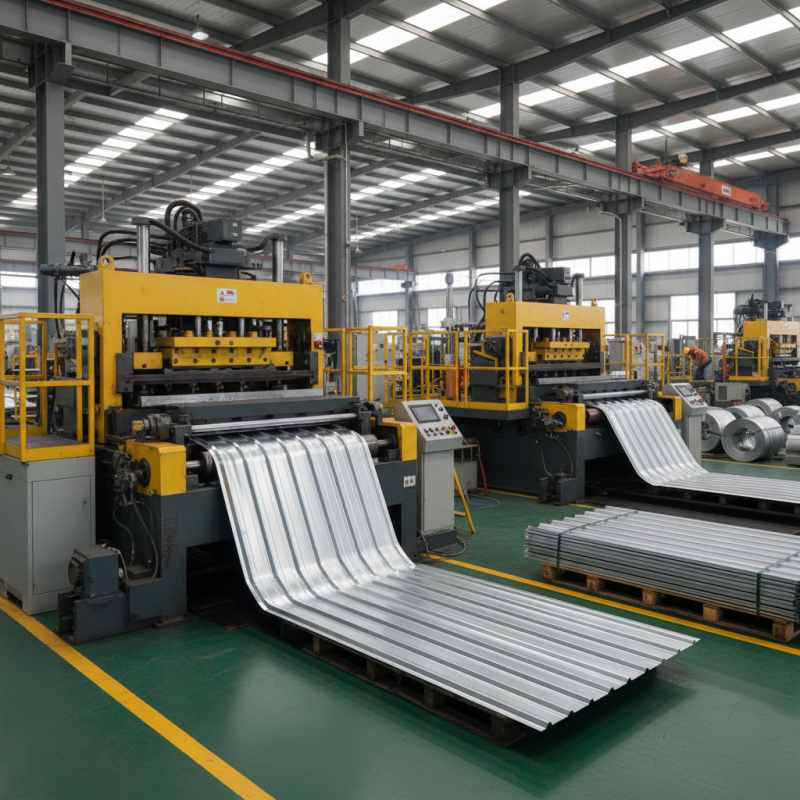
Overview of Corrugated Iron Roofing Sheets and Their Applications
Corrugated iron roofing sheets have become a popular choice for construction. They are durable and resistant to harsh weather. Many industries use them for residential and commercial buildings. These sheets offer excellent protection against rain, snow, and wind. Their lightweight nature makes installation easier.
Tips: When selecting roofing sheets, consider the thickness. Thicker sheets typically offer better durability. Factor in the local climate too. Areas with heavy rainfall may require stronger materials for longevity.
Despite their advantages, there can be downsides. Corrugated iron sheets can rust if not properly coated. It's essential to maintain the protective layer to ensure a long lifespan. Not all applications benefit equally from iron sheets. Evaluate your project needs before deciding. Keep in mind that while they are affordable, improper use may lead to costly repairs later.
Production Capacity of Corrugated Iron Roofing Sheet Making Machines
Key Features to Consider When Choosing Roofing Sheet Making Machines
When selecting a roofing sheet making machine, consider its capacity. Machines come in various sizes. A higher capacity means more sheets per hour. However, larger machines may require more space. Assess your workspace before choosing.
Next, look at the material options. Some machines can handle different types of metal. A versatile machine could save you money in the long run. But, not all machines perform equally well with every material. Testing the machine with your preferred metal is wise.
Finally, focus on the build quality. A sturdy machine ensures longevity and consistent output. Look for features like adjustable speed and easy maintenance. Machines with complex setups may slow down your production. Simplicity can lead to better efficiency. Remember, what looks good on paper may not work perfectly in reality. Regular feedback is crucial for improvement.
Top Manufacturers of Corrugated Iron Roofing Sheet Making Machines
When selecting manufacturers for corrugated iron roofing sheet making machines, quality is key. Several companies excel in the industry. They focus on innovation and efficiency. You’ll find a mix of established brands and newer contenders. Both offer unique features. Some prioritize speed, while others focus on durability and ease of use.
These manufacturers often have a solid reputation. It’s essential to research their track record. Look at customer feedback and case studies. Not all machines are created equal. Some might lack reliability despite their initial appeal. Investigate warranty terms and support services offered. Machines that come with long-term assistance often provide better value.
Additionally, consider the technology used in these machines. Advanced features may seem attractive, but they can lead to complications. Simpler systems may offer more consistent results. Always weigh the balance between features and simplicity. It's a critical part of making a wise investment in roofing production technology.
Best Corrugated Iron Roofing Sheet Making Machines for Quality Production
| Machine Model | Production Capacity (sheets/hour) | Sheet Thickness (mm) | Power Requirement (kW) | Automation Level |
| Model A | 300 | 0.3 - 0.7 | 15 | Fully Automatic |
| Model B | 250 | 0.4 - 0.8 | 12 | Semi-Automatic |
| Model C | 350 | 0.5 - 1.0 | 18 | Fully Automatic |
| Model D | 200 | 0.3 - 0.6 | 10 | Manual |
Techniques for Ensuring Quality Production in Roofing Sheet Manufacturing
Producing high-quality corrugated iron roofing sheets requires attention to detail. Start by selecting the right raw materials. Ensure the steel used is of good grade. Quality sheets come from quality inputs. Regular inspection is crucial. Check for any defects or inconsistencies in the steel before processing.
Tips: Always maintain equipment. Regular maintenance prevents breakdowns during production. A well-maintained machine often produces better results. It can be tempting to cut corners, but this usually leads to issues later.
Next, focus on the manufacturing process. Ensure precision in cutting and shaping the sheets. Even slight deviations can affect the final product's quality. Training your operators is vital. Knowledgeable staff can spot mistakes earlier.
Tips: Implement quality control checks at every stage. This habit can identify flaws before they escalate. Remember, it's easier to fix small issues than to deal with significant mistakes later. Quality production is not just a goal; it's an ongoing process.
Maintenance Tips for Prolonging the Life of Roofing Sheet Making Machines
Maintaining roofing sheet making machines is essential for longevity. Regular inspections can help. Look for signs of wear and tear. A small issue can turn into a bigger problem. Check belts, bearings, and rollers often. Replace any worn out parts immediately. This helps maintain production quality.
Lubrication is crucial. Apply lubricant to moving parts monthly. This prevents rust and reduces friction. Inspect the machine's electrical components too. Dust and moisture can cause failures. Clean these areas meticulously. A clean environment is key for smooth operation. However, don’t forget to educate staff on proper use. Misuse can lead to unnecessary damages.
Keeping a maintenance log can also be a good practice. Document inspections, repairs, and replacements. This offers insights into machine performance trends. It can reveal when more significant issues are likely to arise. Regular analysis helps in maximizing efficiency. This is an ongoing journey of improvement. Sometimes, unexpected breakdowns can still happen. Stay prepared for these situations. An effective plan can save time and money.