Best PVC Tarpaulin for Outdoor Use How to Choose?
When selecting the best PVC Tarpaulin for outdoor use, it's essential to understand its strengths and limitations. PVC tarpaulins are widely recognized for their durability and weather resistance. According to a recent industry report, the global tarpaulin market is projected to grow significantly, driven by increased demand in various outdoor applications.
Choosing a PVC tarpaulin involves assessing factors like thickness, UV resistance, and waterproofing. A high-quality tarpaulin can protect your outdoor equipment from harsh weather. It's interesting to note that many users overlook the importance of proper maintenance. Regular cleaning can extend the lifespan of PVC tarpaulins significantly.
However, not all PVC tarpaulins are created equal. Some may lack the required tensile strength or UV protection. Consumers must be cautious in selecting their materials. The right choice hinges not only on specifications but also on real-world usage. Understanding these details can lead to more informed purchasing decisions.
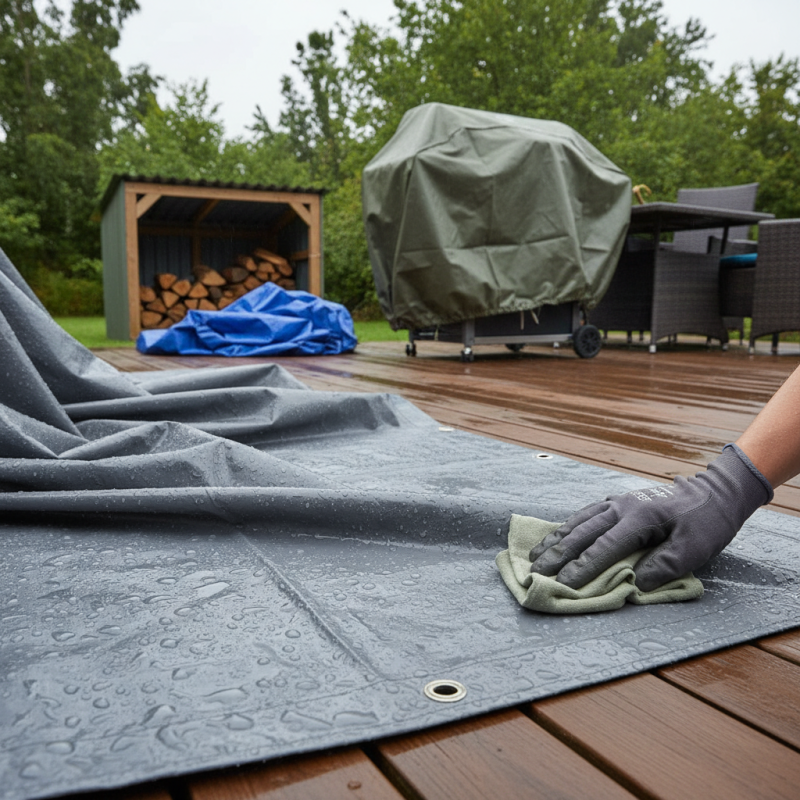
Factors to Consider When Choosing PVC Tarpaulin for Outdoor Use
When selecting the best PVC tarpaulin for outdoor use, several factors come into play. Firstly, consider the thickness of the material. A thicker tarp can withstand harsher weather conditions. Typically, a thickness of at least 0.5mm is recommended for durable outdoor use. Additionally, check the UV resistance level. UV-treated tarps can prevent fading and degradation from prolonged sun exposure. This is critical if it will be used in sunny climates.
Another important factor is the weight of the tarpaulin. Heavier tarps are often more durable and less likely to tear easily. However, they can be cumbersome to handle. Think about your specific needs. Is portability essential? A lightweight option may suit you better. Also, take into account the color of the tarp. Bright colors may reflect heat, while darker colors can absorb it, affecting the temperature inside the covered area.
Finally, don't overlook the seams and grommets. Double-stitched seams provide better strength. Grommets allow for secure tying down, preventing the tarp from flying away in strong winds. It's also a good idea to read feedback from other users. Their experiences can highlight both strengths and weaknesses of different tarps.
Types of PVC Tarpaulin Suitable for Different Weather Conditions
When selecting PVC tarpaulin for outdoor use, it's crucial to consider the weather conditions it will face. There are various types available, each suited to specific climates. Heavy-duty PVC tarpaulin is ideal for areas with extreme weather. It's durable and resistant to harsh winds and rain. Look for materials with a high tensile strength. This gives them better longevity during tough conditions.
In milder climates, lighter PVC tarpaulin can suffice. These are easier to handle and set up. They should still offer UV protection to guard against sun damage. Opt for a fabric that is not too thin, as it may tear or fade easily. It’s also essential to check if the tarpaulin has anti-mildew properties, especially in humid areas.
When shopping, don't ignore the weight of the material. A heavier tarpaulin can be more cumbersome. However, it often offers better protection. Consider your storage space, as well. A bulky tarp might not be easy to manage. Pay attention to your specific needs, and choose wisely. Each option comes with pros and cons, so think about what matters most for your outdoor setup.
Durability and Strength: Key Features of Quality PVC Tarpaulin
When choosing the best PVC tarpaulin for outdoor use, durability and strength are key features. Quality PVC tarpaulins are known for their ability to withstand harsh weather conditions. They resist tears, making them ideal for long-term outdoor applications. Look for thickness as a sign of strength. A thicker tarpaulin often means better durability.
Tip: Always check the puncture resistance of the material. A strong tarpaulin should not tear easily when subjected to sharp objects. Pay attention to the seams as well. Double-stitched seams offer greater strength and prevent water from seeping through.
UV resistance is another critical factor. Exposure to sunlight can weaken the material over time. A good PVC tarpaulin should maintain its integrity despite prolonged sun exposure. Notice how the color fades. This can indicate the level of UV protection offered.
Tip: Consider how you will use the tarpaulin. For camping, a lightweight option may suffice. However, for heavy-duty applications like covering vehicles or machinery, opt for a thicker, more robust choice. The right balance of weight and strength is essential. Right choice can save you money and hassle in the long run.
Durability and Strength of PVC Tarpaulin for Outdoor Use
Comparing PVC Tarpaulin Brands: What to Look For
When selecting PVC tarpaulin for outdoor use, brand comparison is vital. Numerous factors affect the choice. One key aspect is the material's thickness. High-quality PVC tarpaulins typically range from 500 gsm to 1000 gsm. Thicker tarpaulins offer more durability but may be heavier and harder to handle.
Another detail to consider is the fabric's weave. A tighter weave means added strength and tear resistance. Industry data suggests that tarpaulins with a denier rating above 1000 tend to perform better in harsh weather conditions. While choosing, keep in mind that not all brands provide the same quality assurance.
Waterproofing also matters, with some tarpaulins offering a rating of up to 3000 mm hydrostatic head. This rating is impressive, but real-world performance can differ. Many users report leaks after prolonged exposure to rain. Always check for customer reviews and feedback, as these insights can reveal hidden flaws or strengths of different products.
Maintenance Tips for Prolonging the Life of PVC Tarpaulin Outdoors
When using PVC tarpaulin outdoors, proper maintenance is essential to extending its lifespan. Research shows that UV exposure can significantly degrade materials over time. To combat this, try to store the tarpaulin in shaded areas when not in use. Even a few hours of intense sun can lead to brittle and cracked fabric.
Regular cleaning is another crucial aspect. Dust, dirt, and grime can accumulate and cause discoloration. Use a soft brush or cloth with mild soap to gently scrub the surface. Rinse thoroughly afterward. This simple step can prevent permanent staining and help maintain the material's color and flexibility.
Additionally, be cautious with sharp objects. Punctures or tears can occur easily. Always inspect the tarpaulin before and after use. When storing, fold it neatly rather than rolling it up tightly. This reduces stress on the seams. Following these tips can dramatically enhance the durability of your PVC tarpaulin, making it a long-lasting investment for outdoor applications.
Best PVC Tarpaulin for Outdoor Use - How to Choose? - Maintenance Tips for Prolonging the Life of PVC Tarpaulin Outdoors
| Feature | Importance | Tip |
| UV Resistance | Protects against sun damage | Choose tarpaulins with UV inhibitors |
| Waterproof | Keeps contents dry | Look for welded seams |
| Tear Resistance | Increases durability | Select a thicker material |
| Flexibility | Easier to handle and set up | Opt for flexible PVC materials |
| Color Options | Affects visibility and aesthetics | Choose colors according to use |