Why Choose a Fiberglass Mesh Machine for Your Production Needs?
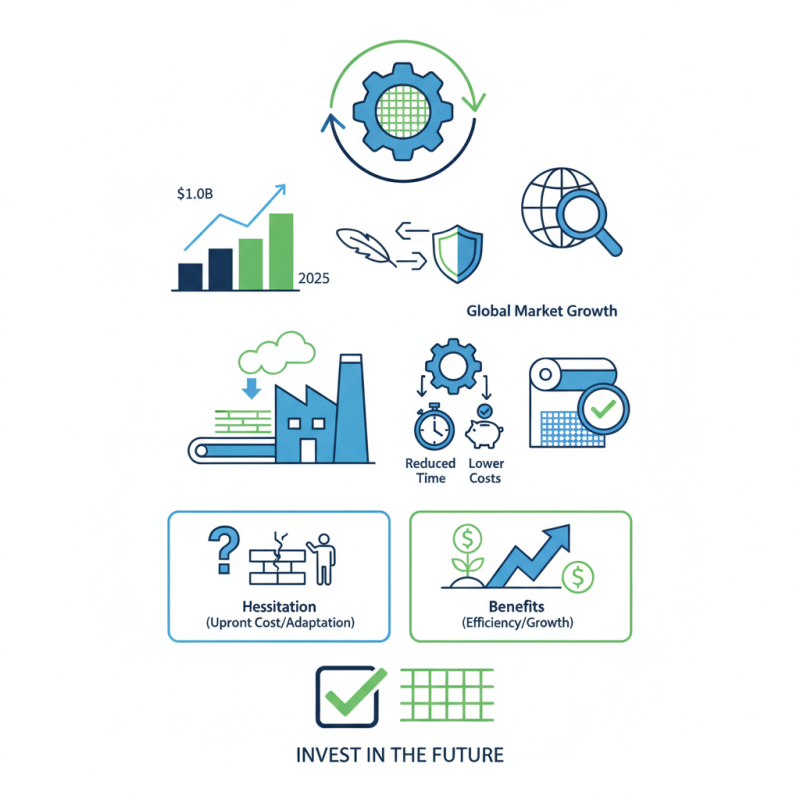
In today's competitive market, choosing the right machinery for production is crucial. A fiberglass mesh machine stands out as a vital investment for various industries. According to a recent report by MarketsandMarkets, the fiberglass mesh market is projected to reach $1.56 billion by 2025. The rising demand for lightweight and durable materials is driving this growth.
A fiberglass mesh machine enables companies to produce high-quality mesh efficiently. Industries like construction and automotive rely heavily on this technology. It minimizes production time and reduces labor costs. Quality control can be improved with advanced machinery, ensuring consistency in the final product.
However, some manufacturers may hesitate to switch machines due to upfront costs or technological adaptation. This hesitation can lead to missed opportunities for efficiency gains. Reflecting on production methods can uncover areas for improvement. Investing in a fiberglass mesh machine may seem daunting, but the benefits often outweigh initial concerns.
Understanding Fiberglass Mesh Machines: An Overview of Technology
Fiberglass mesh machines play a crucial role in modern production. These machines produce high-quality mesh used in construction and other industries. Their versatility enhances efficiency, leading to improved product output. In fact, the global fiberglass mesh market is expected to grow significantly, projected to reach USD 1.5 billion by 2025 according to industry reports.
Fiberglass mesh technology has evolved rapidly. Today’s machines feature advanced automated systems that ensure precision and reduce labor costs. The machines can handle various fiberglass types, meeting diverse production demands. However, transitioning to these advanced machines requires careful consideration. Some manufacturers struggle with operation and maintenance. The learning curve can impede productivity initially.
Tips: Regular training for operators enhances machine efficiency. Regular inspections can help identify issues before they escalate. Investing in consistent maintenance can safeguard your machinery’s longevity. Remember, not all machines will suit every production need. Assess your specific requirements carefully.
Key Advantages of Using Fiberglass Mesh in Construction and Industry
Fiberglass mesh is gaining popularity in construction and industry. Its lightweight nature makes it ideal for various applications. According to industry data, the global fiberglass market is projected to reach $85 billion by 2025. This growth highlights the rising demand for fiberglass in construction.
The use of fiberglass mesh enhances structural integrity. It provides strength and flexibility, making buildings more resilient. Reports indicate that structures reinforced with fiberglass can withstand extreme conditions. Notably, fiberglass is resistant to corrosion, reducing maintenance costs over time. This advantage means it is often favored for outdoor applications and in industrial settings.
However, there are challenges. The initial investment in fiberglass mesh can be significant. Manufacturers must weigh the long-term benefits against upfront costs. Additionally, not every project may require this specialized mesh. Proper assessment is essential to avoid unnecessary expenses. Despite these considerations, the benefits of fiberglass mesh often outweigh the drawbacks. Its contribution to safety and durability cannot be overlooked.
Analyzing Production Efficiency: Output Rates of Fiberglass Mesh Machines
When considering production efficiency, output rates of fiberglass mesh machines play a crucial role. These machines can produce various mesh types, with output speeds often exceeding 20 meters per minute. This helps to meet high demand. However, achieving optimal output rates requires careful calibration and routine maintenance. Regular checks can minimize downtime and maintain consistent production levels.
Understanding the specific needs of your production line is vital. Not all machines are suitable for every project. Factors such as mesh size and material type can impact performance. Sometimes, operators face challenges when adapting to new technology. Training is essential to maximize the potential of these machines. Without proper knowledge, output can suffer.
It is important to note that while fiberglass mesh machines can enhance productivity, they are not without flaws. Users may experience variability in output due to mechanical issues. Inconsistent quality can arise when materials or settings are not correctly aligned. Continuous evaluation and feedback mechanisms are essential for addressing these challenges. Each production run should be a learning opportunity for improvement.
Comparative Costs: Fiberglass Mesh Machines vs. Traditional Production Methods
When considering production methods, the cost is a crucial factor. Fiberglass mesh machines offer significant savings compared to traditional setups. For instance, the initial investment is often higher for older methods, including labor-intensive options. This can lead to inflated operational expenses over time. On the other hand, a fiberglass mesh machine streamlines production, enhancing efficiency and minimizing waste.
Moreover, maintenance costs tend to differ. Traditional machines may require frequent repairs and part replacements. This can become a financial burden that adds up over the years. In contrast, fiberglass mesh machines generally have lower maintenance needs. This means less downtime and more consistent output.
However, investing in a fiberglass mesh machine isn’t without challenges. Some users report a learning curve in operating the new technology. Additionally, older methods may have a distinct craftsmanship that modern machines lack. Balancing efficiency with quality often requires reflection and adjustment. While fiberglass machines promise cost benefits, it’s essential to evaluate the broader context of production needs.
Market Demand Insights: Growth Projections for Fiberglass Mesh Applications
The fiberglass mesh market is witnessing significant growth. According to industry reports, the demand for fiberglass mesh applications is projected to grow at a rate of 7% annually. This increase is driven by its versatility in sectors like construction, automotive, and aerospace.
Fiberglass mesh is essential for reinforcing materials, enhancing durability and longevity. With rising construction projects globally, builders seek reliable solutions. Many companies are shifting towards fiberglass because it offers a balance of strength and lightweight characteristics. This shift reflects a broader industry trend towards sustainable and efficient materials.
Tip: When selecting a fiberglass mesh machine, consider production speed and versatility.
However, integrating fiberglass mesh in production isn't without challenges. Some manufacturers face issues with quality control and consistency. Investing in a high-quality machine can mitigate these problems.
Tip: Regular maintenance of your fiberglass mesh machine is crucial for consistent output.
The sustainability trend further influences market demands. Many end-users prefer eco-friendly materials, pushing manufacturers to innovate. Balancing quantity with quality presents ongoing obstacles. Companies need to adapt or risk falling behind.