How to Choose the Best Dot Peen Machine for Your Needs?
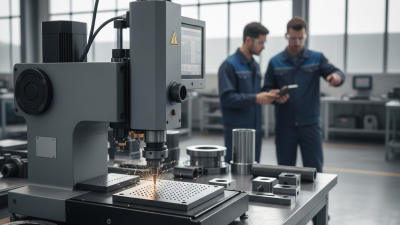
Choosing the right Dot Peen Machine can be a daunting task. This machine is essential for marking various materials. With so many options available, how do you know which one fits your needs?
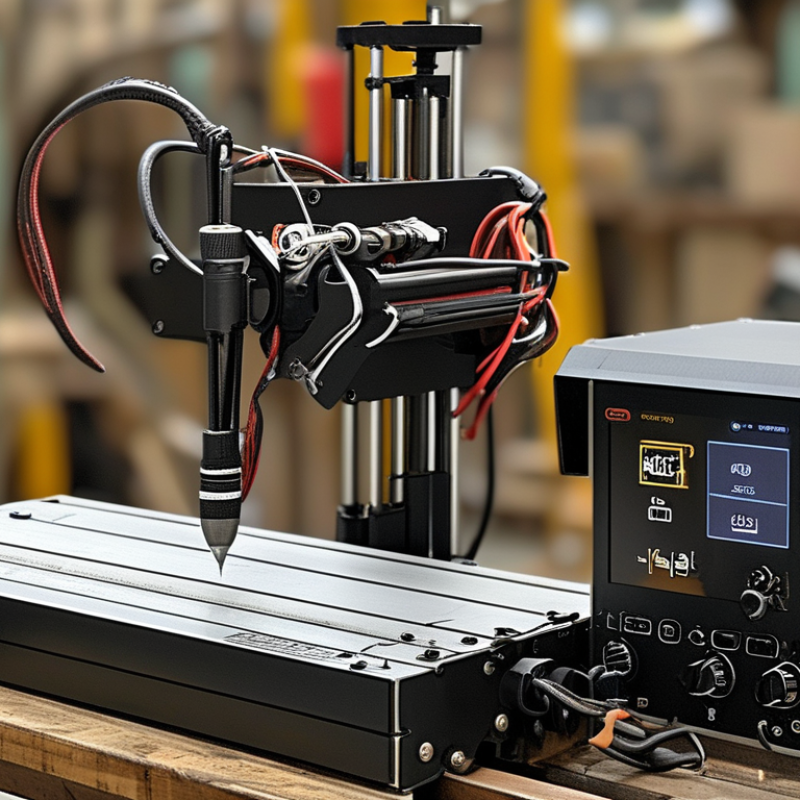
Understanding the core features of Dot Peen Machines is vital. They vary in size, speed, and capability. Different industries may require different specifications. For instance, a larger machine may suit heavy-duty tasks, while a compact model can work in tight spaces.
You must also consider the ease of use. Some machines have complex controls that can frustrate new users. Read reviews to gauge the user experience. Ultimately, selecting a Dot Peen Machine involves balancing your specific needs with the features each model offers. Reflect on what you truly require, and don’t rush the decision.
Understanding Dot Peen Marking Technology and Its Applications
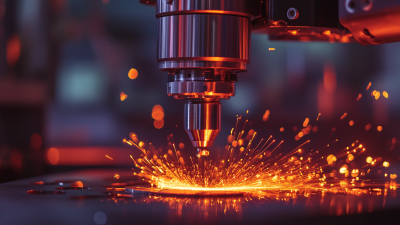
Dot peen marking technology is widely used for permanent product identification. This method utilizes a pneumatically driven stylus to create precise marks on various substrates, including metals, plastics, and ceramics. Reports indicate that the dot peen marking market is projected to grow at a CAGR of 8.5% from 2022 to 2027, showcasing the increasing importance of this technology in manufacturing and logistics.
Applications of dot peen marking are diverse. It is used for serial numbers, barcodes, and other essential data on tools, machinery, and components. The ability to produce high-quality and durable markings is crucial for traceability in industries such as aerospace and automotive. However, users must consider the material compatibility and surface finishes when selecting a machine. Choosing the wrong machine might result in inadequate marking quality or damage to the product surface.
Operators must be aware of the maintenance needs of dot peen machines to prevent downtime. Regular checks can enhance performance, but neglect may lead to inconsistent markings. The learning curve for programming these machines can also be steep, which is often overlooked. Overall, while dot peen marking is effective, awareness of the challenges is essential for optimizing its benefits.
How to Choose the Best Dot Peen Machine for Your Needs?
| Feature |
Description |
Importance |
| Marking Depth |
The maximum depth the machine can achieve for permanent markings. |
Critical for applications requiring deep engraving on hard materials. |
| Speed |
The rate at which markings can be applied, typically measured in characters per minute. |
Important for maximizing efficiency in production environments. |
| Portability |
Ease of transporting the machine for on-site marking tasks. |
Useful for industries that require marking in various locations. |
| Maintenance |
The frequency and ease of maintenance required to keep the machine in good working order. |
Influences the long-term cost effectiveness and downtime. |
| Software Compatibility |
The ability of the machine to work with various design and CAD software. |
Essential for seamless integration into existing workflows. |
| Material Compatibility |
The types of materials that can be effectively marked by the machine. |
Critical for industries working with diverse substrates. |
Key Factors to Consider When Selecting a Dot Peen Machine
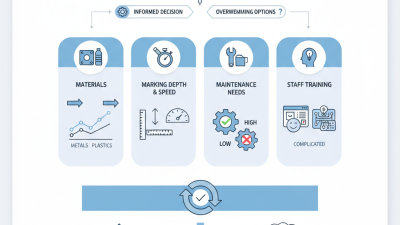
When it comes to selecting a dot peen machine, understanding your specific needs is vital. Different applications require different functionalities, like speed and accuracy. When engraving parts, consider the material you will work with. Some machines excel with metal, while others may struggle. Think about the depth and clarity required for your projects. A machine too powerful might lead to unwanted damage.
An important factor is the ease of use. Many machines can be complex, with intricate settings. Choose a model that offers user-friendly interfaces. Training staff on a complicated machine can lead to errors. Additionally, maintenance plays a crucial role in long-term efficiency. Regular upkeep ensures quality marking and reduces downtime.
Cost is a common consideration as well. It's easy to fall into the trap of choosing the cheapest option. However, consider the total cost of ownership, including maintenance and operational expenses. Investing more initially can yield better results over time. Reflect on how the technology aligns with your production goals. Remember, selecting the right machine is not just about features but also about improving your workflow.
Comparing Key Features of Dot Peen Machines
Comparing Different Types of Dot Peen Machines on the Market
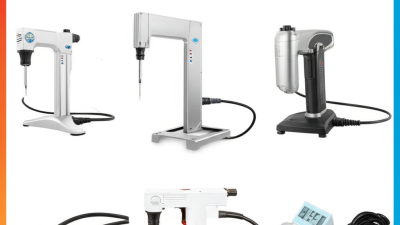
When selecting a dot peen machine, understanding the types available is vital. The two primary categories are portable and stationary machines. Portable machines offer flexibility, allowing operators to mark items anywhere. Stationary machines are designed for larger parts, providing stability and precision. Data suggests that nearly 40% of manufacturers prefer portable solutions for their adaptability.
Marking depth and speed are critical factors in evaluating different models. Research indicates that machines with a higher marking depth can significantly enhance product traceability. For example, a machine with a 1.5 mm marking depth ensures better information permanence. Speed is equally crucial; faster machines reduce production downtime. Many businesses report a 20% rise in efficiency after upgrading to high-speed models.
Consider the learning curve involved with each machine type. Some have user-friendly interfaces while others require extensive training. This aspect can lead to operational challenges. Companies often find themselves grappling with the intricacies of more complex machines. Gathering feedback from existing users can provide valuable insights into ongoing struggles. Understanding these variables will help you make a more informed decision.
Assessing Machine Features: Speed, Accuracy, and Versatility
Choosing a dot peen machine involves careful consideration of specific features. Speed is a crucial factor. A faster machine can enhance productivity, especially in high-demand environments. However, speed should not compromise the quality of marking. Some users find that higher speed leads to less clear markings. Balancing speed and quality is essential for effective production.
Accuracy also plays a significant role. A machine that cannot maintain consistent marking precision can lead to production errors. It's important to assess how a machine performs across different materials. Some machines may excel with metal but struggle with plastics. Testing various applications can help identify a machine's true capabilities.
Versatility is another key feature to consider. Machines that can handle various tasks provide better value. Some businesses require machines that can switch between different marking depths and styles easily. However, versatility can also lead to complexity. Users may find advanced features difficult to navigate without adequate training. Evaluating user-friendliness is essential when considering a machine with extensive options.
Budget Considerations and Return on Investment for Dot Peen Machines
When selecting a dot peen machine, budget considerations are crucial. Studies indicate that effective return on investment (ROI) plays a vital role in decision-making. An initial investment in a high-quality machine can yield substantial savings over time. On average, companies report a 25% increase in productivity after upgrading to advanced machinery. Lower maintenance costs contribute significantly to overall savings as well.
Budget constraints can limit options. However, understanding the long-term implications of your choice is essential. Investing in an efficient machine can reduce labor costs. Reports have shown that businesses can save up to 15% in labor expenses when employing automated solutions. This data emphasizes the importance of balancing upfront costs with potential savings and productivity gains.
The reliability of machinery impacts overall operations too. Less reliable machines often lead to unplanned downtime, adversely affecting profits. A comprehensive analysis revealed that 30% of companies experience significant production delays due to faulty equipment. Buying based solely on price might lead to hidden costs in the long run. Balancing budget with quality ensures a sound financial decision.