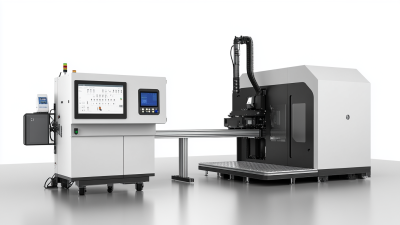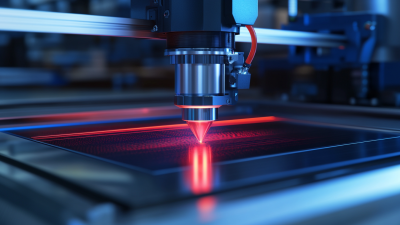
Choosing the right Fiber Marking Machine is crucial for efficiency and quality in manufacturing. The global fiber laser market size was valued at approximately $2 billion in 2022 and is projected to grow significantly. This indicates a heightened demand for reliable marking solutions across various industries. Implementing a high-quality marking system can enhance product traceability and longevity.
When selecting a fiber marking machine, consider your specific needs. Not all machines are created equal, and factors such as material compatibility and marking speed matter greatly. Research shows that businesses report a 30% increase in productivity after upgrading to advanced fiber laser systems. However, the ideal choice often involves trade-offs. Balancing cost with capabilities can be challenging.
Not every machine will suit your project requirements or budget constraints. Some customers have expressed regret over selecting low-cost options that underperform. Understanding the nuances of fiber marking machines is essential. Ensure your choice aligns with your goals for precision and durability. Evaluate reviews and case studies to make an informed decision.

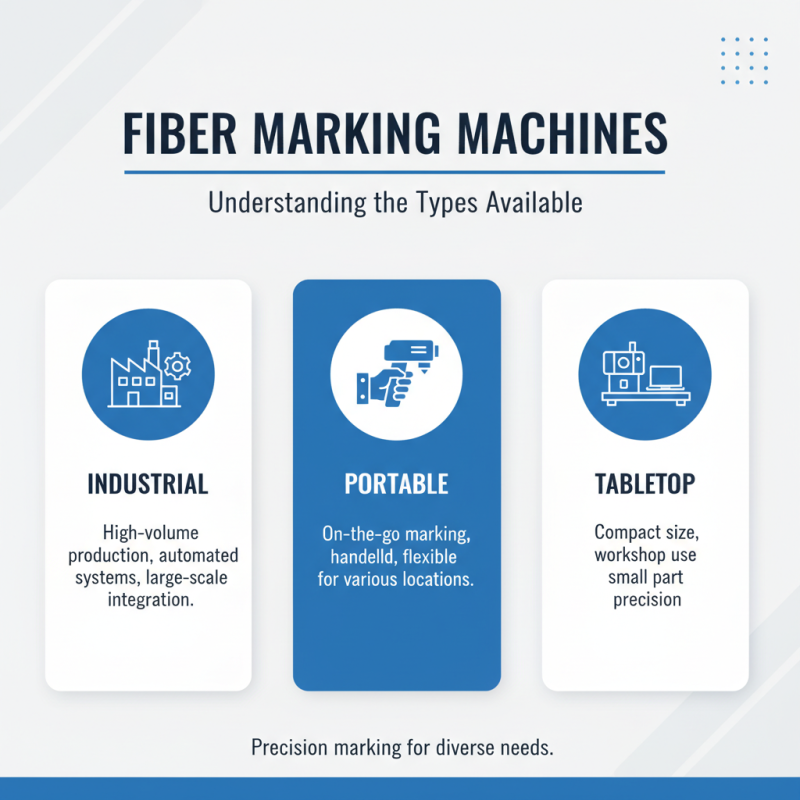
When exploring fiber marking machines, understanding the types available is crucial. These machines utilize fiber laser technology for precision marking. The primary types include industrial, portable, and tabletop models. Each serves unique purposes, depending on requirements.
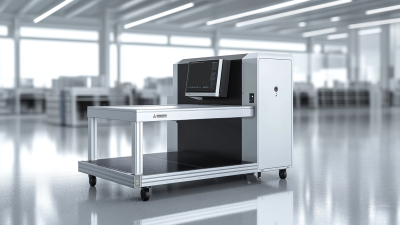
Industrial fiber marking machines are robust and designed for high-volume production. They excel in marking metal, plastics, and other materials. Their durability makes them suitable for factories where reliability is critical. Yet, they may not fit smaller operations due to their size and cost.
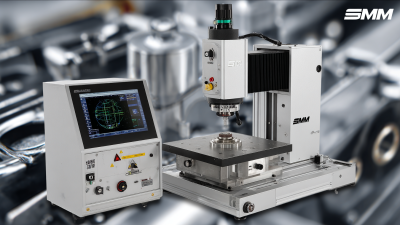
Portable models offer flexibility. They are ideal for on-site jobs. Users can easily transport them for various applications. However, these machines may have limitations in speed and power compared to industrial versions. Tabletop fiber marking machines are compact and user-friendly. They cater to businesses with limited space. Yet, they may not handle large projects efficiently. Choosing the right type involves considering production scale and application needs. Each type has strengths and weaknesses, impacting overall efficiency. It's essential to reflect on these factors before making a decision.
When selecting a fiber marking machine, several key features warrant careful consideration.
Firstly, assess the machine's power and speed. Machines with higher wattage often yield faster marking. However, greater power can also lead to increased energy costs. Evaluate your specific marking requirements and balance speed with efficiency. A slower machine might better suit delicate materials, leading to superior results without damaging the surface.
Another important feature is the marking area. Consider the size and shape of the items to be marked. A larger marking area provides versatility, accommodating various product sizes. However, smaller machines can be more space-efficient. Also, think about the user interface. Intuitive controls can streamline operation and reduce training time.
Lastly, evaluate the machine's longevity and maintenance needs. Some models are engineered for durability, needing less frequent repairs. However, a robust machine may come with a higher price tag. Weigh the potential costs of upkeep against the initial investment. A detailed analysis will help in selecting a machine that truly meets your needs.
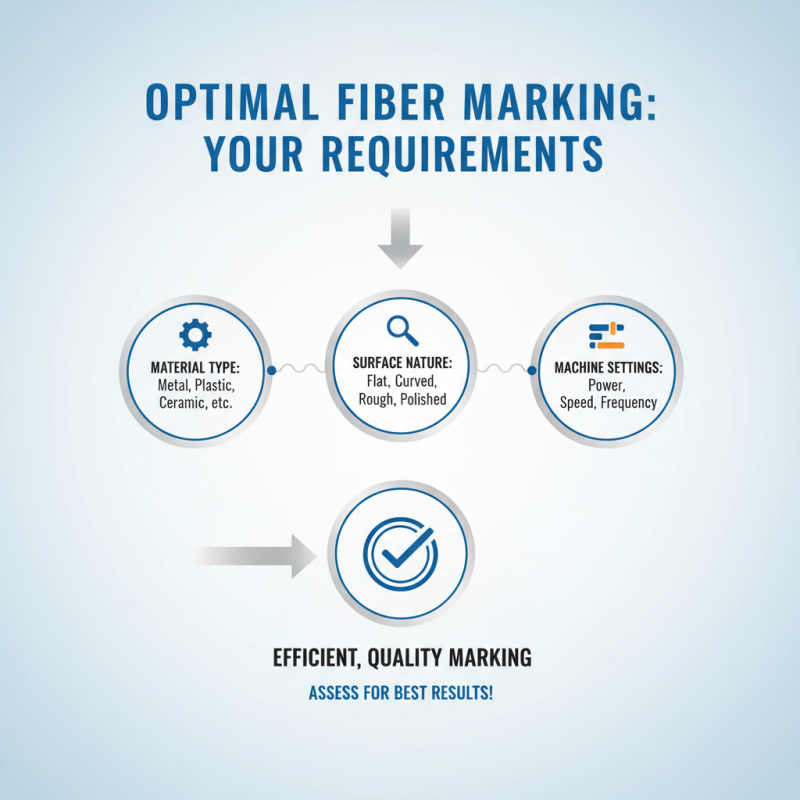
Choosing the right fiber marking machine depends on your specific needs. Assessing these requirements is crucial for efficiency. Different materials require different settings. Understanding the nature of the surface can significantly impact the marking quality.
Consider your production environment. Is it fast-paced? A high-speed marking machine may suit you best. If precision is key, look for features that provide fine detail. Analyze the thickness of the materials. A machine that handles various thicknesses will offer versatility.
Tips: Evaluate if you will be marking large volumes or smaller batches. This can affect your machine choice. Research the machine’s maintenance needs. A reliable machine minimizes downtime and increases productivity. Always check for customer feedback and reviews. Real-user experiences can provide valuable insights.
When selecting a fiber marking machine, the cost versus performance analysis is crucial. A lower price might seem attractive, but it can lead to unexpected costs later. Cheaper machines often compromise on quality, resulting in poor performance. This may require frequent repairs or replacements, which can add up quickly over time.
Evaluating performance is essential. Look for features that optimize engraving speed and precision. High-quality machines typically provide better results and longer lifespans. However, you must also consider your specific needs. A more powerful machine might not be necessary for small projects, while extensive production lines may require robust options. You must find a balance that suits both your budget and operational demands.
It helps to gather insights from users. Online reviews can provide valuable perspectives on reliability and efficiency. Some customers report dissatisfaction with their investments, highlighting the need to research before making a decision. This reflection can guide you toward a model that truly meets your requirements without compromising on quality.
This chart illustrates the performance metrics of various fiber marking machines in relation to their cost. The data reflects performance scores based on speed, precision, and durability.
When choosing a fiber marking machine, maintenance and support are crucial factors.
Regular upkeep ensures the longevity of the machine. Simple tasks, like cleaning lenses and checking alignment, can prevent major issues and keep your machine performing well.
Without proper maintenance, you risk downtime and unexpected repairs.
Consider the availability of technical support. A knowledgeable support team can guide you through troubleshooting.
They can provide quick solutions when problems arise. Evaluate if they offer remote assistance or on-site service.
These options can make a significant difference in how efficiently you can address issues.
Training resources are another important aspect. Look for machines that come with comprehensive user manuals and online tutorials.
If staff cannot operate the machine effectively, it may lead to inefficiencies. Reflect on how well your team understands the machine and its maintenance needs.
Investing in the right support options can greatly enhance your overall experience and productivity.