Why Choose a Press Brake at the 2026 Canton Fair?
As we approach the 2026 Canton Fair, the spotlight on advanced manufacturing continues to grow. Among the featured technologies, the Press Brake stands out due to its vital role in metal fabrication. Reports from the International Trade Administration predict a surge in demand for such machinery, emphasizing its importance in modern manufacturing processes.
The Press Brake is essential for achieving precision in bending metal sheets. It allows manufacturers to create intricate designs with high accuracy. However, many companies still struggle with selecting the right press brake according to their specific needs. This gap can lead to inefficient production lines and increased operational costs.
Incorporating AI and smart navigation at the 2026 Canton Fair will aid in showcasing a wide range of suppliers. Buyers can filter potential partners based on quality certifications like ISO and CE. The innovation could simplify decision-making for attendees looking to invest in effective Press Brake solutions. However, the challenge remains: how can businesses ensure they choose the most suitable equipment in such a vast venue? This dilemma highlights the importance of thorough research and expert consultations.
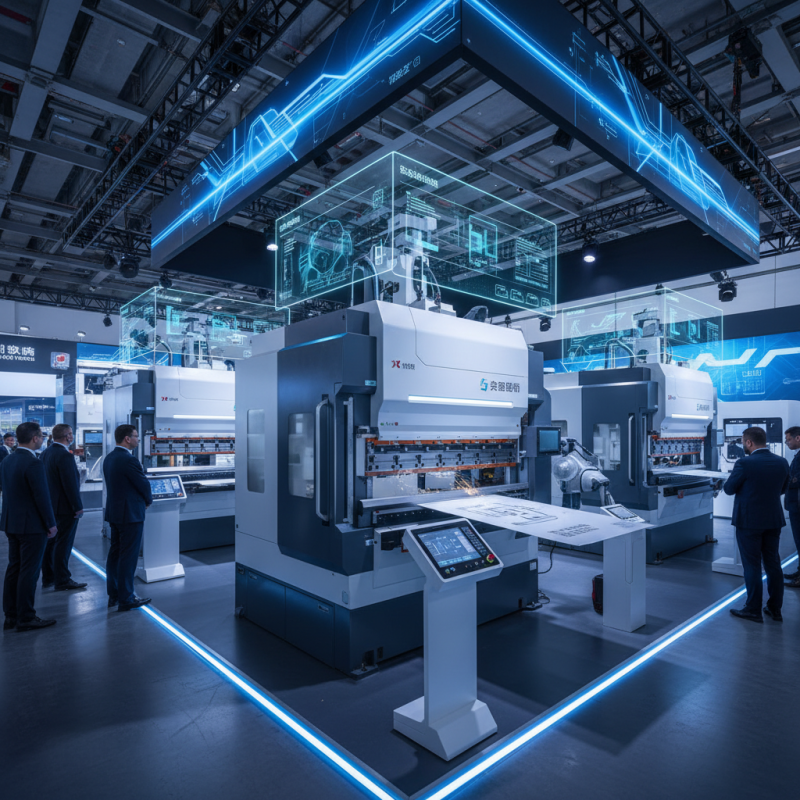
Understanding Press Brakes: Definition and Functionality
A press brake is a vital machine used in metalworking. It bends sheet metal through a controlled process. Understanding its functionality helps manufacturers optimize operations.
Press brakes operate using two primary components: the ram and the die. The ram descends onto a sheet metal piece placed between the die. This action forms the metal into desired shapes. For instance, an L-shape or U-shape can be achieved. This versatility is crucial for various industries.
Choosing a press brake involves more than just features. Consider factors like capacity and precision. A machine’s limitations might not fit all tasks. Reflecting on the needs can lead to better decisions. Investing in quality equipment pays off over time, but beginners often overlook this. Balancing cost and functionality is not easy.
Press Brake Adoption Trends (2020-2025)
The chart above illustrates the trend of press brake units sold from 2020 to 2025, showcasing a steady increase in demand as more industries recognize the efficiency and precision that press brakes offer in manufacturing processes.
The Benefits of Using Press Brakes in Manufacturing Industries
The manufacturing sector constantly seeks efficiency and precision. Press brakes are vital tools in this pursuit. They provide accurate bending of metal sheets, essential for various applications. According to a recent industry report, press brakes enhance productivity by up to 30%. This efficiency is crucial as global manufacturing demands rise.
Another benefit is versatility. Press brakes can handle different materials, including aluminum, steel, and more. This adaptability allows manufacturers to remain competitive. However, selecting the right press brake is not always straightforward. Businesses must consider load capacities and bending angles carefully. A mismatch can lead to production delays or increased costs.
Despite their advantages, training is often overlooked. Operators need to understand the machine's capabilities fully. Insufficient training can result in errors during bending processes. A study indicated that 25% of issues arise from operator mistakes. This highlights the importance of investing in education and proper machine handling. Implementing comprehensive training can significantly reduce these errors and maximize the benefits of press brakes.
Key Features to Look for When Choosing a Press Brake
When considering a press brake for your manufacturing needs, key features are paramount. A reliable press brake should have adjustable tonnage. This allows you to customize force according to material thickness. The optimal tonnage is crucial, as too much pressure can damage materials. Reports indicate that improper settings lead to up to 20% waste in production.
The precision of positioning is another vital aspect. A good press brake should offer high accuracy, ideally within ±0.01 mm. This precision minimizes errors in bending processes. Manufacturers that improve accuracy can increase efficiency by up to 30%, as stated in several industry analyses. Furthermore, ease of operation plays a significant role. Intuitive controls and user-friendly interfaces can reduce training time. Some facilities struggle with complex systems, leading to operational delays.
Another factor to consider is the availability of safety features. Modern designs should incorporate safety mechanisms to prevent accidents. A survey found that 15% of press brake incidents result from inadequate safety measures. Investing in equipment with solid safety features is not just a regulatory need; it’s essential for worker protection. Make sure to analyze these elements thoughtfully. Finding the right balance can avoid costly missteps in your production line.
Why the Canton Fair is a Prime Venue for Press Brake Innovations
The Canton Fair serves as a dynamic stage for pressing innovations, particularly in the realm of press brakes. As one of the largest trade events globally, it showcases cutting-edge machinery and technology. Industry reports indicate that the market for press brakes is projected to grow by 5.3% annually, reaching $4.6 billion by 2026. This growth aligns with the Fair's focus on advanced manufacturing solutions. Attendees can expect to see the latest features in automation and precision, which are driving efficiency.
Visitors often express concern over the complexity of new technologies, which can deter potential investments. However, the Fair provides hands-on demonstrations and expert consultations. According to a recent survey, 78% of participants found interactive displays crucial in understanding new functionalities. This feedback highlights the need for direct engagement in technology adoption.
Moreover, networking opportunities abound at the Canton Fair. Nearly 65% of attendees reported establishing valuable connections that led to collaborations. However, not all interactions yield immediate results. Many participants must navigate language barriers and cultural differences. These challenges remind us that the benefits of innovation come with obstacles. Overall, the Canton Fair remains a pivotal platform for fostering educational dialogue in the press brake sector.
Networking Opportunities and Insights at the 2026 Canton Fair
At the 2026 Canton Fair, the networking opportunities are vast. Attendees from various industries gather to share insights and experiences. This event attracts professionals seeking to connect and collaborate. Meeting potential partners can significantly impact your business. You’ll find plenty of chances to engage in discussions that may lead to future projects.
Tips: Prepare your elevator pitch. Keep it short and impactful. A well-rehearsed introduction opens doors.
During the fair, explore workshops and panel discussions. These sessions offer knowledge from industry leaders. They provide valuable information on trends and challenges. However, don't hesitate to ask questions. Engaging with speakers can spark meaningful conversations.
Tips: Bring business cards to share. Follow up with new contacts after the event. Personal connections can lead to opportunities.
Navigating the fair may feel overwhelming. With crowds and many exhibits, it’s easy to lose focus. Prioritize which booths or sessions matter most to you. Mapping out your plan can help. Consider making notes on key takeaways. Reflection can enhance your learning experience.