How to Choose the Right Metallurgical Bridge Crane in 2026?
Choosing the right Metallurgical Bridge Crane in 2026 involves careful consideration. John Smith, an expert in the crane industry, once stated, “Selecting the right crane can make all the difference in safety and efficiency.” This reflects the importance of understanding what features matter most.
Metallurgical Bridge Cranes serve critical roles in metal handling and processing. Their design must accommodate heavy loads with precision. Factors such as lifting capacity, span, and speed all influence performance. Each detail matters in a high-stakes environment. These cranes face unique challenges, from extreme heat to corrosive materials.
It's easy to overlook certain aspects when making a choice. Many users might focus solely on price or brand name. However, considering the specific operational needs is vital. Reassessing preferences can often reveal better options. Ultimately, investing time in research ensures a safer and more efficient workplace.
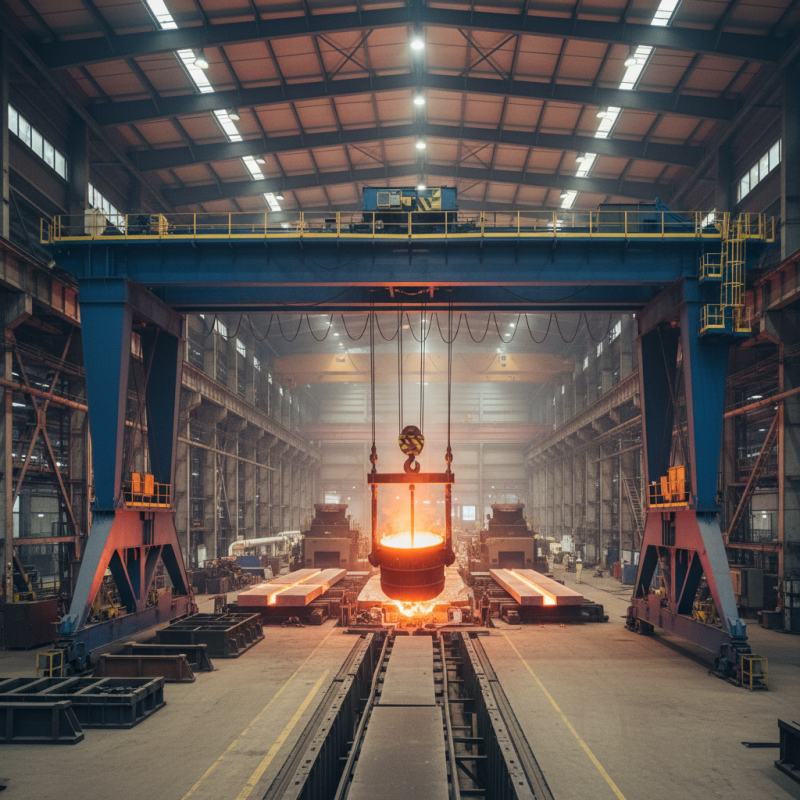
Understanding Metallurgical Bridge Cranes: A Comprehensive Overview
Metallurgical bridge cranes are crucial in the metal processing industry. They handle heavy loads with precision and safety. Understanding their components is essential for making informed decisions.
These cranes typically feature a robust structure. The trolley and hoist system can lift significant weights. However, choosing the right crane involves more than just specifications. It requires assessing your specific operational needs. Improper selection can lead to inefficiencies and safety hazards.
Moreover, maintenance should not be overlooked. Regular inspections are vital to ensure safety. Yet, many overlook this step. Investing in training for operators ensures they understand the crane’s capabilities and limitations. This knowledge can prevent accidents.
Being aware of these details can lead to better choices and more efficient operations.
Key Specifications to Consider When Selecting a Metallurgical Bridge Crane
When selecting a metallurgical bridge crane in 2026, key specifications should guide your choice. First, consider the lifting capacity. This is crucial for handling heavy loads, typically ranging from 10 to 100 tons. Assess the maximum load you anticipate to lift. This number should exceed your heaviest potential load for safety.
Another important specification is span length. This affects how much area the crane can cover. A larger span allows for increased flexibility but requires more space. Examine your facility layout to ensure compatibility. The height of lift is also significant. Crane designs vary, so check the vertical reach meets your operational needs.
Precision and control are essential for metallurgical processes. Look for options that provide smooth motion and easy maneuverability. Safety features cannot be overlooked. Emergency stop buttons, overload protection, and brake systems need thorough evaluation. Lastly, consider energy efficiency. It can impact long-term costs and sustainability, influencing your decision. Reflect on your requirements carefully; the right crane greatly affects productivity and safety.
How to Choose the Right Metallurgical Bridge Crane in 2026? - Key Specifications to Consider When Selecting a Metallurgical Bridge Crane
| Specification | Description | Importance |
| Load Capacity | The maximum weight the crane can safely lift. | Critical for operational safety and efficiency. |
| Span Length | The distance between the supports of the crane. | Influences the reach and coverage of the crane. |
| Lift Height | The maximum height the crane can lift the load. | Essential for maneuvering loads in high environments. |
| Operational Speed | Speed at which the crane operates during lifting and traveling. | Affects productivity and cycle times. |
| Control System | The mechanism used to operate the crane (manual/electric). | Important for user safety and ease of operation. |
| Material Construction | The type of materials used in the crane construction. | Affects durability and maintenance requirements. |
| Safety Features | Includes emergency stop, overload protection, etc. | Critical for ensuring operator and site safety. |
| Power Supply | The type of energy source for the crane operations. | Essential for operational efficiency and compatibility. |
The Role of Load Capacity and Safety Standards in Crane Selection
When selecting a metallurgical bridge crane in 2026, load capacity is crucial. The crane must handle specific weights safely. Reports indicate that cranes often operate at 70-80% of their maximum capacity. Overloading can lead to failures. The weight of materials fluctuates, making accurate assessments vital.
Safety standards are another core aspect. Regulations often change, aiming to improve worker safety. For instance, OSHA updates guidelines regularly. Compliance with these standards is non-negotiable. Cranes need to meet rigorous safety benchmarks. A recent industry report highlighted that nearly 30% of operational accidents stem from equipment failures. These statistics cannot be ignored.
Choosing the right crane is not just about specifications. Consider training for operators. A skilled operator can make the difference. Yet, even experienced workers can misjudge loads. Regular safety audits are essential. They help in identifying potential risks. The market has solutions, but reliance on technology alone isn’t enough. Reflection on past incidents can guide future choices.
Future Trends in Metallurgical Bridge Crane Technology for 2026
The landscape of metallurgical bridge cranes in 2026 is poised for significant transformation. As industries evolve, so too do the technologies that support them. Innovations in materials are leading to lighter, stronger cranes. Advanced automation will play a crucial role in enhancing operational efficiency. Smart sensors will monitor loads and optimize movements. This will reduce wear and tear, extending the lifespan of equipment.
Sustainability stands out as a core theme. Energy-efficient designs are critical in minimizing environmental impact. Manufacturers are exploring renewable energy options for powering cranes. Safety features are also advancing. Predictive maintenance technology will help prevent accidents before they occur. However, companies must remain vigilant about integrating these technologies effectively.
The user experience is becoming central to crane design. Intuitive control interfaces will make operations smoother. Yet, as with any tech advancements, there are challenges. Workers need adequate training to adapt to new systems. Over-reliance on technology could lead to skills erosion. Balancing innovation with practicality will be essential for successful implementation in 2026.
Evaluating Manufacturer Reputation and Post-Purchase Support in Crane Buying
When selecting a metallurgical bridge crane, manufacturer reputation matters greatly. A reliable manufacturer often maintains high-quality standards. Research indicated that 70% of buyers prioritize reputation over price when investing in cranes. Buyers often face overwhelming choices, making reputation a crucial factor.
Post-purchase support is equally essential. Many clients report issues with crane performance within the first year. A study showed that 65% of customers who received strong post-purchase support were more satisfied. This highlights the importance of after-sales service and maintenance availability. A solid support system can significantly reduce downtime.
Budget constraints can lead to hasty decisions. Opting for a cheaper option might seem tempting. However, without adequate support, costs can rise rapidly due to repairs. Seek feedback from existing customers to gauge their experiences. Trustworthy manufacturers usually provide detailed case studies and testimonials. Engaging with the community can provide valuable insights into product longevity and support effectiveness.
Evaluation of Key Factors in Choosing Metallurgical Bridge Cranes in 2026