How to Choose the Best Plastic Injection Mold for Your Needs?
Choosing the right Plastic Injection Mold can be a daunting task. The industry offers numerous options, each tailored to specific needs. As John Smith, a respected expert in plastic injection molding, once said, “A mold is an investment in quality and precision.” This emphasizes the importance of making the correct choice.
Consider the complexity of your design. Intricate shapes may require advanced molding techniques. Simpler designs can often get by with basic molds. The right plastic injection mold can enhance production efficiency and reduce costs. Each decision can impact the final product's performance.
It's essential to evaluate your project's requirements. Understand the materials you will use. Some molds work best with specific plastics. Reflect on your production volume. High volumes may justify higher upfront costs for quality molds. Balancing these factors can lead to a successful outcome. Therefore, choosing a plastic injection mold is not just about selecting a product; it's about investing in a process.
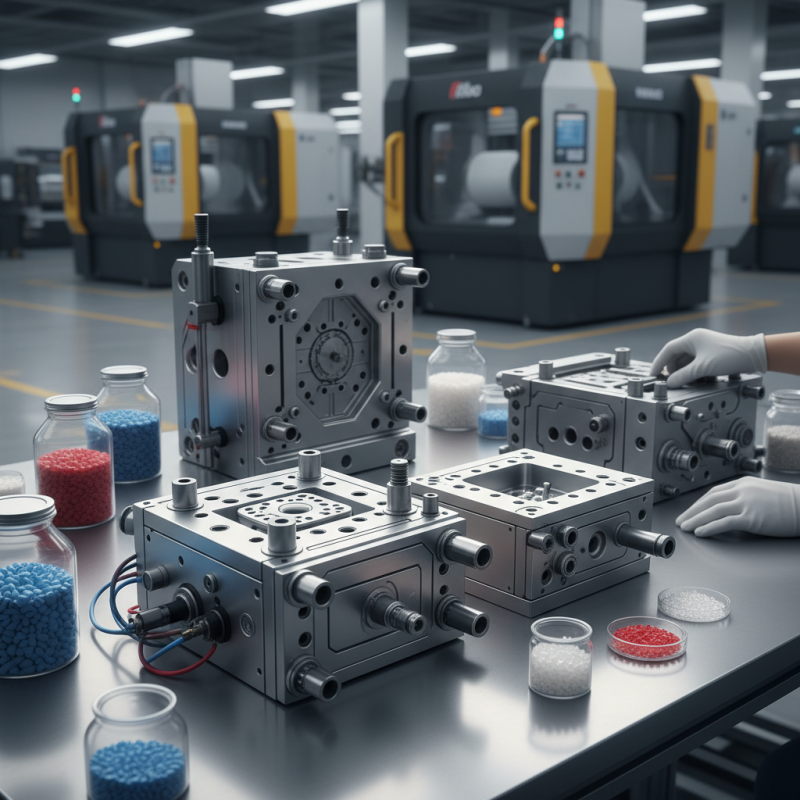
Understanding Basic Principles of Plastic Injection Molding Technology
Understanding the basic principles of plastic injection molding technology is essential. This process involves injecting molten plastic into a mold to create specific shapes. The choice of mold affects both quality and production efficiency. Even small defects in the mold can result in poor product quality.
There are several key factors to consider when selecting a mold. Material is paramount. Different plastics require various types of molds. Cooling systems also play a significant role in cycle times. A poorly designed cooling system can lead to longer production times and higher costs.
**Tips**: Always evaluate your material requirements. Check the compatibility of plastic types with mold materials. Secondly, consider the mold's design complexity. Complex designs may increase costs and lead to potential defects. Maintain a clear communication line with your mold maker. This reduces misunderstandings and improves the final product.
Key Factors Influencing the Selection of Injection Molds
Choosing the right plastic injection mold is crucial for product quality and production efficiency. Several key factors influence this selection process. Material type is one of the most significant. Common materials like ABS and polycarbonate have different melting points and cooling times. For example, ABS has a lower melting point and is easier to mold, while polycarbonate requires precise temperature control. Understanding these properties can improve production reliability.
Another factor is mold complexity. Simple molds can be cost-effective and faster to produce. However, complex designs allow for intricate details that enhance product functionality. According to industry reports, nearly 40% of companies struggle with balancing mold complexity and cost. Additionally, cycle time must be considered. Shorter cycle times lead to increased production rates. Yet, achieving this often requires sophisticated equipment, which can be expensive.
Finally, consider the mold's durability. A high-quality mold can endure thousands of cycles. Low-quality molds, on the other hand, may wear out quickly. Reports suggest that about 30% of manufacturers face issues due to mold failure. This can lead to unplanned downtime. The importance of selecting a reliable mold cannot be overstated. Thoughtful evaluation of these factors may prevent costly mistakes.
How to Choose the Best Plastic Injection Mold for Your Needs? - Key Factors Influencing the Selection of Injection Molds
| Factor | Description | Importance Level |
| Material Type | Selecting the right material for the injection mold, such as steel or aluminum, affects durability and cost. | High |
| Complexity of Design | More complex designs may require advanced tooling and increased costs. | Medium |
| Production Volume | Higher production volumes can justify the higher initial cost of more durable molds. | High |
| Lead Time | The time taken to design and manufacture the mold can impact your product launch schedule. | Medium |
| Cost | Budget constraints will guide decisions on mold type and material choice. | High |
| Maintenance Requirements | Consideration of mold upkeep to ensure longevity and consistent production quality. | Medium |
Evaluating Material Compatibility for Optimal Mold Performance
When choosing a plastic injection mold, material compatibility is crucial. Various plastics have different properties. They react uniquely to heat and pressure. For example, thermoplastics soften when heated and harden upon cooling. This behavior influences mold design. Knowing the specific plastic you will use is vital to ensure the mold performs optimally.
Incompatible materials can lead to defects. Warping, shrinkage, or even total failure can occur. It is essential to consider the melting temperature and the thermal expansion rate. Material stiffness also matters. Some materials may require robust molds, while others need flexibility. Testing with sample materials can uncover unexpected challenges. Sometimes, one might overlook the environmental factors affecting the material.
Mold design should reflect the material's characteristics. Cooling channels might need adjustments. Surface finish can also vary based on the plastic used. A mismatch can lead to an imperfect product. Reflecting on these aspects can help improve mold design and functionality. Choosing the right material is not just about compatibility; it is an ongoing process that requires attention and adaptation.
Assessing Cost-Effectiveness in Mold Manufacturing and Maintenance
When evaluating the cost-effectiveness of plastic injection molds, it’s crucial to consider both upfront costs and long-term maintenance expenses. Quality molds can be pricey initially, yet they often deliver better performance and longevity. Selecting lower-cost options may seem wise at first. However, poor quality often results in frequent replacements. This can lead to increased production delays and higher overall costs.
Maintenance is another critical factor. Regular upkeep can extend the lifespan of your mold significantly. Neglecting maintenance might save money initially, but it often leads to more significant issues later. You might end up spending more on repairs.
Additionally, consider the mold design complexity. Simplistic designs may reduce costs but could hinder performance. Balancing design complexity and material quality can yield better results in the long run.
It's valuable to reflect on past choices in mold selection. Mistakes can teach important lessons. If a mold fails prematurely, it’s essential to analyze why. Was the material unsuitable? Was the manufacturing process flawed? Such reflections can guide future decisions and ultimately improve cost-effectiveness.
Exploring Advanced Features to Enhance Mold Functionality and Longevity
Choosing the right plastic injection mold is critical for production success. Advanced features can greatly enhance mold functionality and longevity. For instance, incorporating advanced cooling systems can reduce cycle times by 20-30%, according to industry reports. Efficient cooling mechanisms ensure uniform temperatures, minimizing warping and defects.
Another factor is the use of durable materials for mold construction. Steel molds, for example, can last significantly longer than lower-quality options. However, this comes at a higher upfront cost. It's essential to evaluate long-term production needs versus initial investments. A well-designed mold can reduce maintenance costs by up to 40%.
**Tip:** Always assess the specific production environment. High-volume settings may demand sturdier molds. In contrast, low-volume production might benefit from cost-effective solutions.
Moreover, consider modular mold designs. They offer flexibility in part design changes without requiring a complete rebuild. However, this versatility may complicate initial setup. Balancing ease of use with advanced features can be challenging. Reflecting on these aspects will lead to more informed decisions in mold selection.