How to Choose the Right Conveyor Belt Rollers for Your Needs?
Choosing the right conveyor belt rollers can greatly impact your operational efficiency. Industry expert John Smith, a respected figure at Conveyor Solutions, once said, "The right rollers can make or break your system." This highlights the importance of understanding your specific needs when selecting conveyor belt rollers.
Different applications require different types of rollers. For instance, some environments demand heavy-duty rollers to bear significant loads. Others may need lightweight, flexible rollers for more delicate items. Mistakes in choosing the appropriate rollers can lead to inefficiencies. Equipment wear, increased downtime, and costly repairs often stem from poor choices.
It's crucial to evaluate factors like the load capacity, roller material, and operational environment. Regular assessments can help you refine your choices. Remember, making informed decisions requires ongoing reflection and might not always yield perfect outcomes. The journey to finding the ideal conveyor belt rollers is often filled with trial and error.
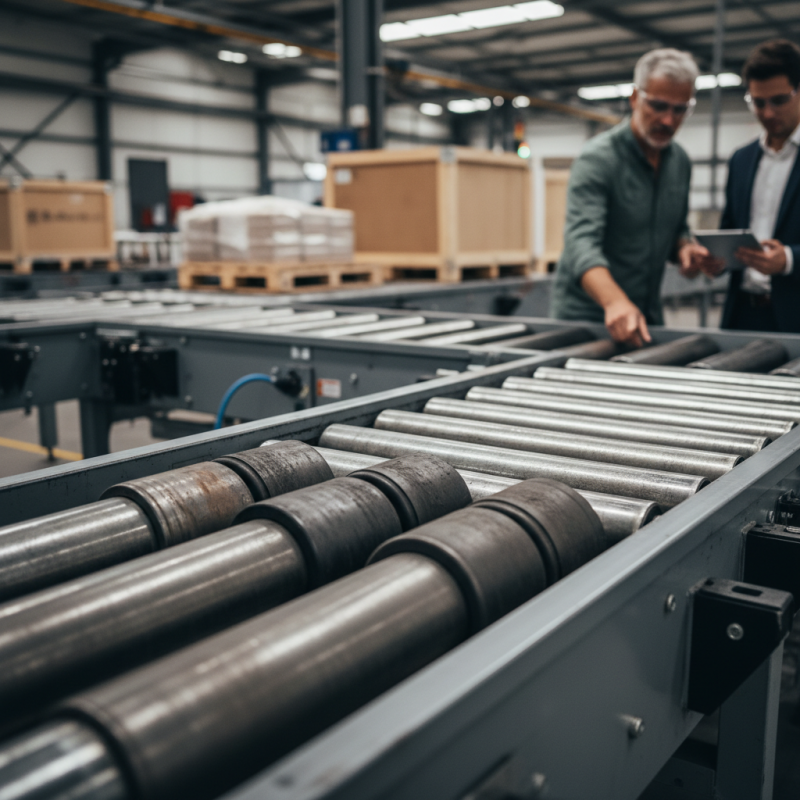
Understanding Conveyor Belt Roller Types: A Comprehensive Overview
When selecting conveyor belt rollers, it's essential to understand the different types available. Each type serves a unique function, tailored for specific environments. There are tapered rollers, for example, which are ideal for guiding belts at curves. They help maintain alignment and minimize wear. Flat rollers, on the other hand, are great for straight paths. They support the belt uniformly, ensuring smooth operation.
Consider the material of the rollers too. Steel offers durability, while plastic may be suitable for lighter loads. Environmental factors matter as well. Humidity or temperature can affect roller performance. Tips: Always assess your specific needs before making a choice. Think about the weight and type of materials your conveyor will handle.
It's easy to overlook maintenance needs, yet roller longevity hinges on it. Regular checks prevent unexpected breakdowns. Sometimes, workers may neglect smaller issues that grow over time. They may assume they can be fixed later, but this can lead to costly downtime. Tips: Create a routine inspection schedule. It helps catch problems before they escalate.
Key Factors for Selecting Conveyor Belt Rollers Based on Load Capacity
When selecting conveyor belt rollers, load capacity is essential. The right roller can enhance efficiency and reduce maintenance costs. According to industry reports, approximately 30% of conveyor failures are related to incorrect roller selection. Overloading can cause premature wear, leading to downtime.
The load capacity of rollers varies based on material and design. Standard steel rollers can typically handle weights between 600 to 1,000 pounds. However, specialized rollers are necessary for heavier loads. For instance, larger systems often require heavy-duty rollers that may support upwards of 2,500 pounds. This choice directly impacts operational productivity and sustainability.
It's vital to assess the anticipated load for your application. Many industries overlook this aspect, resulting in ineffective systems. Some users might choose rollers based solely on price, ignoring the long-term implications. Inadequate load capacity leads to frequent replacements and longer downtimes. Balancing cost and performance is crucial for an efficient conveyor system.
How to Choose the Right Conveyor Belt Rollers for Your Needs?
This chart illustrates the load capacity ranges for different conveyor belt rollers, helping you to understand which type is suitable based on the load requirements of your application.
The Role of Material Composition in Conveyor Belt Roller Selection
When selecting conveyor belt rollers, the material composition is crucial. Different materials affect durability, weight, and cost. For instance, steel rollers are robust and suitable for heavy loads. However, they can be expensive and may lead to higher energy costs. On the other hand, plastic rollers are lighter and can reduce overall energy consumption by up to 10%, according to industry reports.
The choice of material also impacts maintenance needs. Rubber-coated rollers might provide better grip but can wear out faster. Studies indicate that using the right material can extend roller life by 30% or more. This is vital for operations aiming for efficiency and lower downtime. However, some companies still overlook these factors, leading to premature failures and increased operational costs.
Additionally, environmental conditions play a role. For example, in colder climates, metal rollers may become brittle. Yet, many operators fail to consider temperature effects during selection. It's crucial to assess the specific environment where the conveyor will operate. Neglecting these details can result in unexpected issues. Proper evaluation ensures that the selected roller material aligns with both operational demands and cost-efficiency goals.
How to Choose the Right Conveyor Belt Rollers for Your Needs?
| Material Composition | Key Properties | Typical Applications | Advantages | Disadvantages |
| Steel | High strength, durability | Heavy-duty industrial applications | Excellent load-bearing capacity | Susceptible to rust if not coated |
| Aluminum | Lightweight, corrosion-resistant | Food and beverage handling | Low weight reduces energy consumption | Lower load capacity compared to steel |
| Plastic | Lightweight, chemical resistant | Packaging and light assembly | Non-corrosive and safe for food | May wear out faster under heavy loads |
| Rubber | High friction, flexible | Mining and material handling | Excellent grip on conveyed items | Can degrade under UV and extreme conditions |
Evaluating Roller Diameter and Length for Optimal Conveyor Performance
Selecting the appropriate roller diameter and length is crucial for optimizing conveyor performance. The roller diameter directly impacts load capacity and belt tension. A larger diameter roller can reduce the friction between the belt and the roller, which enhances efficiency. However, if the diameter is too large, it may complicate alignment and increase wear on the belt. Industry reports suggest that rollers with a diameter between 3 to 6 inches are typically used for standard applications, while specialized configurations may vary.
Roller length, on the other hand, affects the load distribution across the belt. Longer rollers often provide a more stable surface, especially when transporting heavy items. Conversely, if the roller is too long, it may sag and lead to misalignment. A comprehensive study published in the International Journal of Material Handling found that adjusting roller lengths can improve system performance by nearly 15% in certain scenarios. Evaluating both dimensions allows for more tailored solutions, but it requires a careful balance. It's critical to account for the materials being transported and the specific working environment.
Maintenance Considerations for Different Conveyor Belt Roller Types
When selecting conveyor belt rollers, maintenance is a key consideration. Different roller types require different care routines. Some rollers may need frequent lubrication to minimize friction. Others could have sealed bearings that require less attention. Regular inspection is crucial for all types. Look for wear and tear, cracks, or rust. These signs indicate the need for replacement or servicing.
In addition, the operating environment plays a significant role. Rollers subjected to harsh conditions will wear out faster. For example, those in dusty areas may need more frequent cleaning. On the other hand, rollers in wet conditions may corrode quickly. It’s important to monitor these factors. Adjust maintenance schedules based on your specific conditions. Some operators overlook this, leading to unexpected breakdowns. A proactive approach saves time and costs in the long run.