How to Choose the Right Hand Retractable Spring Plunger for Your Needs?
Choosing the right Hand Retractable Spring Plunger can be challenging. According to industry expert John Smith, “Selecting the right plunger can significantly enhance functionality and convenience.” His insights guide numerous professionals in making informed choices.
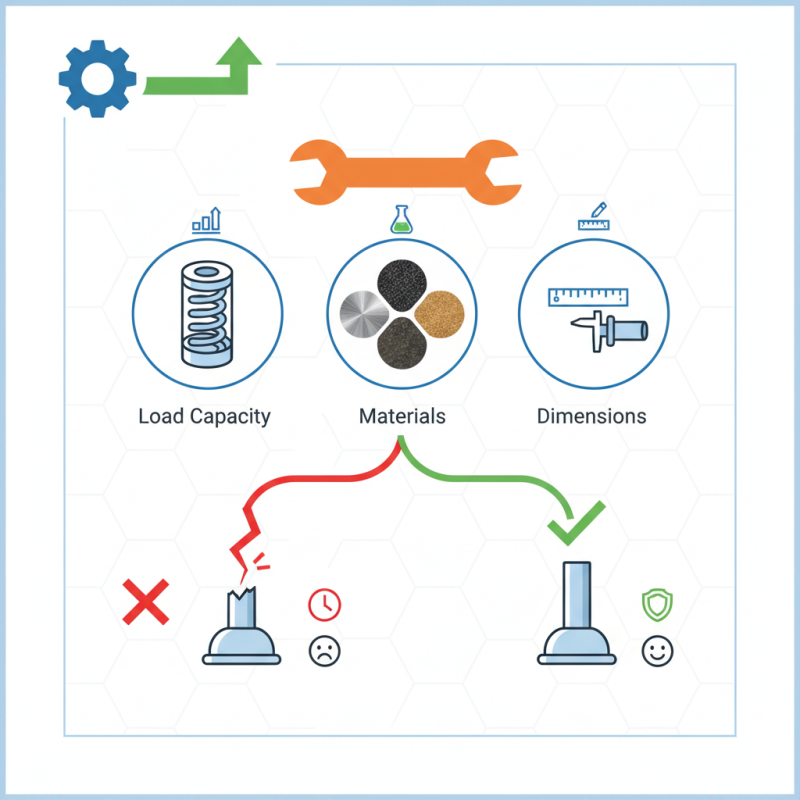
Hand retractable spring plungers are critical in various applications, from machinery to assembly lines. Their design contributes to their effectiveness. However, not every plunger suits every need. Factors like load capacity, materials, and dimensions play vital roles in this decision-making process.
Many users overlook details, leading to issues later. A misfit plunger can cause operational failures, costing time and resources. Reviewing specifications and matching them to your specific requirements is crucial. This careful approach ensures reliability and performance, which ultimately saves money and frustration.
Understanding the Basics of Hand Retractable Spring Plungers
Hand retractable spring plungers are essential components in various applications. They offer quick and efficient locking mechanisms. Understanding their design and functionality helps in selecting the right plunger. A recent industry report states that the global market for spring plungers is expected to grow by 6.3% annually through 2025. This shows the increasing demand for these tools across multiple sectors.
When choosing a hand retractable spring plunger, consider the load capacity. Most plungers are designed to handle specific weights and forces. Typical load ratings can range from 100N to over 1000N. It's important to choose a plunger that matches your application needs. Additionally, look at the materials used. Stainless steel and plastic are common, each providing unique advantages and limitations.
Proper installation and maintenance are crucial for optimal performance. Some users neglect routine checks, which can lead to malfunction. Regular inspection ensures safety and longevity. A well-chosen plunger can enhance operational efficiency. However, ongoing assessment is necessary. This approach fosters a better understanding of how plungers function in real-world scenarios.
Key Specifications to Consider for Spring Plunger Selection
Choosing the right hand retractable spring plunger involves careful consideration of several key specifications. First, understand the plunger's size. It matters for proper fit and functionality. Measure the diameter and stroke length for compatibility with your project requirements. An oversized plunger can create issues, while a too-small one might not hold securely.
Next, consider the material. Spring plungers are typically made from stainless steel or plastic. Stainless steel offers strength and corrosion resistance. Plastic options are lightweight but may not endure heavy-duty applications. Analyze your environment before making a choice. Will moisture be a factor? What weight will the plunger support? Addressing these questions can guide you to the right selection.
Spring force is another critical specification. It determines how firmly the plunger holds and releases a mechanism. A higher force suits applications needing a more secure fit. Lower force is easier to actuate but may not provide enough holding strength. While these specifications guide your choice, don't overlook your specific application needs. Sometimes, an overlooked detail can cause functionality issues later on.
Spring Plunger Specification Comparison
Material Choices: Impact on Durability and Functionality
Choosing the right hand retractable spring plunger often hinges on material selection. The material chosen can drastically influence the durability and functionality of the plunger. For instance, stainless steel is commonly utilized due to its corrosion resistance and strength. A report from the American Society of Mechanical Engineers (ASME) highlights that stainless steel components can last up to 50% longer in harsher environments compared to plastic alternatives.
Plastic plungers might seem appealing for lightweight applications. However, they lack the robustness of metal counterparts. A study by the American Plastics Council indicates that while plastic can be adequate for low-stress environments, it is prone to warping and degradation over time. This can lead to malfunction in critical applications. Users should evaluate the operational environment before deciding.
Another factor to consider is the cost vs. longevity trade-off. While some might opt for cheaper materials, this could result in frequent replacements. A report from the Industrial Supply Association reveals that organizations waste approximately 20% of their budgets on premature equipment failures due to inadequate material choices. Reflecting on these aspects could provide valuable insights for making informed decisions.
Load Capacity and Stroke Length: Matching Your Application Needs
When selecting a hand retractable spring plunger, understanding load capacity and stroke length is crucial. Load capacity refers to the amount of force the plunger can handle without failure. It directly correlates with the intended application. For example, heavy machinery requires a higher load capacity. In contrast, light-duty applications can function well with a lower rating.
Stroke length is another essential factor. This measurement indicates how far the plunger can retract and extend. For applications needing quick adjustments, a shorter stroke length is often sufficient. However, tasks that require more movement demand longer strokes.
Selecting the right plunger involves balancing these two aspects. An inadequate load capacity can lead to failure, impacting your entire operation. An overly long stroke can waste space and complicate setup. It's key to assess your specific needs accurately. Reflect on the environment where you will use the plunger. Do not overlook these details; they could make or break your project.
Industry Standards and Certifications for Quality Assurance
When selecting a hand retractable spring plunger, understanding industry standards is crucial. Quality assurance relies on adherence to specific guidelines. These standards help ensure that the plunger performs reliably in various applications. Look for certifications that guarantee the manufacturing process and materials used meet recognized benchmarks. This adds a layer of trustworthiness to your choice.
Different industries may have unique requirements. Aerospace, automotive, and manufacturing sectors often demand higher-quality components. Compliance with industry standards is not just about performance; it's also about safety. A plunger that fails can lead to significant issues. Therefore, researching certifications relevant to your field can enhance your confidence in the product.
Beware of products that lack proper documentation. Some suppliers may offer spring plungers without certifications. This absence can be a red flag. It often indicates lower quality or non-compliance with safety standards. Evaluate options carefully. Read reviews, seek recommendations, and consult experts in the field. This diligence may seem tedious but can prevent costly mistakes down the line.
How to Choose the Right Hand Retractable Spring Plunger for Your Needs? - Industry Standards and Certifications for Quality Assurance
| Dimensions (mm) | Load Capacity (N) | Material | Certification | Standard Compliance |
| 10 x 20 | 200 | Stainless Steel | ISO 9001 | RoHS |
| 12 x 25 | 300 | Aluminum | CE | ISO 14001 |
| 15 x 30 | 400 | Steel | UL | AS ISO 9001 |
| 18 x 35 | 500 | Brass | FDA | ISO 45001 |
| 20 x 40 | 600 | Plastic | SGS | OSSCA |