How to Choose the Right Heavy Duty Slurry Pump for Your Needs?
Choosing the right heavy duty slurry pump can be challenging. With so many options available, it's easy to feel overwhelmed. A heavy duty slurry pump is vital for various industries, including mining and construction. It must efficiently handle slurries with high solid content.
When selecting a pump, consider its performance. Think about the flow rate and the density of the material being pumped. Not all pumps can handle thick slurries. Additionally, durability is a key factor. A pump made from high-quality materials lasts longer, even in harsh conditions.
Don't forget to evaluate energy efficiency. An inefficient pump can lead to high operational costs. It's crucial to balance power with performance. Sometimes, a smaller, high-quality pump performs better than a larger, less efficient model. Reflecting on these factors will help you make an informed choice. Selecting the right heavy duty slurry pump is not just about size or price; it's about finding the best fit for your specific needs.
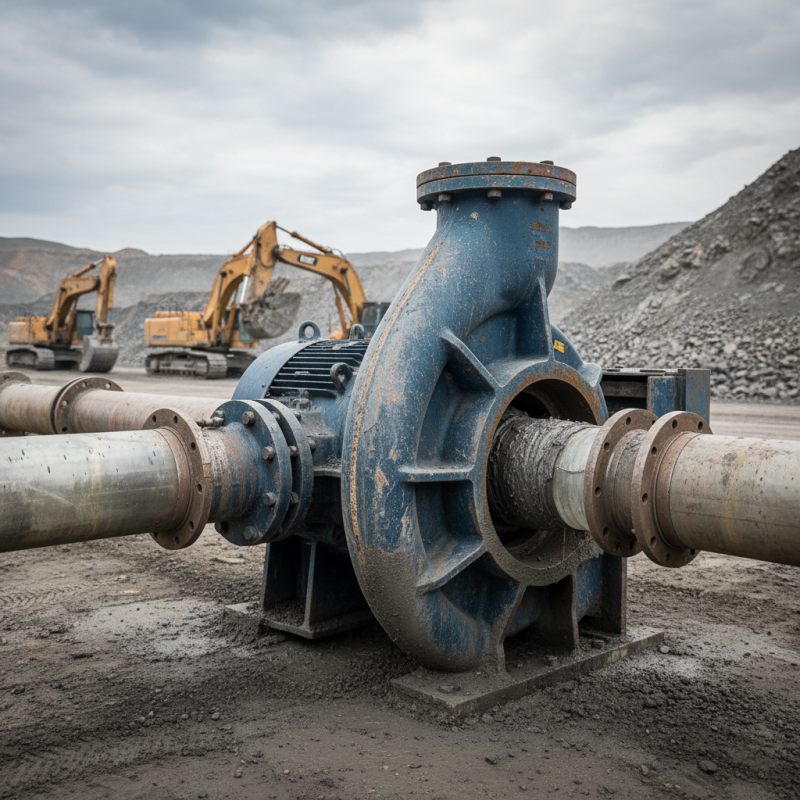
Understanding Different Types of Heavy Duty Slurry Pumps Available
When selecting a heavy-duty slurry pump, understanding the different types available is crucial. Slurry pumps can vary significantly. There are Centrifugal slurry pumps, positive displacement pumps, and submersible pumps. Each type serves unique purposes depending on the slurry's properties, like viscosity and particle size.
Centrifugal pumps are commonly used for water with suspended solids. They excel in efficiency. However, they may struggle with thick slurries. Positive displacement pumps, on the other hand, can handle higher viscosity materials well. They deliver consistent flow but can be more challenging to maintain. Submersible pumps are optimal for submerged applications, yet their installation can be complex.
Industry reports indicate that the global slurry pump market was valued at approximately $4 billion in 2022, with a projected growth rate of 5% annually. However, choosing the wrong type can lead to inefficiencies or even pump failure.
Pump longevity may decrease if the selected model does not suit the application. Consider your specific needs carefully before making a decision. Understand that not all pumps perform well under every condition. Accurate assessment is essential for optimal performance.
Assessing Your Specific Pumping Requirements and Applications
When selecting a heavy duty slurry pump, understanding your specific pumping requirements is essential. Think about the type of material you will pump. Will it be abrasive? Is it corrosive? The viscosity of the slurry also matters. Some slurries are thick and require more power to move. Others are thin and flow easily. Consider the solids content as well. Higher solids can affect pump performance.
Next, evaluate the operating conditions. What is the temperature? What is the pressure range? These factors influence your pump choice significantly. Take time to assess the installation space too. Some areas may have limited access, making maintenance challenging. A pump that is difficult to service may lead to costly downtimes.
Do not forget about the overall efficiency. Selecting a pump that matches your needs can save energy and reduce wear. However, some users may underestimate the importance of proper sizing. An oversized pump can lead to inefficiencies. An undersized pump may fail to deliver. It’s a balance that needs careful consideration. Reflecting on these factors will guide you toward the right choice.
Evaluating Key Performance Metrics for Slurry Pumps
When selecting a heavy-duty slurry pump, understanding key performance metrics is essential. These metrics indicate how well the pump will perform in various applications. Flow rate is a crucial factor; it determines the volume of slurry the pump can handle per minute. A higher flow rate allows for increased efficiency in transporting materials.
Another important metric is the pump's head, which measures the height to which the pump can raise the slurry. If the head isn't sufficient for your project, the pump may fail to perform as needed. Additionally, consider the pump's material construction. Strong materials resist wear and corrosion from abrasive slurries. This aspect often requires reflection on your specific application requirements.
It's also vital to evaluate the pump's energy consumption. A more powerful pump may not always be the best choice for energy efficiency. Sometimes, a balance between power and cost-efficiency must be struck. Don't overlook maintenance needs, either. A pump that is hard to upkeep can lead to unexpected downtime. Each of these performance metrics presents its own challenges and opportunities for reflection and improvement.
Selecting Materials and Construction for Durability and Efficiency
Selecting the right materials and construction for heavy-duty slurry pumps is crucial for achieving both durability and efficiency. The construction materials largely determine a pump's ability to resist wear caused by abrasive and corrosive slurries. According to a report by the International Slurry Pump Association, nearly 70% of pump failures in heavy-duty applications are due to wear on components. This statistic highlights the significance of material selection in extending the lifecycle of these pumps.
Different materials offer varying degrees of resistance. For instance, high-chrome alloys are often preferred for their strength against abrasive particles. Rubber linings can be effective for handling corrosive slurries but may not withstand heavy abrasion. Understanding the specific requirements of your application is vital. A recent industry study showed that using the wrong material could lead to a 30% increase in operational costs due to pump replacements and maintenance.
Construction techniques also play a role in durability. For example, tight tolerances can enhance pump efficiency, reducing energy consumption. However, achieving these tolerances can be challenging. It may require more precision during manufacturing. The industry's move towards more advanced materials and engineering practices can improve pump life. Still, it's essential to constantly review and adapt based on real-world performance data to avoid unnecessary failures.
How to Choose the Right Heavy Duty Slurry Pump for Your Needs?
| Pump Type | Material | Maximum Flow Rate (m³/h) | Maximum Head (m) | Efficiency (%) | Operating Temperature (°C) |
| Centrifugal Slurry Pump | Cast Iron | 100 | 30 | 85 | 80 |
| Submersible Slurry Pump | Stainless Steel | 150 | 25 | 90 | 60 |
| Diaphragm Pump | Polyurethane | 80 | 20 | 75 | 90 |
| Vertical Slurry Pump | Rubber | 120 | 40 | 80 | 70 |
Analyzing Maintenance Needs and Support Options for Your Pump
Maintaining a heavy-duty slurry pump often requires a keen understanding of both the pump's needs and the support options available. Many users underestimate the frequency of maintenance necessary for optimal performance. According to industry reports, pumps in abrasive environments need servicing every 300 operating hours. This highlights the importance of planning for downtime.
Tips: Schedule regular inspections every month. Keep an eye on wear parts. Early detection can save costs over time.
Consider the type of support you require. Some companies offer 24/7 service, while others may respond during business hours only. Evaluate your operational hours. If your pump runs continuously, immediate support can be crucial. Reports show that facilities with quick response teams experience 30% less downtime.
Tips: Document all service records. This can help identify recurring issues. Analyzing data can lead to improved reliability.
Don't overlook user training. Operators should know the basic maintenance steps and when to escalate issues. A well-informed team can significantly extend the life of a slurry pump. Empowering your staff leads to better teamwork and understanding of the equipment's needs.
Comparison of Maintenance Needs for Different Heavy Duty Slurry Pumps