
Choosing the best Lories Truck for global operations requires more than comparing prices and engine sizes. Buyers must examine payload, road conditions, service access, fuel use, driver comfort, and expected working hours. A truck crossing humid ports, dry highways, or steep mountain routes needs carefully matched equipment.
Fleet consultant Mike Antich offers a useful reminder: “The best vehicle is the one that fits the mission.” This principle matters when selecting a Lories Truck for export, construction, distribution, or long-distance freight. A high-output engine may look attractive, yet it can create unnecessary fuel costs on lighter routes. A smaller model may save money, but weak suspension could fail under repeated heavy loads.
Details matter.
Global buyers should check axle configuration, transmission type, brake performance, tire availability, and cabin design. They should also confirm whether replacement filters, diagnostic support, and trained technicians are available in the destination market. A low purchase price means little if one damaged component stops the truck for weeks.
No checklist is perfect. Buyers may still overlook climate, resale demand, or operator training. That is why real route data should guide the decision. Review typical cargo weights, daily mileage, loading surfaces, and seasonal weather before contacting suppliers. Ask for verified specifications, test reports, warranty terms, and references from comparable fleets.
The strongest Lories Truck is not always the newest or most powerful. It is the vehicle that performs reliably, remains serviceable, and supports safe work over many years. This guide examines those practical factors for international buyers seeking a sound, transparent decision.
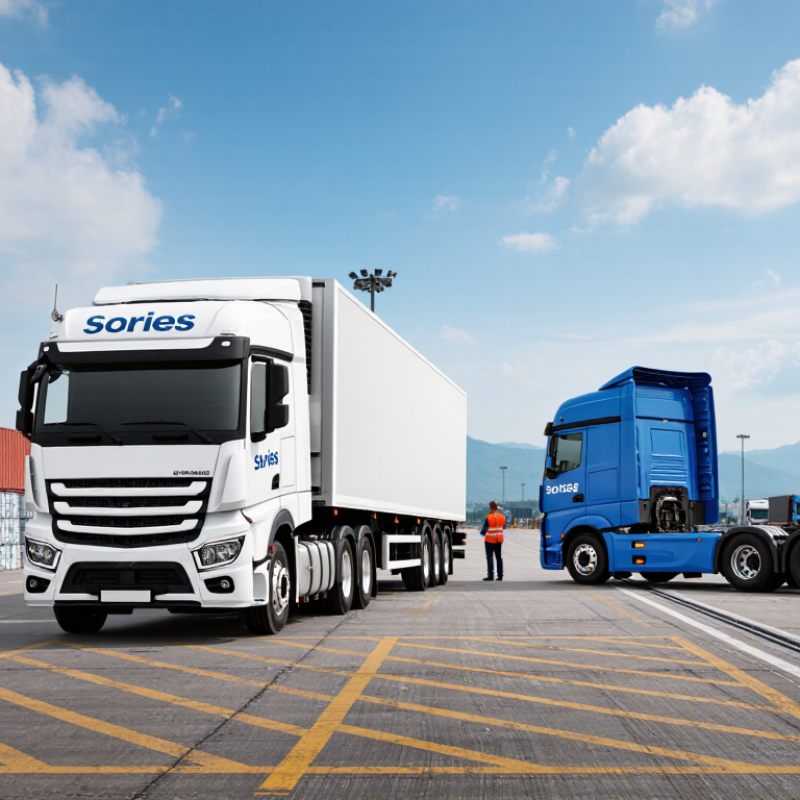
A lorry truck is a commercial road vehicle designed to carry goods over short, regional, or international routes. In British English, “lorry” usually means a truck, including rigid cargo vehicles and tractor units with trailers. Common applications include construction materials, refrigerated food, container transport, agricultural products, and urban delivery.
The correct lorry depends on payload, distance, road quality, and loading equipment. A rigid truck suits fixed routes and frequent local deliveries. A tractor-trailer offers greater capacity for long-haul freight. Buyers should check gross vehicle weight, axle load limits, body dimensions, turning radius, and ground clearance. A truck that looks powerful may still perform poorly on steep roads or weak bridges. This mistake is surprisingly common.
Energy choice also requires evidence. The International Energy Agency’s Global EV Outlook 2024 reported nearly 54,000 electric medium- and heavy-duty trucks sold worldwide in 2023, an increase of about 35% from the previous year. However, charging access remains uneven across markets. Diesel models may still suit remote routes, while electric trucks can reduce operating noise and local emissions in cities. The World Bank’s Logistics Performance Index 2023 also shows that customs, infrastructure, and delivery reliability strongly affect freight performance. Global buyers should therefore evaluate service coverage, spare-parts availability, warranty terms, and local technician skills. Cheap purchase prices can hide expensive downtime. Market data helps, but real route testing matters more.
Global buyers should match the truck to the route, not merely its maximum payload. Urban deliveries suit compact rigid trucks with tight turning circles and low-entry cabins. Regional distribution usually benefits from medium-duty box trucks with flexible body lengths. Long-haul freight requires heavy tractors, aerodynamic cabs, and compatible trailers. The wrong size can increase fuel use and maintenance costs.
Cargo conditions matter just as much. Refrigerated trucks protect food and medicines during temperature-sensitive journeys. Curtain-side bodies speed up loading at mixed-access warehouses. Flatbeds handle steel, timber, and machinery, but require careful load securing. Construction sites may need tipper trucks with reinforced frames and strong hydraulic systems. Buyers should check axle limits, road quality, climate, and service access before choosing equipment.
Professional data supports a measured approach. The IEA’s Global EV Outlook 2024 reported that electric truck sales exceeded 50,000 units globally in 2023, with rapid growth in urban fleets. However, charging access remains uneven across regions. The World Bank’s Logistics Performance Index 2023 also highlights infrastructure and tracking as major logistics factors. A low-emission truck may look attractive, yet poor charging coverage can reduce productivity. That assumption deserves testing. The IRU’s 2024 driver shortage report projects millions of unfilled truck-driver positions by 2028, so simple controls, visibility, and driver comfort also matter. Statistics help, but road trials reveal the uncomfortable details.
Choosing the best lorry for global work starts with its real payload, not its advertised maximum. Calculate cargo weight, pallet spacing, fuel, tools, and driver allowance together. A lorry carrying 8 tonnes may become overloaded after adding a heavy body. Check axle limits, suspension capacity, and the payload certificate. Measure twice. Small errors matter.
Dimensions must match the working environment. Compare body length, width, height, wheelbase, turning radius, and ground clearance. A tall body may increase volume but fail beneath warehouse doors or city bridges. Record the narrowest road and tightest loading bay on the planned route. Local weight and size rules also require verification before purchase. Real roads differ.
Engine power should support the loaded vehicle on hills without constant strain. Torque at low engine speed often matters more than peak horsepower. Evaluate transmission response, cooling performance, and braking control under heavy loads. Fuel efficiency should be tested with a representative payload, route, traffic pattern, and climate. Empty-route figures can mislead buyers. Track litres per 100 kilometres, idling time, tyre pressure, and maintenance intervals. A short trial may expose weaknesses, but it cannot predict every season. That limitation deserves attention.
When choosing a lorry for international work, legal compliance deserves more attention than paint or cabin size. Ask the seller for the vehicle identification number, manufacturing date, rated gross weight, axle limits, and ownership documents. Check whether the truck meets the destination’s emissions stage, braking rules, lighting layout, mirror requirements, and noise limits. These details vary sharply between countries. A certificate accepted at the port may not satisfy local registration officials. Verify every requirement with the destination authority.
Safety inspection should be practical, not limited to paperwork. Examine brake response, tire condition, steering play, frame cracks, seat-belt operation, warning lights, and fire equipment. Request independent test reports, service records, and clear chassis photographs. Confirm payload after body installation; advertised capacity can be optimistic. It is easy to overlook height, width, turning radius, or right-hand-drive restrictions. Measure twice. A loading bay may tell the truth.
Before payment, confirm the commercial invoice, packing list, bill of lading, certificate of origin, conformity certificate, and customs classification. Ask who handles duties, port storage, inspection fees, and inland delivery. Import rules may require pre-shipment inspection, translated documents, or modified lamps and connectors. Use a written purchase specification with penalties for missing equipment, but have it reviewed locally. One uncomfortable lesson remains: a cheaper truck can become expensive after taxes, repairs, and failed registration. Standards change, and online advice becomes outdated. Recheck the rules shortly before shipment.
Choosing the best lorry starts with total cost, not the purchase price. ATRI’s 2023 An Analysis of the Operational Costs of Trucking reported an average U.S. operating cost of $2.251 per mile in 2022. Maintenance and repair represented about 20.6 cents per mile. This benchmark is not universal, but it shows why cheap equipment can become expensive. Ask suppliers for fuel or energy consumption, service intervals, parts prices, and expected resale value. Request comparable test data, not polished claims.
Warranty terms need careful reading. Check coverage periods, mileage limits, excluded components, labor costs, and regional validity. A five-year warranty sounds strong. It may exclude the parts that fail most often. The European Automobile Manufacturers’ Association reported that EU trucks averaged 14.2 years old in 2022, highlighting the value of durability and long-term support. For international buyers, confirm whether local technicians can perform approved repairs. Also verify parts stock near your operating region and typical delivery times.
After-sales support should be measured before signing. Ask for service-response targets, escalation contacts, diagnostic training, and written downtime procedures. Speak with current fleet operators if possible. Their workshop records may reveal more than a supplier presentation. Some buyers focus too heavily on discounts. I have seen this approach fail when one unavailable sensor stopped a vehicle for days. Compare the full support package, including technician training and software access. A simple scorecard helps, although real-world performance can still disappoint. Reliability is partly equipment quality and partly the supplier’s discipline after delivery.
Supplier comparison based on weighted buyer priorities: total cost, warranty coverage, after-sales response, and spare-parts availability.
A balanced supplier profile typically delivers the strongest overall value by combining competitive ownership costs with dependable warranty and service support. Buyers should verify these benchmarks against local regulations, freight costs, service-network coverage, and contract terms.