Why Choose the Right Solar Panels Supplier for Your Needs?
Choosing the right solar panels supplier is crucial for your energy needs. Many suppliers claim to provide the best products. However, it’s essential to dig deeper into their offerings. Quality solar panels can significantly impact your energy efficiency and overall cost savings.
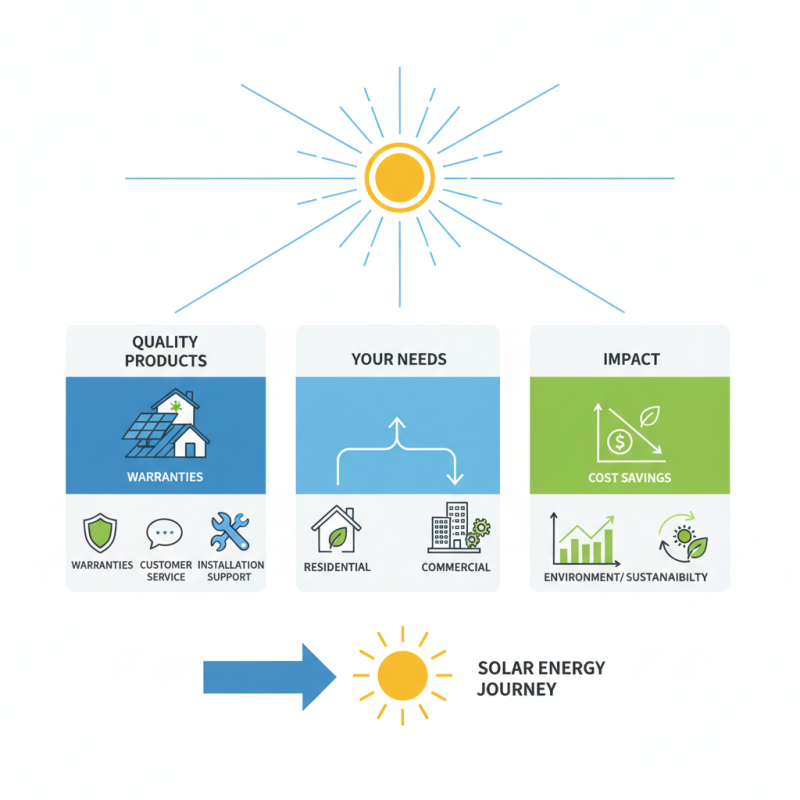
Consider what makes a supplier reliable. Look for warranties, customer service, and installation support. These factors can greatly influence your experience. Not every supplier meets these standards, which can lead to frustration later. You may find yourself overwhelmed by technical jargon and sales pitches.
Understanding your unique requirements helps narrow down options. Whether you need residential panels or commercial systems, specificity matters. Your choice affects not just energy bills but also the environment. Taking the time to select the appropriate solar panels supplier ensures a more sustainable and rewarding journey towards solar energy use.
Why Understanding Your Energy Needs Matters in Solar Panel Selection
Selecting the right solar panels aligns closely with understanding your specific energy needs. Since energy usage varies greatly from one household to another, identifying your consumption patterns is crucial. According to the U.S. Energy Information Administration, residential energy consumption averages about 877 kWh per month. However, individual requirements can differ significantly based on lifestyle, the number of occupants, and appliances used.
To optimize energy production, start by analyzing your monthly electricity bills. Understanding peak usage times may help in choosing solar panel capacity. For instance, if you consume more energy during the day, a larger system with higher wattage panels may be beneficial. Additionally, consider future energy needs. If you plan on purchasing an electric vehicle or expanding your home, it’s wise to invest in a system that accommodates those increases.
Tips: Always look for a supplier who offers a range of products. This flexibility can better meet your unique requirements. Be mindful about the installation location as well; panels should be positioned to maximize sunlight exposure. However, not every roof is ideal. Think about shared spaces, like carports, and how solar panels can benefit those settings too. Embracing alternative options can sometimes lead to better energy solutions.
Key Factors to Consider When Evaluating Solar Panel Suppliers
Choosing the right solar panel supplier is crucial. A reliable supplier can greatly impact your solar energy system’s efficiency and lifespan. When evaluating suppliers, consider their experience and reputation in the solar industry. According to the National Renewable Energy Laboratory, solar panels can last over 25 years. A dependable supplier will often provide comprehensive warranties that reflect their confidence in product longevity.
Another critical factor is the quality of the solar panels offered. Look for suppliers that provide third-party certification, like those from UL or IEC. Quality panels typically have higher efficiency rates, often between 15% to 22% as reported by the Solar Energy Industries Association (SEIA). Low-efficiency panels might save you money upfront but can lead to higher long-term costs.
Tip: Always request performance data from suppliers. Compare efficiency ratings and degradation rates. Additionally, their customer service matters significantly. A supplier who is responsive and helpful can make your installation process smoother. Sometimes, suppliers might promise higher efficiency than what their panels deliver. Research and verify claims to avoid potential disappointments. A careful evaluation can ensure you select a supplier that meets your energy needs effectively.
Comparison of Key Factors in Solar Panel Suppliers
The Importance of Supplier Reputation and Experience in Solar Industry
In the solar industry, supplier reputation is crucial. A study by the Solar Energy Industries Association (SEIA) indicates that over 70% of consumers consider reputation when choosing a supplier. This significant statistic highlights the impact of a supplier’s history on customer confidence. An experienced supplier often comes with a proven track record of quality and reliability. They understand the complexities of solar technology and offer informed guidance.
Experience in the solar market matters. According to recent data, companies with over a decade of experience tend to have a better project completion rate. They have learned from past mistakes. This insight can lead to fewer installation issues. Additionally, seasoned suppliers typically offer comprehensive warranties, which reflect their confidence in their products. Customers should question the length and scope of warranties before making a decision.
While many options exist, not every supplier is reliable. New entrants might lack essential expertise. Some established companies may also face challenges, like customer service shortcomings. It is important to research thoroughly. Look for customer reviews and case studies. Weighing these factors ensures a choice that aligns with your needs and minimizes potential risks.
Analyzing Warranty and Maintenance Support Options from Suppliers
Choosing the right solar panels supplier is crucial. One of the key elements to consider is the warranty and maintenance support they offer. A solid warranty can provide peace of mind. Look for warranties that cover both the equipment and performance. This ensures you’re protected if anything goes wrong.
Maintenance support should also play a role in your decision. Does the supplier offer regular check-ups? What about emergency repairs? Having quick access to support can save you time and money. It’s important to ask about their response times. You want a supplier that can help promptly.
Tips: Always read the fine print on warranties. Some may have hidden limitations. Consider the long-term benefits of comprehensive maintenance support. A little research can pay off significantly. If a supplier is vague about warranties or support, that could be a red flag. Trust your instincts and seek clarity.
Evaluating Cost-Effectiveness and Efficiency Ratings of Solar Panels
Choosing the right solar panels involves understanding cost-effectiveness and efficiency ratings. These factors can significantly impact your investment. Cost-effectiveness is not just about upfront prices; it also includes long-term savings. A more efficient panel converts more sunlight into electricity, which means lower energy bills. However, higher efficiency often comes with a higher price tag.
Evaluating efficiency ratings is equally important. Ratings like those from standardized tests provide insights into performance under various conditions. A panel may perform well in ideal situations but poorly in real-life environments. It's crucial to understand your local climate and install panels that can withstand it. Additionally, consider how often your chosen supplier updates technological advancements. A supplier that embraces innovation may provide you with better options down the road.
Balancing costs and efficiency can be challenging. It’s tempting to go for the cheapest option. But this might lead to greater expenses over time. Take a step back and analyze your needs carefully. Reflect on your energy consumption patterns. Each decision impacts not only your wallet but also the environment. Hence, weighing the right factors is essential for a sustainable choice.