What is Cotton Chenille and How is it Used in Textiles?
Cotton Chenille is a unique textile known for its velvety texture and softness. This material is made from cotton fibers twisted into plush strands. Designers and manufacturers appreciate Cotton Chenille for its versatility in various applications. It is often used in upholstery, throw blankets, and children's clothing. Its vibrant colors and luxurious feel make it stand out in the textile market.
The process of creating Cotton Chenille requires skilled craftsmanship. The fibers are specially processed to ensure durability and comfort. This textile can be more challenging to care for than traditional fabrics. Therefore, users must consider the maintenance needs before investing. The right care can extend its lifespan, while neglect may lead to wear and tear.
Incorporating Cotton Chenille into textiles adds a touch of elegance. However, consumers should reflect on their choices. The environmental impact of cotton production raises questions about sustainability. Buying from responsible brands can help mitigate this issue. Understanding Cotton Chenille's qualities is essential for informed decisions.
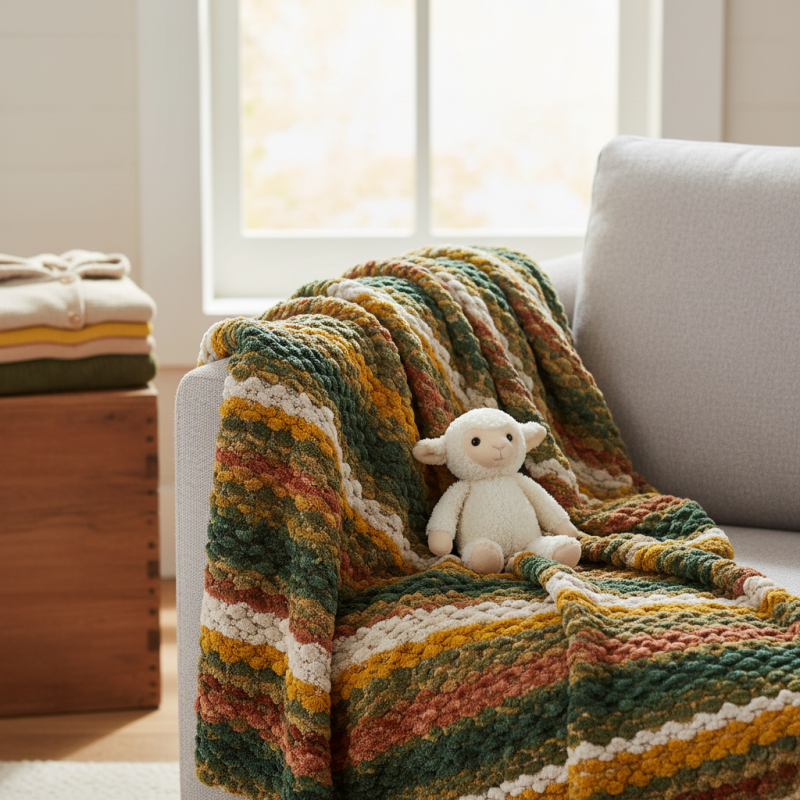
What is Cotton Chenille?
Cotton chenille is a unique textile known for its soft and plush texture. Made from cotton fibers, it has a distinctive raised surface that feels luxurious to touch. This fabric is created through a special weaving process, which results in the characteristic loops that define chenille. Many appreciate its warmth and cozy appeal, making it a popular choice for various applications.
In the world of textiles, cotton chenille finds its way into many products. It is commonly used for upholstery, blankets, and cushions. The texture adds visual interest and comfort to living spaces. Additionally, cotton chenille is often employed in crafting, as it lends itself well to various DIY projects. Its vibrant colors and softness offer an attractive option for decorative items. However, care should be taken when washing this fabric, as excessive agitation can ruin its plush texture.
While cotton chenille is beloved for its qualities, it is not without its drawbacks. It can be prone to pilling, particularly with heavy use. Some may find it challenging to clean, as specific care instructions often apply. Thus, while it delivers aesthetic beauty and comfort, these factors require consideration. Cotton chenille continues to be a favored material in many households; knowing its care requirements is essential for longevity.
Historical Overview of Chenille Fabric
Chenille Fabric has a rich history that dates back to its origins in France during the 18th century. The term "chenille" means "caterpillar" in French, aptly describing the fabric's soft, plush texture. Initially, it was made from silk, which gave it a luxurious appeal. Over the years, other fibers like cotton emerged as alternatives, making chenille more accessible. This transition helped chenille gain popularity in home textiles, especially in upholstery and decorative throws.
As chenille fabric evolved, its versatility became a defining characteristic. The unique process of creating chenille involves twisting yarns, resulting in its distinctive fuzzy surface. Today, it is often used for blankets, pillows, and clothing. However, maintaining chenille can be challenging due to its delicate nature. Some fabrics may wear out quickly or lose their luster after several washes. This is a crucial consideration for consumers wanting to invest in chenille textiles. Despite these concerns, the charm of chenille continues to captivate designers and homeowners alike.
Properties and Characteristics of Cotton Chenille
Cotton chenille is a unique textile known for its plush texture and versatility. Its fibers are tufted to create a soft, velvety surface. This characteristic makes it highly sought after for home décor and apparel. According to the Textile Exchange, cotton production reached 26.5 million tons in recent years, highlighting the increased demand for sustainable fabrics like cotton chenille.
One of the main properties of cotton chenille is its durability. It withstands wear and tear, making it ideal for heavy-use applications. The soft texture can also enhance comfort, especially in upholstery. However, cotton chenille can be prone to fraying if not properly handled. An industry report shows that 75% of users recommend careful washing to maintain its integrity.
Color options are another noteworthy feature. Cotton chenille can be easily dyed, leading to vibrant, long-lasting colors. However, the dyeing process can sometimes lead to inconsistencies, which may be disappointing for some manufacturers. Its hypoallergenic nature is a plus for sensitive individuals, yet it's essential to ensure that the entire production process follows safety guidelines.
Common Applications of Cotton Chenille in Textiles
Cotton chenille is a unique type of yarn characterized by its soft, velvety texture. It is created by weaving short fibers between two twisted strands. This design gives cotton chenille a distinctive look, making it a popular choice in various textile applications.
One common application of cotton chenille is in upholstery. Its plush texture adds comfort to furniture, making it an appealing option for sofas and chairs. This fabric is also popular in making blankets and throws. Cotton chenille blankets are cozy and warm, perfect for chilly evenings. Additionally, the fabric finds use in decorative items like cushions and rugs.
Tips: When using cotton chenille in your projects, consider pre-washing the fabric. It tends to shrink, impacting the final size of your item. Be mindful of the lint—cotton chenille can shed.
Another interesting use of cotton chenille is in children's clothing and accessories. Its softness makes it ideal for baby blankets and garments that touch sensitive skin. However, be cautious of its durability. While cozy, cotton chenille may wear down faster than other fabrics when subjected to heavy use.
Fashion designers often explore innovative approaches with cotton chenille. The fabric offers intricate textures, enriching patterns. Yet, it's essential to balance visual appeal with functionality. Understanding its limitations can help in successful textile projects.
Care and Maintenance Tips for Cotton Chenille Products
Cotton chenille is a unique textile known for its soft and fuzzy texture. To keep your cotton chenille products looking great, proper care is essential. Washing them gently is crucial to avoid damaging the delicate fibers. Hand washing in cold water is ideal. If you prefer machine washing, use a gentle cycle and a laundry bag to protect the fabric. Avoid bleach, as it can harm the color and texture.
Drying can also make a difference. Air drying is best, as heat can shrink the fibers. Lay the items flat on a clean, dry towel to help them retain their shape. If you must use a dryer, opt for the lowest heat setting. Regularly check for pilling, especially after washing. Removing these small balls with a fabric shaver can keep your cotton chenille soft and inviting.
Store your cotton chenille items in a cool, dry place. Avoid hanging them, as this can stretch the fabric. Instead, fold them neatly to preserve their shape. Remember that even with the best care, fabrics can wear over time. Embracing some imperfections can add to the charm of your cotton chenille pieces. This vulnerability makes them unique, reflecting the stories of their usage.
What is Cotton Chenille and How is it Used in Textiles? - Care and Maintenance Tips for Cotton Chenille Products
| Feature | Description |
| Material Composition | 100% Cotton, typically tufted to give a soft texture. |
| Texture | Soft, plush, and velvety texture ideal for upholstery and crafts. |
| Common Uses | Throw blankets, pillows, rugs, clothing, and baby products. |
| Care Instructions | Machine wash on gentle cycle; tumble dry on low; avoid bleach. |
| Maintenance Tips | Regularly fluff the fabric to maintain its texture; store in a cool, dry place. |
| Durability | Moderately durable; care needed to prevent pilling and fading. |
| Environmental Impact | Biodegradable and made from natural fibers; consider organic cotton variant. |