What is a Dot Pin Marking Machine and How Does It Work?
The Dot Pin Marking Machine has emerged as a crucial tool in industrial marking applications. This technology allows for precise and permanent marking on various materials. Reports indicate that the global market for such machines is expected to grow significantly, reaching a valuation of over $300 million by 2025. Companies are increasingly adopting this technology due to its ability to improve efficiency and reduce costs.
Understanding how a Dot Pin Marking Machine works is essential for manufacturers. It utilizes a carbide pin to create high-quality marks. These marks are resistant to wear and tear, making them suitable for components in demanding environments. However, some businesses may overlook the importance of proper maintenance. Neglecting this aspect can lead to decreased marking quality over time.
Moreover, while the technology offers various benefits, challenges still exist. The learning curve associated with operating these machines can be steep for some personnel. Thus, investing in training is vital to maximize their potential. Recognizing these factors can help industries make informed decisions about integrating Dot Pin Marking Machines into their operations.
What is a Dot Pin Marking Machine and Its Primary Applications?
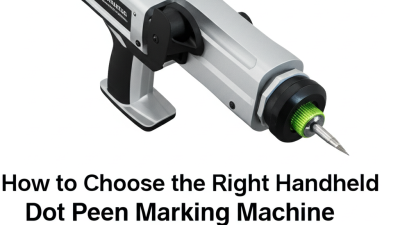
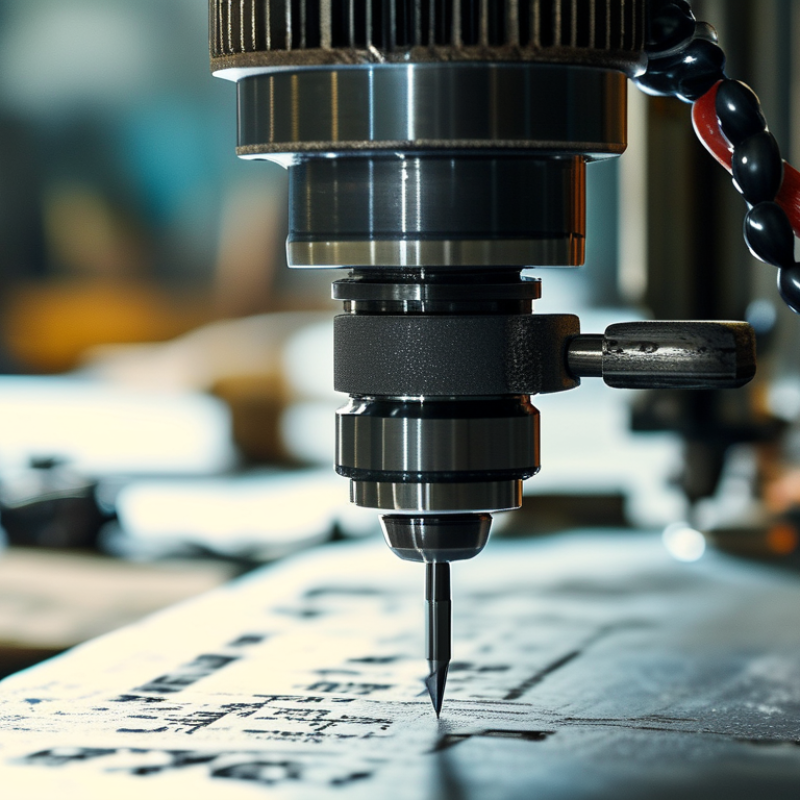
A dot pin marking machine is a precision tool used for marking materials. It creates permanent marks using a pin that strikes the surface. This process results in dot patterns that can represent text, serial numbers, or logos. It finds applications in various industries, such as automotive, aerospace, and electronics. Manufacturers use this technology to ensure product traceability, quality control, and brand identification.
One key benefit of dot pin marking is its versatility. It can mark on various materials, including metals, plastics, and ceramics. The marks are durable, making them ideal for parts exposed to harsh environments. However, users should verify the machine's compatibility with the materials they work with. Not every machine handles all surfaces well.
Consider the speed and efficiency of your marking process. Slow marking may lead to increased production costs. Ensure regular maintenance to keep the machine in top shape, as wear can affect marking quality. Remember, consistency in markings is crucial. Inaccurate markings can lead to misunderstandings and potential operational issues. Always test your settings before starting a larger batch to prevent errors.
What is a Dot Pin Marking Machine and How Does It Work? - Primary Applications
| Application |
Industry |
Material Compatibility |
Marking Depth |
Speed |
| Product Identification |
Manufacturing |
Metal, Plastic |
0.1 to 1.5 mm |
Up to 300 mm/s |
| Traceability Codes |
Aerospace |
Aluminum, Steel |
0.5 to 2.0 mm |
Up to 200 mm/s |
| Serial Numbers |
Automotive |
Plastic, Composite |
0.5 to 1.2 mm |
Up to 250 mm/s |
| logos |
Electronics |
Copper, Resin |
0.2 to 2.0 mm |
Up to 300 mm/s |
| Custom Text |
Medical |
Stainless Steel, Glass |
0.1 to 1.0 mm |
Up to 150 mm/s |
Key Components of a Dot Pin Marking Machine Explained
A dot pin marking machine is essential for various industries. It helps create permanent marks on surfaces. The key components of this machine play a crucial role in its functionality and efficiency. Understanding these components can enhance your experience when using the machine.
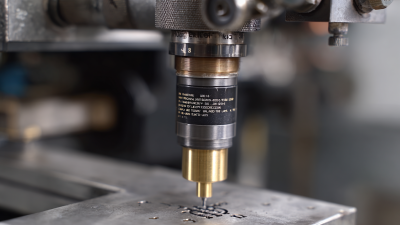
One major component is the marking head. This piece contains the pin that strikes the surface, creating a mark. The pin's material affects the quality of the markings. High-quality pins deliver clearer results. Another crucial part is the control unit. This unit manages the machine's settings and operations. An intuitive interface allows for easier adjustments.
The frame of the machine also deserves attention. A sturdy frame ensures stability during operation. A well-built frame contributes to the accuracy of the markings. Regular checks on these components are necessary. Neglecting maintenance can lead to decreased performance. The entire system relies on each part working correctly. When one component fails, the quality of the marks can suffer.
How the Dot Pin Marking Process Works: A Step-by-Step Guide
Dot pin marking machines provide a unique solution for permanent marking on various materials. The dot pin marking process uses a series of controlled impacts to create precise markings. The technology is commonly employed in industries like automotive and aerospace, where durability is essential. According to industry reports, the global market for dot pin marking machines is expected to grow by 4.5% annually, reflecting their increasing adoption in manufacturing.
Understanding how the dot pin marking process works is crucial for those in the field. It typically starts with the machine's software, which generates the desired text or design. The marking head then moves over the surface. Each strike leaves a dot on the material, gradually forming the final mark. This method allows for high accuracy, with dot sizes varying between 0.5mm and 1mm, catering to different requirements.
Despite its advantages, some challenges persist. Machine calibration can be tricky, requiring experienced operators. Inaccurate settings may lead to inconsistency in markings. Additionally, the choice of materials can affect the final quality. Harder materials might require adjustments to striking force, which complicates the process. It’s essential for users to periodically review their techniques and outcomes to ensure reliability in marking.
Advantages of Using Dot Pin Marking Machines in Manufacturing
Dot pin marking machines have become essential tools in modern manufacturing. They provide permanent and precise markings on various materials, including metal, plastic, and wood. The process involves using a hard tungsten carbide pin to create dots that form letters, numbers, and logos. Many industries benefit from this technology, especially automotive and aerospace, where traceability is crucial.
One significant advantage of dot pin marking machines is their durability. Unlike traditional printing methods, which may fade over time, dot pin markings are resistant to wear and corrosion. According to a study by the International Journal of Advanced Manufacturing Technology, parts marked with dot pin systems showed a 40% increase in lifespan due to their ability to withstand harsh environments.
Cost-efficiency is another reason manufacturers adopt this technology. The reduced need for consumables and maintenance leads to lower operational costs. Reports indicate that using automated marking can increase productivity by up to 30%. This reduction in downtime is vital for businesses aiming to streamline their production processes. However, some manufacturers face challenges such as the initial investment cost and the learning curve for operators. Addressing these concerns can help optimize the benefits of dot pin marking systems in industrial settings.
Dot Pin Marking Machine Advantages in Manufacturing
Industry Standards and Best Practices for Dot Pin Marking Techniques
Dot pin marking machines play a crucial role in manufacturing and industrial applications. These machines create permanent marks on a variety of materials, ensuring traceability and product identification. The process involves a dot pin that strikes the material surface, leaving behind a mark made of dots. According to industry reports, effective dot pin marking can improve quality control by up to 30% in some sectors.
Adhering to industry standards is essential for effective dot pin marking. The ASME Y14.100 standard provides guidelines on part and assembly drawings, which include marking specifications. Implementing ISO 9001 quality management principles ensures consistency and reliability. In many cases, businesses forget to train their operators on these standards, leading to errors and inconsistent marking. Continuous training and adherence to best practices can significantly reduce rework and wastage.
The materials being marked can also affect the marking quality. Soft metals like aluminum may require different settings compared to harder materials like stainless steel. Not all operators consider the material compatibility, which can lead to unclear or incomplete markings. Companies should analyze their marking challenges and explore improvements based on material types. Regular audits and feedback loops can help identify areas for refinement in marking processes.