What is Galvanized Coil and Its Uses in Construction?
Galvanized Coil is a critical material in the construction industry. This product, made by coating steel with zinc, provides durability and corrosion resistance. Expert John Smith, a leader in the metal industry, once said, “Galvanized Coil is the backbone of modern construction.” His words highlight its importance.
In many projects, builders rely on Galvanized Coil for various applications. It strengthens structures and extends their lifespan. However, the need for sustainable practices raises questions. Are we focusing on the long-term effects of using these materials? Steel production has an environmental impact that must be addressed.
While Galvanized Coil offers several advantages, there are challenges. The balance between corrosion resistance and environmental sustainability is crucial. As the industry evolves, finding innovative ways to use Galvanized Coil responsibly becomes vital. Developers and engineers must reflect on their choices and prioritize eco-friendly solutions.
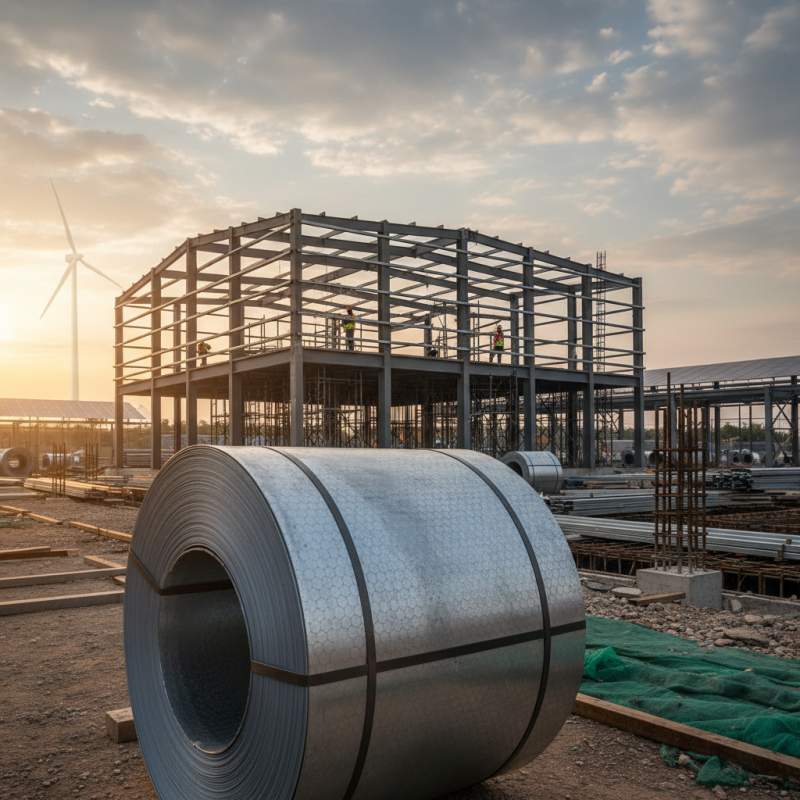
Definition of Galvanized Coil and Its Manufacturing Process
Galvanized coil is steel that has been coated with zinc to prevent rusting. This process involves dipping the steel into molten zinc, which adheres to the surface. The thickness of this coating varies, impacting durability and corrosion resistance. Galvanized coil is produced through different methods, including hot-dip galvanizing and electro-galvanizing. Each method has its pros and cons, contributing to its varied applications.
In construction, galvanized coils serve multiple purposes. They are primarily used in roofing sheets, gutters, and fencing materials. The protective zinc layer increases the lifespan of these applications, making them more reliable in various weather conditions. These coils can also be shaped into different profiles, allowing flexibility in design. However, sometimes the coating can be uneven, leading to potential weak spots. It's crucial for construction professionals to inspect the quality before use. Despite advancements, the manufacturing process can yield inconsistency, raising concerns about long-term performance.
Properties of Galvanized Coil That Benefit the Construction Industry
Galvanized coil is a steel product coated with zinc to prevent rust. This goes beyond basic protection. The galvanized finish provides longevity and durability. In construction, this material excels. It withstands harsh weather conditions. Corrosion-resistant properties enable it to last longer than untreated steel. Reports suggest that galvanized steel can last over 50 years in the right environments.
A key advantage is its strength-to-weight ratio. Galvanized coils are robust yet lightweight. This makes them easy to handle. Construction professionals often prefer them for structural components. They are ideal for roofs, siding, and frames. Their pliability allows for creative designs. However, careful cutting is necessary to prevent damage.
Tip: Always wear protective gear when cutting galvanized metals. The fine particles can be harmful when inhaled. Also, ensure proper ventilation in the workspace. Despite its benefits, not all projects require galvanized steel. Some applications may not justify the cost. Evaluate your project needs before selecting materials. This helps in making smart, economical decisions.
What is Galvanized Coil and Its Uses in Construction?
| Property | Description | Benefit in Construction |
| Corrosion Resistance | Galvanized coils are coated with zinc to prevent rust and corrosion. | Increases durability and longevity of construction materials. |
| Strength | High tensile strength providing structural integrity. | Allows for less material usage while maintaining structural support. |
| Lightweight | Less dense than other metal options, making it easier to handle. | Reduces transportation and labor costs. |
| Versatility | Can be used in various construction applications including roofing and fencing. | Adapts to different structural needs and designs. |
| Cost-Effective | Relatively low upfront cost with a high return on investment. | Long-term savings due to reduced maintenance and replacement. |
Common Applications of Galvanized Coil in Construction Projects
Galvanized coil is a type of steel that has been coated with zinc. This process protects it from corrosion. In construction, its uses are diverse and vital. The protective layer makes it suitable for various environments. Buildings require materials that can withstand weather changes. Galvanized coil is often used for roofing and siding. Its durability ensures a long-lasting structure.
Common applications also include metal studs and framing. These elements form the backbone of many constructions. Galvanized coil helps maintain structural integrity over time. It is also used in gutters and downspouts. Proper drainage is crucial for any building project. Sometimes, contractors overlook the importance of proper installation. A poorly installed galvanized coil can lead to rust. This is a significant concern in humid climates.
Moreover, its use in fences and handrails improves safety. The silver finish adds aesthetic value too. In some projects, however, the reliance on galvanized coil can be problematic. Not all environments are favorable. In certain coastal areas, additional treatments might be needed. Understanding these nuances can lead to better project outcomes. Each application requires careful consideration and expertise.
Advantages of Using Galvanized Coil Over Other Materials
Galvanized coil is an essential material in construction, known for its corrosion resistance. It consists of steel coated with zinc. This process enhances durability. The result is a product that stands up well to various weather conditions.
One major advantage of using galvanized coil is its longevity. Data indicates that galvanized steel can last up to 50 years in some environments. In comparison, untreated steel may only endure a fraction of that time. This means fewer replacements. It can also reduce costs significantly over time. Moreover, the maintenance needs are much lower.
Tip: Always ensure proper installation of galvanized materials. This can help maintain their protective qualities. Another benefit is the ease of working with galvanized coil. It can be easily cut and shaped, making it versatile for various projects.
One area for reflection is the environmental impact. The production of galvanized materials requires significant energy. While the lifespan is long, consider the recycling potential. Knowing the entire lifecycle of materials can aid in making better choices. Aim to balance strength with responsibility.
Maintenance and Durability Considerations for Galvanized Coil in Use
When using galvanized coil in construction, maintenance and durability are critical. Galvanized steel exhibits impressive resistance to corrosion, significantly increasing its lifespan. According to the American Galvanizers Association, galvanized steel can last up to 50 years in most environments. However, it's essential to consider various factors that can affect this longevity.
Environmental conditions play a vital role in the durability of galvanized coils. For example, exposure to saltwater or acidic environments can lead to quicker degradation. Building owners should inspect galvanized materials regularly. Many experts recommend a maintenance cycle of every five years to ensure that the protective zinc layer remains intact.
Tips: Look for signs of corrosion during inspections. Small rust patches can indicate a compromised coating. Addressing these issues early can save costs in the long run.
In addition, the quality of the galvanization process matters. Thicker coatings provide better protection. However, even well-coated materials aren’t immune to wear. Using additional protective measures like painting or applying protective films can enhance durability. Investing in proper maintenance is essential to maximize the benefits of galvanized coils in construction projects.