Why is an Overflow Valve Block Important for Your System?
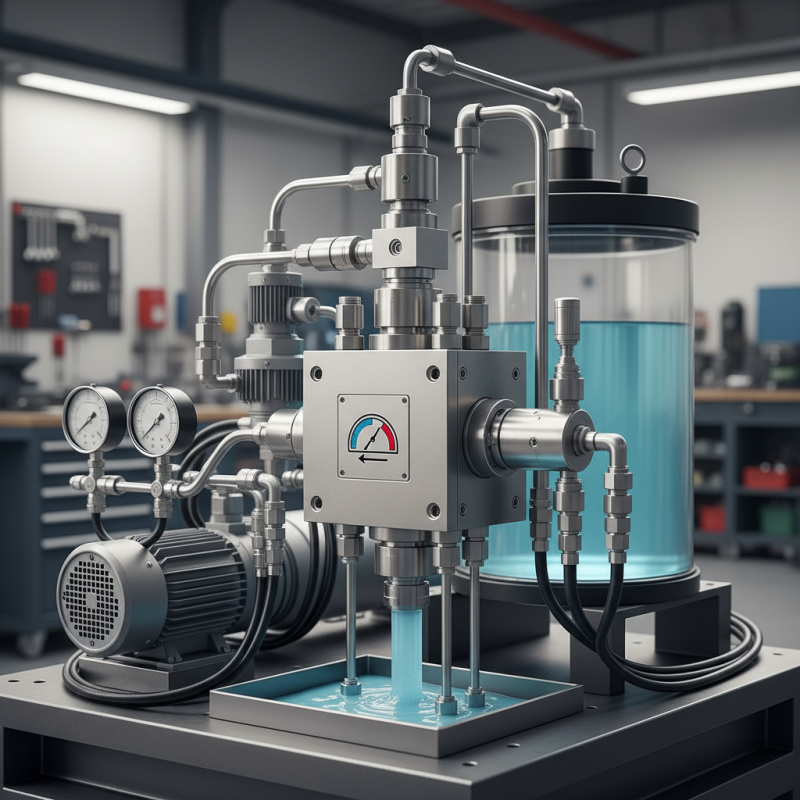
In any hydraulic system, the role of an Overflow Valve Block is crucial. This component helps maintain optimal pressure levels. Without it, systems can face severe damage. An Overflow Valve Block prevents excessive pressure build-up, ensuring safe operation.
If pressure exceeds limits, the consequences can be dire. Equipment may fail, leading to costly repairs. A flooded workspace can occur if leaks happen. Thus, the Overflow Valve Block acts as a safety net.
However, not all systems prioritize this essential block. Some overlook it, risking performance. This negligence can result in serious operational issues. Regular checks and maintenance of the Overflow Valve Block are vital. It's essential to reflect on its importance and ensure it’s not an afterthought in system design.
Importance of Overflow Valve Blocks in Hydraulics Systems
Overflow valve blocks play a crucial role in hydraulic systems. They manage pressure levels and prevent overload. In any hydraulic setup, maintaining the right pressure is essential. Too much pressure can damage components or lead to system failures. An overflow valve block helps avoid these issues by regulating excess fluid flow.
When systems operate under high pressure, it’s easy to overlook the importance of overflow valve blocks. However, neglecting these components can lead to serious problems. A blocked or malfunctioning overflow valve can create pressure spikes. This situation can result in leaks or complete system breakdowns. Regular maintenance helps ensure these valves function correctly.
Beyond preventing damage, overflow valve blocks improve efficiency. They allow systems to operate at optimal levels. When pressure is balanced, the overall performance is enhanced. That means less energy is wasted. Yet, some operators may not recognize this benefit. There is a tendency to take these components for granted until a failure occurs.
How Overflow Valve Blocks Function and Their Role in Pressure Control
Overflow valve blocks play a crucial role in managing pressure control within hydraulic systems. Understanding their function helps in maintaining system integrity. These components allow excess fluid to escape, preventing over-pressurization. Without them, systems can face serious damage. The design is simple yet effective. When pressure exceeds the set limit, the valve opens, releasing fluid safely.
Additionally, overflow valve blocks ensure that systems operate within safe pressure ranges. This function protects against leaks and component wear. Observing the valves regularly is essential. Blockages or damages can happen over time, leading to failures. Not every overflow valve works perfectly. Some may require adjustments or replacements to function efficiently.
Pressure fluctuations can create confusion. Operators must be attentive. Misreading pressure levels can result in inefficient operations. Regular maintenance of overflow valve blocks can prevent serious issues. It's a small step that yields significant benefits. The importance of these components cannot be overstated. Effective monitoring plays a key role in ensuring long-term system health.
Impact of Malfunctioning Overflow Valves on System Efficiency
Malfunctioning overflow valves can greatly reduce system efficiency. When these valves fail, they may not release excess pressure properly. This can lead to overheating and potential system damage. In many cases, this results in costly repairs and downtime. Systems can suffer from decreased performance. Overall, the entire operation may slow down due to these issues.
Tips for maintaining overflow valves include regular inspections. Look for any signs of wear and tear. Ensure that the valves are clean and free from debris. Small issues can escalate quickly. Always address minor leaks before they become major problems.
Another consideration is the calibration of overflow valves. Improper settings can lead to inefficiencies in pressure management. If your system is running under high-stress conditions, re-evaluate your valve specifications. It's crucial to adapt to changing operational demands. Neglecting these aspects might result in unexpected failures.
Why is an Overflow Valve Block Important for Your System? - Impact of Malfunctioning Overflow Valves on System Efficiency
| Aspect | Details |
| Function of Overflow Valve | Regulates pressure and prevents fluid overflow in hydraulic systems. |
| Common Causes of Malfunction | Blockages, corrosion, wear and tear, and incorrect settings. |
| Impact on System Efficiency | Can lead to increased pressure, overheating, and reduced performance. |
| Signs of Malfunction | Unusual noises, vibrations, leaks, or irregular operation of connected components. |
| Maintenance Recommendations | Regular inspections, cleaning, and timely replacement of parts to ensure smooth operation. |
| System Downtime Risk | Malfunctioning valves can lead to significant system downtime and repair costs. |
Key Features and Specifications to Consider When Choosing Overflow Valves
When choosing an overflow valve, several key features stand out. The pressure rating is crucial. It determines how much pressure the valve can handle before it opens. Too low a rating may lead to system failure. Look for valves designed with durable materials. Steel or brass options typically last longer and withstand harsh conditions.
Size matters too. An improperly sized valve can cause issues. If it's too small, you risk overflow. If it's too large, you may lose efficiency. Measure your system specifications carefully. Installation flexibility is another consideration. Some valves offer adjustable fittings, making them easier to integrate into various systems.
Tip: Always check the compatibility of the valve with your existing setup. Validate the material, size, and pressure rating against your system’s requirements.
Understanding the flow characteristics is vital. Some valves operate faster than others. If your system requires a quick response, select a high-flow option. Lastly, don’t forget about maintenance. Choose a valve that allows for easy access. Regular checks can prevent unexpected breakdowns and costly repairs.
Maintenance Best Practices for Overflow Valve Blocks in Industrial Applications
Overflow valve blocks play a crucial role in maintaining system stability. Regular maintenance ensures they function effectively. Skipping this can lead to system failures or pressure issues. Regular inspections prevent build-up of dirt and debris. A simple visual check could save you from bigger problems later.
Cleaning the overflow valve block is essential. It’s not just about the external appearance. Internal components must also be checked for wear and tear. Dust accumulation can affect performance. If not cleaned properly, minor leaks can turn into major failures. Maintenance schedules should not be overlooked.
Documenting each maintenance activity helps track potential issues. Ensure that all personnel follow these practices. Sometimes, a shared understanding can be lost. This could cause gaps in procedure adherence. Revisiting maintenance protocols regularly can lead to safer operations. A well-maintained overflow valve block contributes to overall system efficiency.