What is Industrial Marking Systems and How Do They Work?
Industrial Marking Systems play a crucial role in modern manufacturing. They are essential for product identification, traceability, and compliance. These systems ensure that each product meets industry standards. They incorporate various techniques to mark materials efficiently. From laser engraving to inkjet printing, each method has its unique benefits.
In today's fast-paced production environment, accurate markings are vital. They help reduce errors and improve workflow. The failure to implement effective marking can lead to significant issues. This could result in financial losses and reputational damage. Industries depend on reliable systems to communicate important information clearly.
However, despite their advantages, challenges exist. Some marking methods can be costly or require extensive maintenance. Companies must weigh the costs against potential benefits. Careful consideration can lead to a significant return on investment. Understanding Industrial Marking Systems is essential for any business involved in manufacturing.
Definition and Overview of Industrial Marking Systems
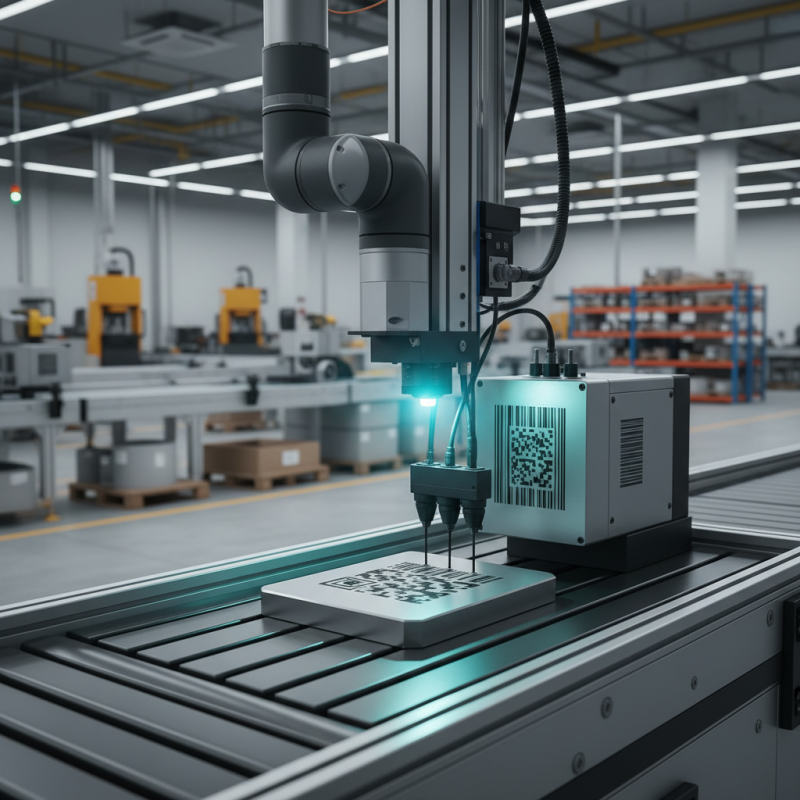
Industrial marking systems refer to the technologies used to add identification marks to products. These systems are essential in manufacturing and logistics. They help companies to track items throughout the supply chain. Markings can include barcodes, QR codes, or alphanumeric codes. Each type serves a specific purpose and is tailored to the environment.
markings are crucial for compliance and inventory management. They ensure products are properly identified and categorized. Many industries, including food and pharmaceuticals, rely heavily on them. This helps in adhering to safety regulations. However, challenges exist. For instance, if a marking system fails, it can disrupt operations. Regular maintenance is necessary to avoid errors.
These systems often employ various technologies like laser, inkjet, or thermal transfer. Each technology has its advantages and disadvantages. Users need to select the right one based on their specific needs. This selection process can be complex and requires careful consideration. It's essential to balance cost, efficiency, and reliability when choosing a marking system.
What is Industrial Marking Systems and How Do They Work? - Definition and Overview of Industrial Marking Systems
| System Type |
Technology |
Applications |
Advantages |
| Dot Peen Marking |
Mechanical impact |
Metal parts, plastic components |
Durable markings, high speed |
| Laser Marking |
Laser beam technology |
Electronics, automotive, medical devices |
Precision, versatility, no consumables |
| Inkjet Coding |
Inkjet technology |
Packaging, food and beverage |
Cost-effective, high-speed printing |
| Thermal Transfer Marking |
Heat transfer process |
Labeling, tag marking |
High-quality graphics, smudge-proof |
| Electrochemical Marking |
Electrochemical process |
Metal surfaces |
Highly durable, corrosion-resistant |
Types of Industrial Marking Technologies: Inkjet, Laser, and More
Industrial marking systems are essential for traceability and branding. They utilize various technologies to print information directly onto products. Inkjet and laser marking are among the most popular methods.
Inkjet technology is renowned for its versatility. It can print on numerous surfaces, including porous and non-porous materials. According to a recent report from Smithers Pira, the global inkjet marking market is expected to grow by 8.5% annually through 2025. This growth underscores its widespread adoption across industries such as food and beverage, electronics, and pharmaceuticals.
Laser marking offers precision and durability. It uses focused light to create marks without ink. A study by MarketsandMarkets reveals that the laser marking market is projected to reach $6.9 billion by 2026. This technique is favored in industries where permanent identification is crucial, such as automotive and aerospace.
Tips: Choose the right marking technology based on your product's material and environment. Test different settings to ensure optimal results. Regular maintenance of your marking equipment can prevent unexpected downtime and improve efficiency.
Key Applications of Industrial Marking Systems Across Various Industries
Industrial marking systems play a crucial role in various sectors. They ensure products are labeled accurately during production and supply chains. In manufacturing, these systems help identify and trace components effectively. This traceability is vital for quality control and compliance with industry regulations. Manufacturers use durable markers to resist harsh conditions, ensuring longevity and readability.
In the logistics sector, marking systems enhance inventory management. Barcodes or QR codes are applied to packages, enabling quick scanning. This process allows for real-time tracking of goods. Warehouse staff can locate items swiftly, reducing the risk of errors. However, improper labeling can still lead to confusion. It often causes delays in shipments, affecting overall efficiency.
The food industry also relies heavily on these systems. Labels provide essential information about ingredients and expiration dates. Consumers rely on this information for safety and quality assurance. Yet, mistakes in labeling can compromise public trust. Accurate marking systems mitigate risks, but they need constant evaluation for improvements. Regular audits ensure compliance and help maintain standards.
Applications of Industrial Marking Systems Across Various Industries
Importance of Compliance and Standards in Industrial Marking Practices
In industrial environments, marking systems are essential for safety and compliance. These systems ensure proper labeling of equipment, products, and hazardous materials. Standards set by regulatory bodies guide these practices. Adhering to these guidelines is not just a matter of formality; it conveys a commitment to safety and quality.
Compliance impacts operational efficiency. Markings must be clear and durable. They serve as visual cues for workers, indicating proper handling and risks. If marks are faded or incorrect, confusion may arise. This can lead to accidents or inefficiencies. A poorly executed marking system reflects a lack of attention to detail.
Regular audits are vital to maintaining compliance. These checks help identify areas needing improvement. Companies should regularly review their marking processes. Effective communication and training ensure that all employees understand the importance of accurate markings. Continuous improvement is key in this area. Quality starts with proper marking practices.
Future Trends and Innovations in Industrial Marking Systems Technology
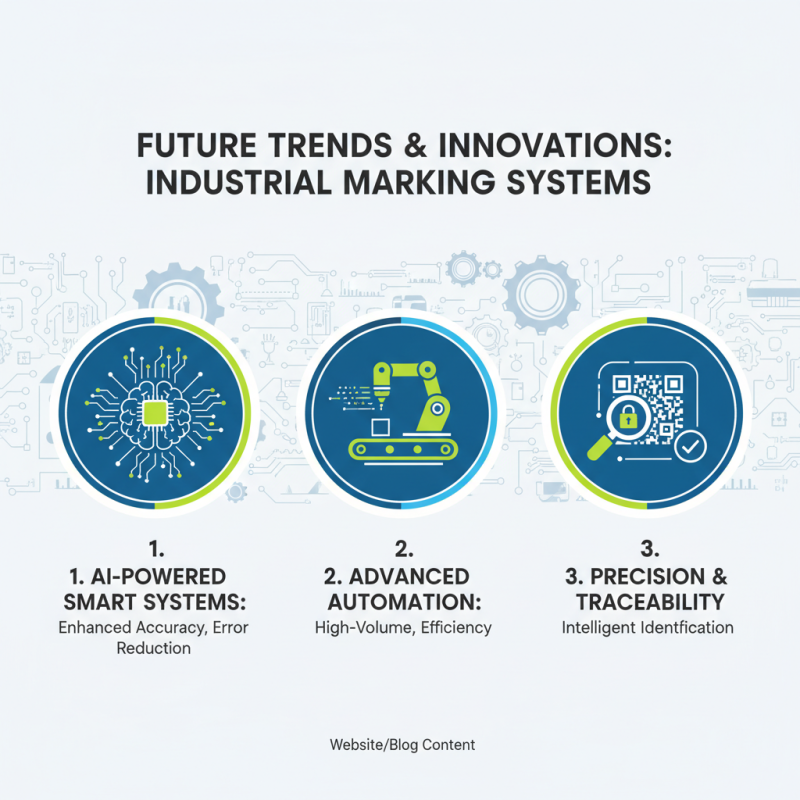
The future of industrial marking systems is rapidly evolving. Advances in technology hint at increased efficiency and precision. One notable trend is the rise of smart marking systems that leverage artificial intelligence. These systems enhance identification processes, ensuring accuracy while reducing errors. Automation is becoming essential. Businesses now rely on automated machinery for high-volume marking tasks.
Moreover, sustainability is becoming a central focus. Eco-friendly materials and energy-efficient processes are gaining traction. Companies are under pressure to minimize waste. Innovative inks and substrates are emerging, promoting environmental responsibility. This drive is reshaping industry practices.
Despite these advancements, challenges remain. Not all industries can adapt at the same pace. Integration of new technologies requires careful planning. Questions about interoperability and maintenance persist. The journey to modernization is complex, calling for continuous reflection on current practices and expectations.