What is a Laser Fiber Marking Machine and How Does It Work?
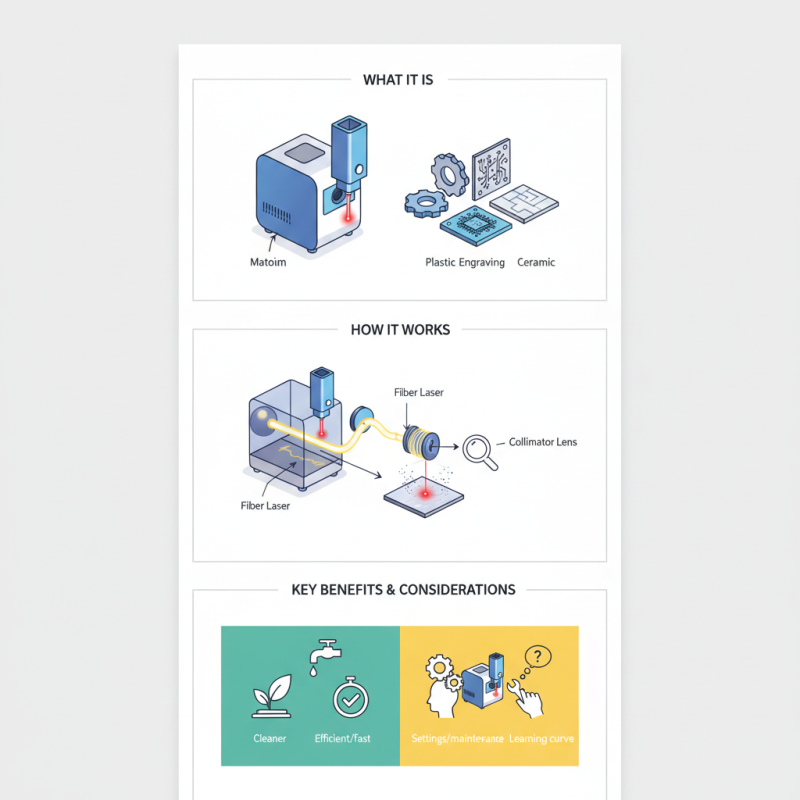
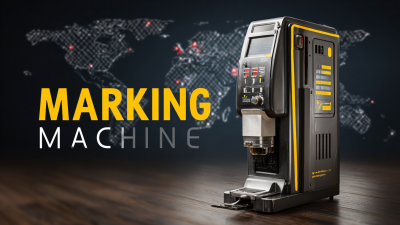
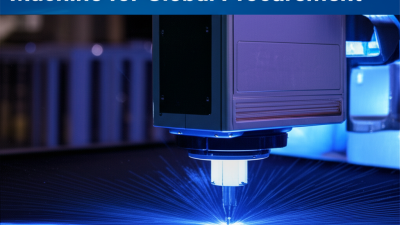
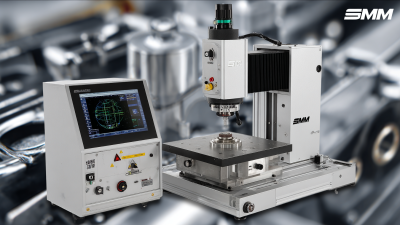
A Laser Fiber Marking Machine is a sophisticated tool used for precise marking on various materials. Its compact design and advanced technology make it popular in many industries. With the ability to etch, engrave, and mark, this machine is versatile and efficient.
This technology utilizes a fiber laser to create deep, lasting marks. The process involves focusing a laser beam onto a surface, altering its properties. It is effective on metals, plastics, and ceramics. The accuracy achieved is often impressive, creating intricate designs or barcodes quickly. Some may find it challenging to master the machine at first.
Laser marking offers a cleaner alternative to traditional methods. The lack of ink or chemicals reduces waste. However, operators must understand settings and maintenance. Learning the machine can be a gradual process. Each application may require adjustment for optimal results.
What is a Laser Fiber Marking Machine?
A laser fiber marking machine is a powerful tool used in various industries for marking, engraving, and coding materials. This technology utilizes a fiber laser to produce a high-quality beam. The process involves focusing this beam on a surface, allowing for precise and permanent markings. Reports indicate that the global laser marking market is expected to grow at a CAGR of over 5% until 2027, highlighting the increasing demand in manufacturing sectors.
These machines are highly versatile. They can work on metals, plastics, and ceramics. The speed of operation can reach up to 7000 mm per second. This efficiency is crucial in high-volume production environments. However, there are nuances. Not all materials respond equally, and achieving the desired quality may require adjustments and testing. For instance, users may need to fine-tune the power settings for different substrates.
Moreover, the initial investment can be substantial. While many businesses recognize the long-term value, not all can justify the costs immediately. Maintenance and operator training are also critical. Misalignment or improper handling can lead to poor marking quality. Some users may overlook these aspects in the rush to leverage technology. With the right setup, fiber laser marking can enhance productivity and product quality significantly.
Laser Fiber Marking Machine Usage in Different Industries
Key Components of a Laser Fiber Marking Machine
A laser fiber marking machine operates using advanced technology. It primarily consists of three key components: the laser source, the beam delivery system, and the marking head. The laser source generates a high-intensity beam. This beam is then transported through fiber optics. This method ensures precise marking on various materials.
The beam delivery system plays a crucial role. It directs the laser beam from the source to the marking head. The quality of the optics in this system directly influences the marking accuracy. Recent studies suggest that nearly 80% of the success in laser marking relies on this system.
Lastly, the marking head contains the optical components that focus the laser beam onto the target material. This final assembly is vital for achieving detailed and permanent marks. Typically, fiber lasers achieve marking speeds ranging from 20 to 100 characters per second, depending on the material. Some operators struggle with adjusting the focal length properly. Small mistakes can lead to inconsistent results. Continuous refinement in user training can enhance overall effectiveness.
How Laser Fiber Marking Technology Works
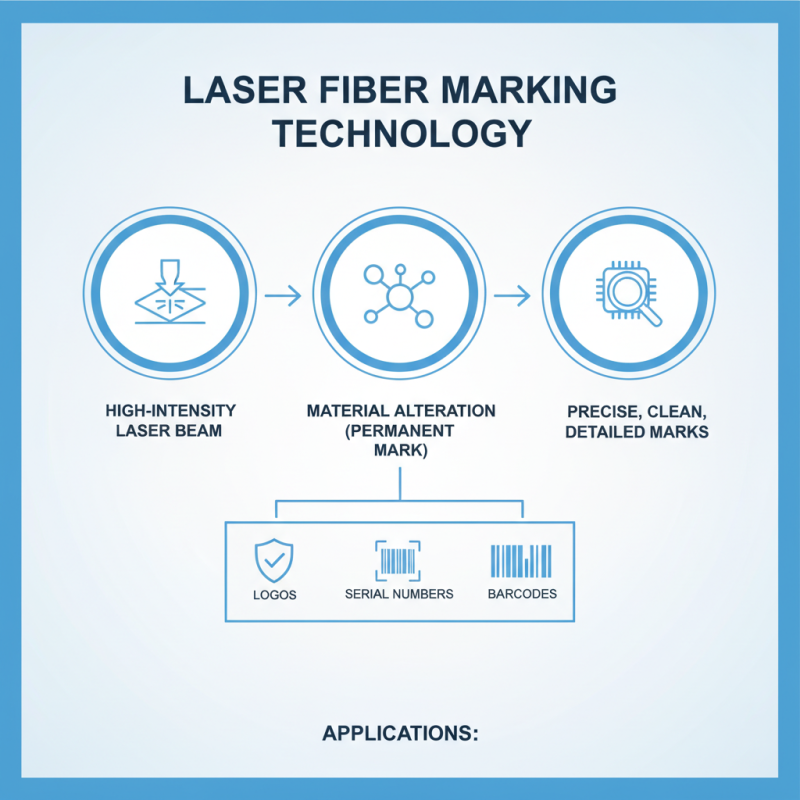
Laser fiber marking technology utilizes high-intensity laser beams to create permanent marks on various materials. The process involves focusing a laser beam on the surface of an object, which alters its material properties. This technique is precise and produces clean, detailed markings. It is commonly used for engraving logos, serial numbers, and barcodes.
The laser generates a concentrated light beam that travels through fiber optic cables. As this beam strikes the surface, it generates heat. This heat vaporizes or melts the material, allowing for the creation of very fine details. The speed of the marking process depends on various factors. These include the material type, the laser’s power, and the depth of the engraving.
Despite its effectiveness, some challenges exist. Not all materials respond well to laser marking. A few may produce undesirable results, such as burns or distortions. Adjustments are often needed for optimal outcomes. This requires experience and sometimes trial and error. The flexibility of laser fiber marking is an advantage. However, it also demands critical assessment and careful planning. The nuances of each project can lead to both successes and reflections on areas for improvement.
Applications of Laser Fiber Marking Machines
Laser fiber marking machines are gaining traction across various industries. Their applications extend beyond mere identification to include complex marking tasks in diverse settings. Precision and speed amplify their appeal. Reports show that the market for laser marking technology is projected to grow significantly. By 2026, it is estimated to reach over $2 billion. This reflects a strong demand for innovative marking solutions.
In the automotive sector, these machines ensure permanent markings on parts. They enable clear identification for tracking, maintenance, and regulations. Another prominent application is in the electronics industry. Here, laser marking helps in coding and branding small components. In both these fields, accuracy is crucial. The rise of IoT has further increased the need for precise identification in smart devices.
Manufacturing is not without challenges. While laser fiber marking machines are effective, issues such as material compatibility persist. Some metals don't respond well to laser applications, leading to unexpected outcomes. This highlights the importance of choosing the right technology for specific tasks. Continuous research and testing are vital to optimize the results.
What is a Laser Fiber Marking Machine and How Does It Work? - Applications of Laser Fiber Marking Machines
| Dimension |
Details |
| Type |
Fiber Laser Marking Machine |
| Wavelength |
1064 nm |
| Marking Speed |
Up to 7000 mm/s |
| Application Materials |
Metal, Plastic, Glass, Leather |
| Power Consumption |
50-100 W |
| Common Uses |
Product Marking, Engraving, Serial Numbering |
| Advantages |
High Precision, Low Maintenance, Fast Processing |
Advantages of Using Laser Fiber Marking Machines
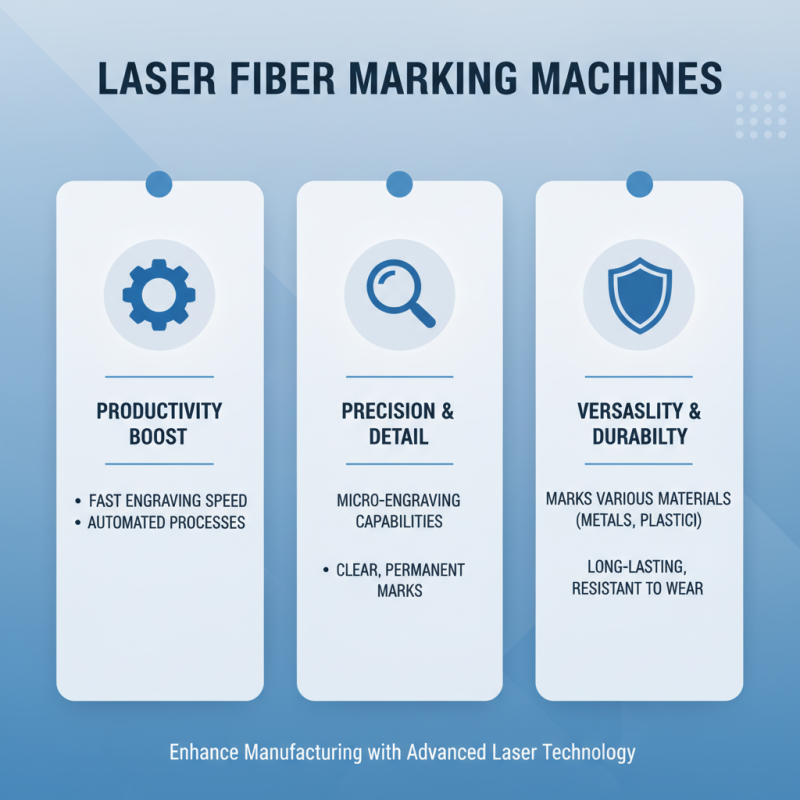
Laser fiber marking machines have gained popularity in various industries. They offer unique advantages that enhance productivity and precision. These machines use laser technology to engrave or mark surfaces, providing clear and detailed results.
One major advantage is speed. Laser marking happens quickly, minimizing downtime in production. This efficiency translates to higher output, benefiting manufacturers. Additionally, the markings are durable, resistant to wear and environmental factors. This durability is essential for parts that undergo harsh conditions.
Tip: Regular maintenance of laser machines is crucial. It ensures long-term performance and prevents unexpected failures. Without proper care, marking quality may decline over time.
Another benefit is versatility. Laser fiber markers can work on a variety of materials like metals, plastics, and glass. This adaptability makes them ideal for different applications. However, users should be cautious about material compatibility. A mismatch can lead to unsatisfactory results.
Tip: Always test a small area before full application. This step will help you avoid costly mistakes. Understanding the specifics of each material can enhance effectiveness.