Why Do We Need a Liquefaction Plant for Natural Gas?
The increasing demand for energy worldwide has led to the need for more efficient methods of natural gas transportation. A Liquefaction Plant plays a critical role in this process. By cooling natural gas to extremely low temperatures, it transforms the gas into a liquid state. This transformation reduces its volume significantly, making it easier to transport over long distances.
However, building and maintaining a Liquefaction Plant comes with challenges. The technology is complex and requires significant investments. Moreover, safety concerns must be addressed carefully. Liquefaction processes are energy-intensive, raising questions about their overall environmental impact. It is essential for stakeholders to consider these factors when planning new facilities.
Despite these challenges, the benefits of a Liquefaction Plant are evident. It enables countries with limited gas pipeline networks to access natural gas. This access can support energy security and economic growth. As the world shifts toward cleaner energy sources, investing in liquefaction technology might be a necessary step. Overall, understanding the importance of these plants is crucial for a sustainable energy future.
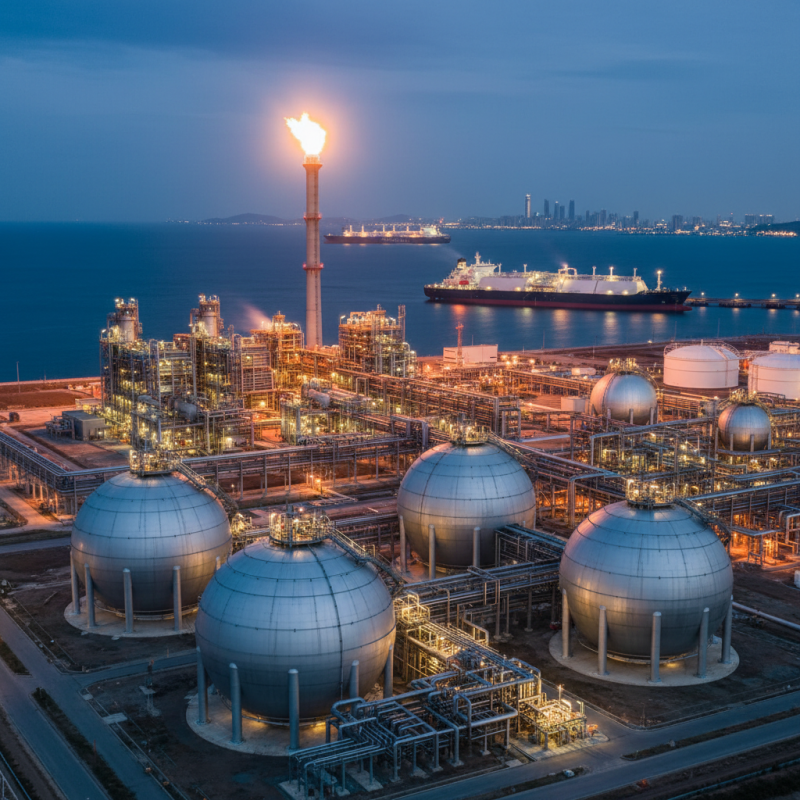
The Role of Liquefaction Plants in Natural Gas Supply Chains
Liquefaction plants play a crucial role in the natural gas supply chain. These facilities convert natural gas into a liquid state for easier storage and transportation. By cooling the gas to extremely low temperatures, it reduces its volume significantly. This process enables more efficient shipping over long distances.
The demand for natural gas has surged globally. Countries import liquefied natural gas (LNG) for energy security and environmental reasons. The presence of liquefaction plants makes this trade possible. However, building and maintaining these plants requires considerable investment and technology. Many regions still lack the infrastructure for LNG.
While liquefaction plants are essential, their environmental impact raises concerns. The energy needed for liquefaction can produce greenhouse gases. Local communities can also experience disruptions during construction. As the industry evolves, there are more calls for sustainable practices. It’s essential to balance efficiency with environmental responsibility.
Understanding the Process of Natural Gas Liquefaction and Its Benefits
The liquefaction of natural gas is essential for effective storage and transport. Liquefaction converts natural gas into a liquid state. This transformation reduces its volume by about 600 times, making it easier and more economical to ship. According to the International Gas Union, global liquefied natural gas (LNG) demand reached 360 million tons in 2022. This trend highlights an increasing reliance on natural gas worldwide.
During the liquefaction process, natural gas is cooled to approximately -162°C. At this temperature, it becomes a colorless, odorless liquid. This method not only facilitates transportation but also allows for exports to regions lacking pipeline infrastructure. A report from the U.S. Energy Information Administration noted that the United States has become one of the largest LNG exporters, meeting about 20% of the global market demand.
**Tip:** Consider the environmental impact of natural gas versus coal. Liquefied natural gas has a lower carbon footprint, making it a preferable option in the transition toward cleaner energy.
However, liquefaction plants require significant capital investment and infrastructure. They can face challenges related to fluctuating supply and demand, making long-term planning vital. Understanding these dynamics ensures informed decision-making for stakeholders. Balancing such complexities can be a daunting task, yet it’s crucial for the industry's growth and sustainability.
**Tip:** Stay updated on LNG market trends to anticipate potential shifts. Awareness can lead to better resource allocation and investment strategies.
Why Do We Need a Liquefaction Plant for Natural Gas? - Understanding the Process of Natural Gas Liquefaction and Its Benefits
| Aspect | Details |
| Definition | The process of cooling natural gas to a liquid state for easier storage and transport. |
| Temperature | Natural gas is typically liquefied at temperatures below -162°C (-260°F). |
| Volume Reduction | Liquefaction reduces the volume of natural gas by approximately 600 times, making it more economical to transport. |
| Transportation | LNG can be transported in specially designed tanker ships, which can access remote markets. |
| Applications | Used for heating, electricity generation, and as fuel for vehicles. |
| Environmental Benefits | Burning LNG produces less CO2 compared to coal and oil, helping in reducing greenhouse gas emissions. |
| Economic Impact | Contributes to job creation in the LNG supply chain and boosts local economies. |
| Safety Measures | Strict safety protocols are followed to prevent leaks and ensure safe transport and storage. |
Market Demand for LNG: Statistics and Future Projections
The demand for liquefied natural gas (LNG) is on the rise. By 2030, it is projected that global LNG demand will increase by over 40%. Countries are seeking cleaner energy alternatives due to environmental concerns. This shift drives the need for more liquefaction plants to meet market demands.
Statistical data indicates that Asia, particularly China and Japan, leads in LNG imports. Their energy needs continue to grow. Europe is also increasing its LNG imports as it seeks energy security. Although projections seem optimistic, challenges exist. Infrastructure limitations and regulatory constraints can hinder expansion.
Investments in liquefaction technology are crucial. However, they require careful planning. Not every location is suitable for a plant, and operational costs can be high. Monitoring environmental impacts is essential. Poor site selection could lead to difficulties that may outweigh benefits. Thus, while the future looks promising, it calls for thoughtful investment and management strategies.
Environmental Considerations in Natural Gas Liquefaction Technology
Natural gas liquefaction technology plays a crucial role in environmentally conscious energy practices. It allows natural gas to be converted into liquefied natural gas (LNG), which is more efficient for transport and storage. According to the International Energy Agency, global LNG demand is projected to grow by over 40% by 2025. This increase indicates both opportunities and challenges for the environment.
While LNG is often viewed as a cleaner alternative to coal, the liquefaction process is energy-intensive. It typically requires significant amounts of electricity and can produce greenhouse gases. For instance, a report from the U.S. Department of Energy highlighted that liquefaction plants could emit 0.5 to 2.5 tons of CO2 per ton of LNG produced. These figures raise questions about the overall carbon footprint of this energy source, especially when comparing it to renewables.
There is also the issue of methane leakage during the production and transportation of natural gas. Methane is a potent greenhouse gas, with over 25 times the warming potential of CO2 over a 100-year period. Reports suggest that emissions from natural gas production sites could be underestimated. A more holistic approach is required to assess the environmental impact of LNG fully. We must balance energy needs with climate goals.
Economic Impacts of Liquefaction Plants on Global Energy Markets
Liquefaction plants play a crucial role in the global energy market. They convert natural gas into liquid form, making it easier for transport. This process allows countries without pipelines to receive natural gas efficiently. The demand for liquefied natural gas (LNG) is increasing, especially in Asia. Countries are improving energy security and diversifying their sources.
However, building these plants can be expensive. They require significant investment and infrastructure. Often, this cost is passed on to consumers. Additionally, some regions face challenges in permitting and construction delays. Environmental concerns also arise, as LNG production may impact local ecosystems.
Despite the hurdles, the economic impacts can be substantial. LNG trade boosts local economies through job creation. It also fosters international relations by linking supply and demand worldwide. More competition can lead to lower prices, benefiting consumers. Balancing these economic advantages with environmental stewardship remains a challenge for policymakers.