What is a Neuro Surgical Drill and How Does It Work?
The neuro surgical drill is a vital tool in modern neurosurgery. It allows surgeons to perform complex procedures with precision. A report by MarketsandMarkets states that the global neurosurgical instrumentation market is projected to reach $12 billion by 2025. This highlights the importance and growth of this field.
Neuro surgical drills operate using advanced technology. They help in the efficient removal of bone or tissue. They are designed to minimize damage to surrounding areas. However, there are challenges. The delicate nature of brain surgeries requires absolute accuracy. A slight error can have significant consequences. It is crucial to ensure user training and adherence to protocols.
As technology evolves, so does the design of neuro surgical drills. Innovations are aimed at improving safety and outcomes. Yet, the reliance on machinery raises questions. How can surgeons balance technology and their expertise? The interplay between human skill and mechanical precision is a continuous area for reflection.
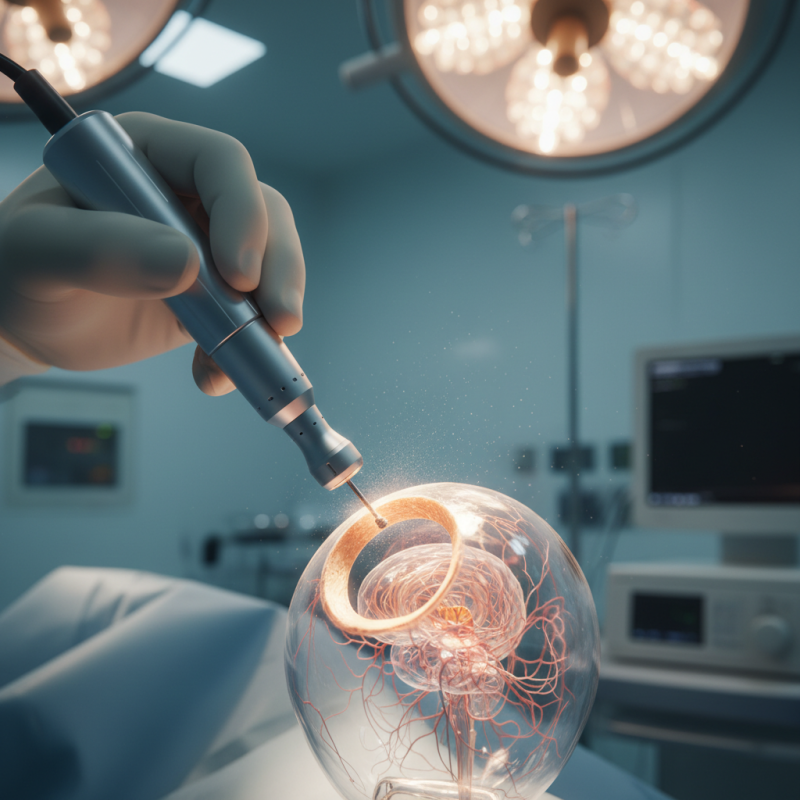
What is a Neuro Surgical Drill and Its Key Components
A neuro surgical drill is a precision tool used in brain surgery. Its primary function is to create openings in skulls for accessing the brain. Each drill is designed with specific features to ensure accuracy and safety. The aspect that defines these drills is their high-speed rotating tips. These tips are typically made from durable materials, allowing for effective penetration into hard skull bones.
Key components of a neuro surgical drill include the motor, drill bits, and cooling systems. The motor powers the drill, allowing it to reach high speeds. Different drill bits serve various purposes, like cutting or grinding. They come in various diameters to accommodate different surgical needs. Cooling systems help dissipate heat generated during the drilling process, protecting brain tissue from damage.
Using such a drill is not without its challenges. Surgeons must be highly skilled to operate them effectively. A slight miscalculation can lead to significant complications. Moreover, maintenance of the drill is crucial for its functioning. If the drill is not properly cared for, it may compromise surgical outcomes. Such risks warrant constant training and evaluation for surgical teams.
Neuro Surgical Drill Performance Metrics
The Mechanism of Action: How Neuro Surgical Drills Operate
Neuro surgical drills are essential tools in the field of neurosurgery. They are designed to precisely remove bone or tissue during procedures. The drill operates using a rotating bit that cuts through cranial bone. Surgeons can adjust speed and pressure for better control. This ensures minimal damage to surrounding areas.
The mechanism behind these drills is fascinating. When activated, the drill rotates at high speeds. This allows it to slice through bone while minimizing heat generation. Excess heat can damage delicate brain tissue. Some drills feature built-in irrigation systems. These systems provide necessary cooling and remove debris.
Surgeons must be careful. Misjudgment during use can lead to severe consequences. The drills require a steady hand and deep understanding. Their effectiveness relies on the operator's skills and experience. Each drill has limitations. Therefore, constant refinement and learning are vital in this domain.
Types of Neuro Surgical Drills: A Comparative Overview
Neuro surgical drills vary in design and function. Each type addresses specific needs in surgery. Some drills are high-speed, while others offer precision. High-speed drills can quickly remove bone. They work well in emergencies but come with risks. Precision drills, on the other hand, allow for meticulous work. They are slower but more controlled.
Another category includes cordless drills. These enhance mobility during procedures. They reduce complications related to cords and provide greater flexibility. Additionally, specialized drills focus on functions like tissue removal. They are crucial in delicate operations but can be tricky to use. Surgeons must adapt their technique to each drill type.
Choosing the right drill is pivotal. Surgeons consider factors such as bone density and surgical site. A mismatch can lead to complications. Learning how to harness each drill's potential is essential. However, it's a continuous process. Experience plays a significant role in mastering these tools. Mistakes happen, and reflection is vital for improvement.
Safety and Precision: The Role of Neuro Surgical Drills in Surgery
Neuro surgical drills play a crucial role in the operating room. These precision tools are designed for delicate procedures, addressing issues like brain tumors or vascular abnormalities. According to the World Medical Association, approximately 15% of surgical complications result from poor tool precision. This highlights the importance of accuracy in neuro surgery.
Safety is paramount. Neuro surgical drills are engineered to minimize trauma. They often feature advanced cooling systems to prevent overheating during extended use. A study published in the Journal of Neurosurgery revealed that these innovations reduced complications by 25% over the past decade. However, potential risks still exist. Surgeons must remain vigilant, as a misplaced drill can lead to severe consequences.
Training is essential for maximizing safety. Proper education on drill operation can lower error rates significantly. Many hospitals report a need for continued education even among experienced surgeons. Awareness of equipment limitations fosters better decision-making in high-pressure situations. This is a key area for improvement in surgical practices. Neuro surgical drills enhance precision but require skilled handling and constant reflection on best practices.
Recent Innovations in Neuro Surgical Drill Technology and Their Benefits
Neuro surgical drills have undergone significant advancements in recent years. Innovations focus on precision and safety. Newer models feature enhanced motor systems. These improvements allow for finer control during delicate procedures. A lighter design also contributes to ease of use. Surgeons can maneuver with reduced fatigue, which is essential during lengthy operations.
Moreover, many modern drills incorporate advanced imaging systems. These systems facilitate real-time feedback. Surgeons can visualize the surgical site better than ever before. This capability minimizes potential errors. However, reliance on technology can sometimes lead to overconfidence. Surgeons must balance technological aid with their skills.
Another exciting development is the integration of robotics. Robotic-assisted drills enhance the accuracy of drilling paths. This technology opens new avenues for complex surgeries. However, the cost and training for these systems can be daunting. Adopting innovations requires careful consideration. Each step must reflect on patient outcomes. Embracing innovation also means ensuring all surgical teams are adequately prepared.
What is a Neuro Surgical Drill and How Does It Work? - Recent Innovations in Neuro Surgical Drill Technology and Their Benefits
| Feature | Description | Innovations | Benefits |
| Precision Control | Allows for accurate drilling in delicate areas of the brain. | Advanced robotics for enhanced stability. | Reduces the risk of damage to surrounding tissues. |
| Minimal Invasiveness | Designed for surgery with smaller incisions. | Use of high-speed drills that generate less heat. | Shorter recovery time for patients. |
| Ergonomic Design | Comfortable for surgeons to use for extended periods. | Lightweight materials for better handling. | Improved surgical outcomes and reduced fatigue. |
| Integrated Imaging | Real-time imaging during procedures. | Augmented reality overlays for navigation. | Enhances accuracy and confidence in the procedure. |
| Battery Operated | Cordless operation for greater freedom of movement. | High-capacity batteries for prolonged use. | Increased flexibility and safety during surgery. |