How to Replace Your Cabin Filter Easily and Effectively?
The Cabin Filter plays a crucial role in vehicle maintenance. Studies indicate that a clean cabin filter can improve air quality inside your car. According to the Environmental Protection Agency, automotive cabin air can be significantly more polluted than outdoor air.
Neglecting to replace this filter can lead to reduced airflow and an unhealthy environment. Many vehicle owners overlook this simple maintenance task. A dirty filter can trap allergens and pollutants, affecting your health and comfort during drives. Reports show that regular replacement can enhance your vehicle's HVAC efficiency. It is easy to forget about this component, but paying attention is essential.
Regular checks and maintenance of the cabin filter are often missed. A recent survey found that over 50% of drivers don't replace their cabin filters annually. This can lead to unpleasant odors and increased engine strain. Making it a part of your routine can significantly benefit your overall driving experience. Taking the time to replace your cabin filter can bring noticeable improvements. This simple task is worth the effort and attention.
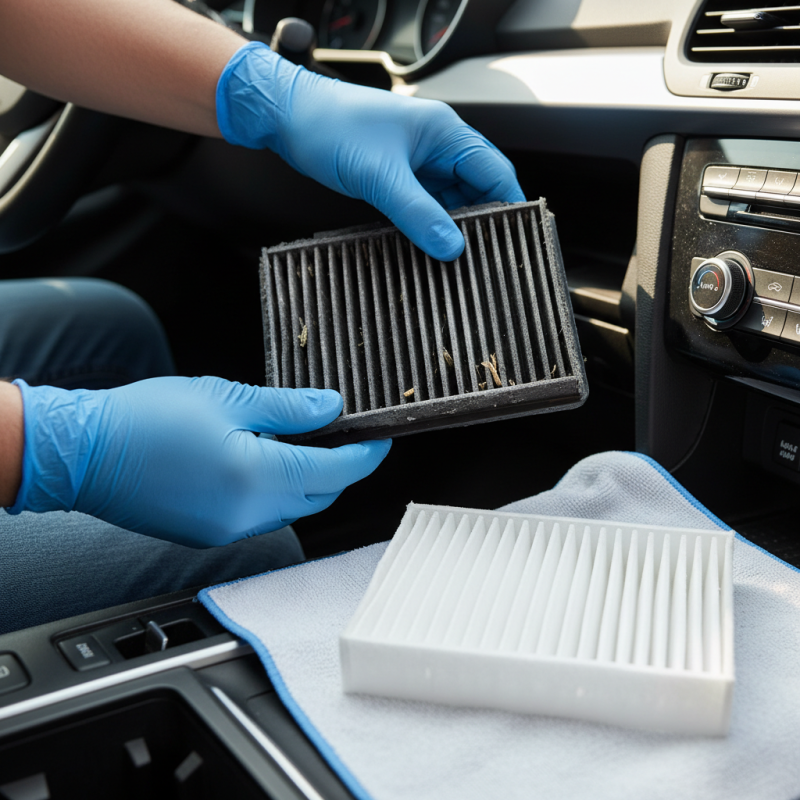
Understanding the Importance of Cabin Filter Replacement for Vehicle Health
The cabin filter plays a critical role in ensuring clean air inside your vehicle. It traps dust, pollen, and other pollutants. Over time, these filters become clogged, reducing air quality. This can lead to unpleasant odors and respiratory issues.
Neglecting to replace your cabin filter can have surprising effects. It may cause your HVAC system to work harder. As a result, you might notice diminished airflow and increased energy consumption. Not to mention, your passengers’ comfort may be compromised.
Regular maintenance of this small component can enhance your driving experience. A clean filter promotes a healthier environment inside the vehicle. Driver focus, comfort, and overall vehicle health can significantly improve. However, many overlook this simple task. Don't be one of them. Keeping fresh air flowing inside your car is crucial.
Common Signs Indicating Your Cabin Filter Needs Replacement
The cabin filter plays a crucial role in your vehicle’s air quality. Here are some common signs that indicate it may need replacement. If you notice a musty smell inside the car, it’s often a red flag. A clogged filter can trap moisture, leading to unpleasant odors. Low air flow from the vents is another sign. If your car's climate control isn’t working well, it could also mean the filter is dirty.
Look out for unusual noises when the air system is running. These can be caused by debris in the filter. Dust and pollen might easily enter through a clogged filter. Frequent allergies or respiratory issues while driving can further signal a need for change.
Tips: Regular inspection is key. Consider checking your cabin filter every six months. Keeping an eye out for debris in the filter can save you headaches later. Ensure that you also look for the required maintenance in your owner’s manual. Taking action early can improve your driving experience immensely.
How to Replace Your Cabin Filter Easily and Effectively? - Common Signs Indicating Your Cabin Filter Needs Replacement
| Sign | Description | Recommended Action | Frequency of Replacement |
| Reduced Air Flow | Decreased cabin airflow when HVAC is running. | Check and replace the cabin filter. | Every 15,000 to 30,000 miles |
| Unpleasant Odors | Strange smells while the air conditioning or heating is on. | Replace the cabin filter and inspect the HVAC system for mold. | Every 15,000 miles |
| Increased Allergy Symptoms | Experiencing more allergic reactions in the car. | Replace the cabin filter to improve air quality. | Every 12,000 to 15,000 miles |
| Dust Accumulation | Seeing dust particles inside the cabin. | Replace the cabin filter to reduce dust entry. | Every 15,000 to 20,000 miles |
Step-by-Step Guide to Locating and Removing Your Cabin Filter
Locating and removing your cabin filter is an important task. It helps maintain air quality inside your vehicle. Start by checking your owner’s manual. It usually indicates filter placement. Typically, the cabin filter is found behind the glove compartment. Sometimes, it could be under the dashboard.
To begin the removal, open the glove box. Empty its contents to avoid mess. Gently push in the sides of the glove box to release it. Once out, you should see the filter cover. Remove this cover carefully. Pay attention to how the filter is seated. You’ll want to install the new filter in the same direction.
Tips: Use a flashlight for better visibility. Dust might fall out when you remove the old filter, so have a vacuum handy. Clean the area where the filter sits to avoid trapping dirt. Sometimes, the process can feel tricky. Double-check everything to ensure proper installation. It takes practice. Don’t worry if your first attempt isn’t perfect; learning helps.
After replacing the filter, close the glove box securely. Take a moment to enjoy the fresh air. It’s a small task but makes a big difference in comfort. Be aware of any unusual sounds or air flow issues after the replacement. Reflecting on this process can help improve future replacements.
Best Practices for Installing the New Cabin Filter Effectively
Installing a new cabin filter can seem daunting, but it doesn't have to be. Start by ensuring you have all the necessary tools on hand. Cleaning gloves, a flashlight, and the new filter are essential. Check your car's manual for the location of the cabin filter. Commonly, it’s found under the dashboard or behind the glove compartment.
When you're ready, remove the old filter carefully. Dust and debris often accumulate and can make a mess. Don't rush this step; take time to clean the area before installing the new filter. Insert the new filter in the same orientation as the old one. It's crucial for proper airflow. Check for any gaps or misalignments. A poorly placed filter can lead to inefficiency.
If the new filter doesn’t fit correctly, reassess; you might have the wrong size. Remember to note any difficulties you encounter. These reflections help improve your technique for next time. Taking the time to ensure everything is perfect can make a difference in air quality. It’s a small effort that leads to a notable improvement in your driving experience.
Cabin Filter Replacement Frequency and Benefits
Recommended Maintenance Schedule for Cabin Filter Replacement in Vehicles
Regular maintenance of your cabin filter is crucial for clean air inside your vehicle. Over time, cabin filters accumulate dust, pollen, and other particulates. This buildup can lead to unpleasant odors and reduced air quality. To keep the air fresh, it's essential to follow a recommended maintenance schedule. Generally, replacing your cabin filter every 12,000 to 15,000 miles is a good practice for many vehicles. However, if you drive in dusty areas or heavy traffic, you might consider changing it more frequently.
When you do replace the cabin filter, check your vehicle's manual for specific instructions. Accessing the cabin filter can be tricky; sometimes, it requires removing several components. Take your time to ensure everything is done correctly. Neglecting this task can lead to issues with your vehicle's HVAC system. Leaving it unchecked for too long might even cause more extensive repairs down the line. It’s good to note how often you perform this task. If it's been forgotten for a while, a simple reminder can help keep your filter change on track. Keeping a maintenance log can be helpful. Regular checks can save time and money in the long run.