What Is a Salinity Meter and How Does It Work?
A Salinity Meter turns an invisible property of water into a reading you can use. William Thomson, Lord Kelvin, the physicist and engineer, wrote: “When you can measure what you are speaking about, and express it in numbers, you know something about it.” His words capture why measurement matters, even though they were not written specifically about salinity meters.
In practice, a Salinity Meter estimates dissolved salt by measuring how readily water conducts electricity. Place its probe in a sample, wait for the reading to settle, and the instrument converts conductivity into a salinity value. A drop of seawater on the sensor can leave residue, while a cold sample may produce a different reading from a warm one. Temperature compensation helps, but it does not replace careful calibration with an appropriate standard.
Small details matter. Rinse the probe between samples, avoid touching its sensing surface, and follow the manufacturer’s instructions. A number on the screen can look precise while still being wrong. That is an uncomfortable point, but useful to remember. Different meter designs, sample conditions, and reporting units can also affect interpretation. This guide explains what a Salinity Meter measures, how its sensing method works, and what to check before trusting a result. It also examines common limitations, because real measurements are rarely as tidy as the display suggests.
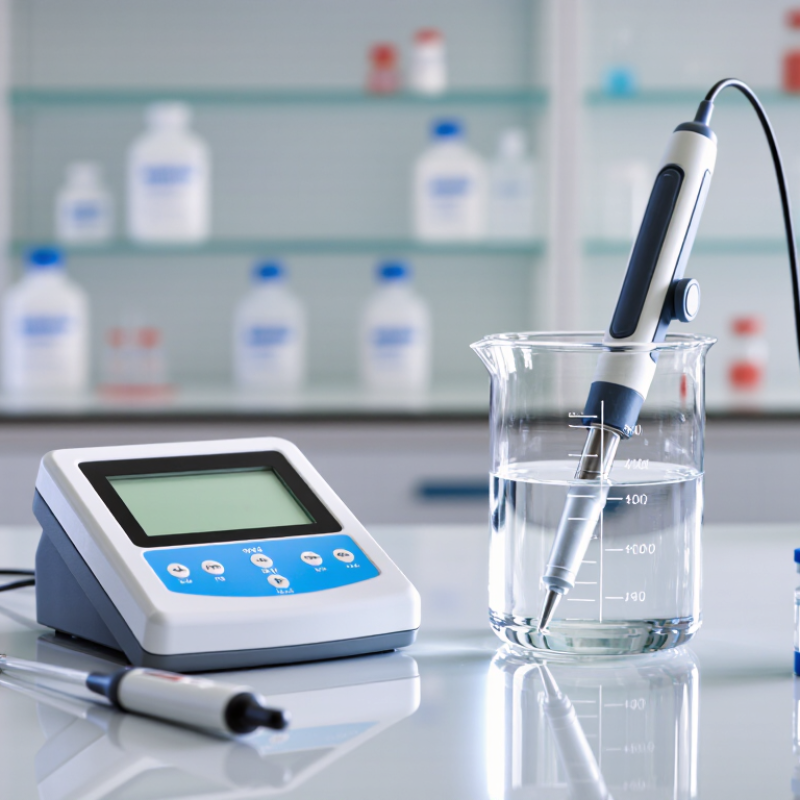
Definition and Purpose of a Salinity Meter
A salinity meter measures how much dissolved salt is present in a liquid, helping users check whether water suits a particular task. Most electronic meters estimate salinity from electrical conductivity: salt ions carry electrical current, and higher conductivity usually indicates more dissolved ions. The device does not directly weigh salt. It converts a conductivity reading, often adjusted for temperature, into a salinity estimate. NOAA describes average ocean salinity as about 35 parts per thousand. Small differences matter.
People use salinity meters to monitor aquaculture ponds, irrigation water, and laboratory samples. In aquaculture, readings help operators keep water within conditions suitable for the species being raised. FAO’s The State of World Fisheries and Aquaculture 2024 reports that aquaculture produced 130.9 million tonnes of aquatic animals in 2022, underscoring the scale of water-dependent production. Still, a meter’s number is not the whole story. Conductivity can reflect other dissolved ions, and poorly calibrated equipment may mislead. Checking calibration with an appropriate standard and recording water temperature makes results more dependable. The estimate can be useful, but its limits deserve attention.
What Is a Salinity Meter and How Does It Work?
Salinity meters estimate the dissolved salt content of water. Most measure electrical conductivity and use temperature-compensated calculations to report salinity.
Illustrative salinity levels in grams per kilogram (approximately parts per thousand): freshwater is typically below 0.5, brackish water is about 0.5–30, seawater averages around 35, and brine is above 50. Values shown are examples, not fixed limits for every sample.
Main Components of a Salinity Meter
A salinity meter usually contains a sensing probe, a temperature sensor, an electronic circuit, and a display. The probe may use two or more electrodes to measure how easily a water sample conducts electricity. Dissolved salts create mobile ions, so higher conductivity often indicates higher salinity. The meter converts that reading using a programmed scale, such as parts per thousand or practical salinity units. It does not directly count salt particles.
Temperature matters. A built-in sensor records the sample’s temperature, allowing the meter to compensate for conductivity changes as water warms or cools. Inside the body, the circuit processes both signals and sends a result to the screen. Some models also include buttons for calibration and unit selection. Small details count: rinse the probe between samples, and keep its electrodes free of residue. A film of dried salt can affect readings. Even careful users may see small variations. Calibration helps, but it cannot fix every sampling mistake.
How a Salinity Meter Detects Salt Concentration
A salinity meter usually detects salt indirectly by measuring how easily water conducts electricity. Dissolved ions, including sodium and chloride, carry electrical charge through the sample. More ions generally mean higher conductivity. The instrument combines that measurement with temperature data and applies a calibration or conversion model to estimate salinity. Small differences matter.
The UNESCO technical paper Algorithms for Computation of Fundamental Properties of Seawater describes the Practical Salinity Scale 1978, which derives practical salinity from conductivity, temperature, and pressure. NOAA reports average ocean salinity at about 35 parts per thousand. That is a useful reference, not a target for every sample: coastal water, aquariums, and freshwater can differ sharply. A reading can also shift if the probe is dirty, bubbles cling to its cell, or temperature compensation is unsuitable. One number may look more certain than the sample deserves.
Tips: Rinse the probe with clean water between samples, then let excess water drain. Calibrate with an appropriate standard, and record sample temperature. If a result seems surprising, repeat the measurement; meters are precise, but not infallible.
Factors That Can Affect Salinity Readings
A salinity meter estimates dissolved salts by measuring how easily an electrical current passes through water. That reading can shift with conditions around the sample. Temperature is a major factor: warmer water usually conducts electricity more readily. Many meters compensate automatically, but the compensation range may be limited. Let the sample reach a stable temperature, and check whether the meter is set to the correct compensation mode.
Calibration and probe condition matter too. Salt residue, fingerprints, or a thin film of oil can change contact between the sensor and water. Rinse the probe with clean water, then gently blot it dry; rubbing may create static or leave fibers behind. Calibrate with a suitable standard solution, and follow the meter’s instructions. Small details matter. An expired or contaminated standard can make a tidy-looking result unreliable.
The sample itself can be uneven. Stir gently, avoid trapped bubbles around the probe, and measure away from sediment or floating debris. Evaporation can also raise salinity, especially in a shallow cup left near a warm window. Record the sample temperature and measurement time when readings need comparison. Even careful measurements may disagree. That difference is worth investigating, rather than smoothing away; repeat the test with a fresh sample and note any changes in handling.