Steel Metal Doors Tips for Choosing the Best Options?
When selecting Steel Metal Doors, it is essential to consider various factors that impact both functionality and aesthetics. Industry reports indicate that over 70% of commercial properties opt for steel doors due to their durability and security features. These doors can withstand harsh weather conditions and resist forced entry, making them a popular choice among business owners.
However, not all steel doors are created equal. The thickness of the metal, insulation properties, and design options can vary significantly. Studies show that a well-insulated steel door can improve energy efficiency by up to 20%. This translates to substantial savings on heating and cooling costs. Homeowners might overlook this, leading to higher energy bills.
Choosing the right Steel Metal Doors involves reflecting on your specific needs. Consider the location, climate, and intended use. Often, people make hasty decisions without adequate research, which can lead to dissatisfaction down the line. Taking time to explore your options is critical for long-term benefits.
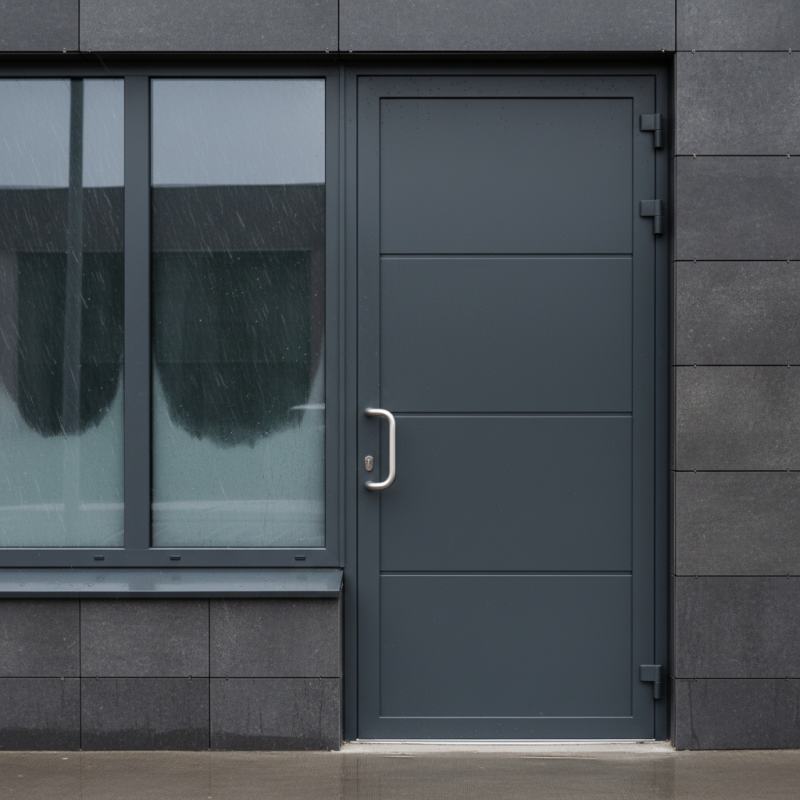
Understanding Different Types of Steel Metal Doors and Their Uses
When choosing steel metal doors, it's crucial to understand the different types available. There are hollow metal doors, which offer durability and security. These doors are often used in commercial buildings. Another common type is insulated steel doors, ideal for energy efficiency and temperature control in industrial settings.
Make sure to consider the door's purpose before making a decision. If security is a priority, opt for reinforced models. If insulation is key, select doors designed for climate control. Pay attention to the door's thickness. A thicker door generally provides better security.
Here are some tips: look for doors with corrosion resistance to ensure longevity. Regular maintenance can prevent rust and extend the door's life. Always check installation requirements to avoid future issues. An ill-fitted door can lead to vulnerabilities. Don’t overlook hardware choices either. The right locks and hinges make a significant difference in overall performance.
Steel Metal Doors Tips for Choosing the Best Options
| Door Type | Material Thickness | Insulation | Security Level | Typical Uses |
| Interior Steel Door | 20-24 gauge | None | Low | Offices, Warehouses |
| Exterior Steel Door | 16-18 gauge | Insulated | High | Entrances, Buildings |
| Fire-Rated Steel Door | 18-20 gauge | Insulated | High | Fire Exits, Commercial Buildings |
| Security Steel Door | 14-16 gauge | None | Very High | Banks, High-Security Areas |
Key Factors Influencing the Selection of Steel Metal Doors
When selecting steel metal doors, several key factors come into play. The door's purpose is fundamental. Are you looking for security, insulation, or aesthetics? Steel doors are known for their durability and strength. However, the style and design should match your property. Consider the surrounding architecture.
Another crucial factor is insulation. Steel doors can vary in insulation properties. Look for options that offer good thermal resistance. This can affect energy efficiency and comfort levels in your space. Think about the climate in your area. Choose doors that can withstand local weather conditions.
Tips for choosing the best steel doors: check the thickness of the steel. Thicker doors often provide better security. Also, consider the finish. A good finish protects against rust and enhances the door's appearance. Ensure the installation process is handled by professionals. Poor installation can negate the benefits of a quality door. Reflect on your needs before making a decision.
Comparing Steel Doors: Gauge Thickness, Insulation, and Durability
When choosing steel doors, gauge thickness, insulation, and durability play critical roles. Steel doors come in various gauges, which indicate thickness. A lower gauge means a thicker door. For example, a 16-gauge steel door is more robust than a 20-gauge door. According to the Steel Door Institute, doors with a thickness of 1.75 inches provide better security and can withstand heavy usage. Thicker doors typically offer improved insulation as well.
Insulation is another vital factor. Steel doors are often filled with foam insulation, which enhances energy efficiency. Reports show that well-insulated steel doors can reduce energy bills by 10–20%. However, not all steel doors have the same insulation properties. Some models may have inadequate sealing, leading to air leaks. Always check the R-value, which indicates insulation effectiveness. A door with a high R-value means better insulation.
Durability matters greatly for commercial and residential uses. Steel doors are resistant to impacts and harsh weather. However, not all doors are created equal. Some may rust over time, especially if not treated properly. According to industry research, poorly maintained steel doors can decrease in lifespan significantly. Evaluating the durability of a steel door should include asking about weather-resistant finishes. A little research can prevent future headaches.
Top Brands and Manufacturers of Steel Metal Doors in the Industry
When choosing steel metal doors, it’s essential to consider reliable brands in the industry. Not all manufacturers are created equal. Some focus on aesthetics, while others prioritize durability. This variance can significantly affect your choice. Look for brands that emphasize high-quality materials. Pay attention to the manufacturing processes they use.
Additionally, customer feedback is a crucial aspect. Some brands receive positive reviews for their security features. Others may excel in insulation. Evaluate the specifications to see which doors meet your needs. It’s okay to feel overwhelmed. There are countless options available. Sometimes, less popular brands offer hidden gems.
Consider energy efficiency ratings as well. Many manufacturers provide energy-saving options, but some may not meet expectations. Remember to ask questions about warranties and support. A well-rounded choice involves balancing cost, design, and functionality. Take the time to research before making a final decision.
Maintenance Tips to Extend the Lifespan of Steel Metal Doors
When choosing steel metal doors, maintenance plays a crucial role in their longevity. Studies show that properly maintained steel doors can last up to 30 years. However, neglecting routine care can shorten this lifespan significantly. Regular inspections are essential. Look for signs of rust, denting, or paint peeling. Address these issues promptly to prevent further damage.
Cleaning is another vital task. Use a mild detergent and soft cloth to wipe surfaces regularly. This helps remove dirt and prevents corrosion. According to industry reports, 70% of door-related issues stem from lack of maintenance. Lubricate hinges and locks every six months to keep them functioning smoothly. Always check the weather stripping. If damaged, replace it to maintain energy efficiency.
Be mindful of environmental factors. Extreme temperatures can impact door integrity. In humid climates, moisture can cause rust. Consider applying a protective sealant every few years. But don’t overlook the importance of using the right type. Some sealants may not be suitable for all steel doors. By paying attention to these details, you can extend the life of your steel doors and ensure they remain a reliable part of your property for years to come.