Why Are Surgical Dressing Pads Used for Wound Care?
Surgical Dressing Pads are designed to cover wounds, absorb drainage, and help shield healing tissue from friction and contamination. They may be used after an operation or for other wounds, with the choice depending on the site, drainage, and care plan. A clean pad resting over an incision can make a practical difference. It is not a cure by itself.
A useful principle, consistent with the work of wound-care researcher Dr. Robert Kirsner, is: “Protect the wound while paying attention to the whole patient.” This is an editorial paraphrase, not a verified verbatim quotation. It points to an important detail: a dressing should suit the wound, but comfort, skin condition, and signs of change matter too. One pad does not fit every wound. Clinicians select materials and change schedules according to individual needs and established care guidance.
This article explores why Surgical Dressing Pads are used, what they do, and what to consider when choosing them. It also distinguishes absorbent pads from dressings intended for other purposes. Readers should follow the instructions of their healthcare professional, especially after surgery. Redness, increasing pain, unusual warmth, or drainage can need prompt clinical attention. Small details matter. Even a well-chosen pad can be applied poorly, and that possibility deserves honest attention. The goal is informed, careful wound protection—not a promise of faster healing.
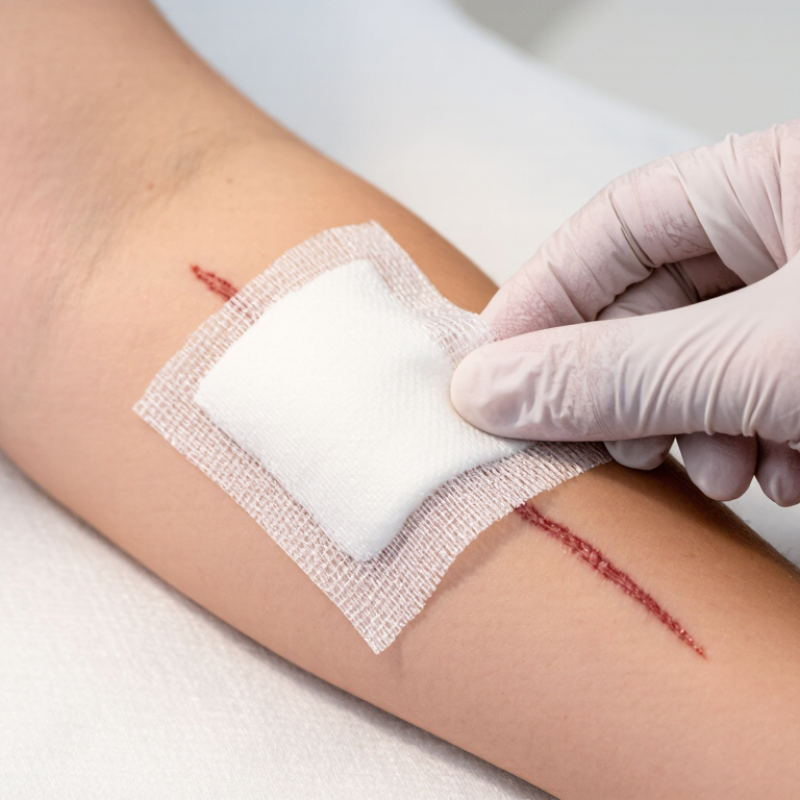
What Surgical Dressing Pads Are and How They Work
Surgical dressing pads are absorbent materials placed over a wound to protect it from dirt, friction, and accidental contact. They may have a soft contact layer and a thicker absorbent center. Some are sterile and individually wrapped; check the packaging before use. Simple, but useful.
A pad works by covering the wound and absorbing blood or other fluid. This helps keep the surrounding skin drier and can make clothing less likely to rub the area. The pad itself does not repair tissue or prevent every infection. Its fit matters: a pad that shifts, sticks, or becomes soaked may irritate the wound. Different wounds need different levels of absorbency, so appearance alone is not a reliable guide.
Tips: Wash your hands before changing a dressing, and follow the care instructions given by a health professional. Replace a wet or dirty pad. If it sticks, do not pull hard; follow appropriate wound-care guidance. Check the wound as you change the pad. Worsening redness, swelling, pain, or discharge deserves medical advice. A neat dressing is helpful, but it is not a substitute for checking how the wound is healing.
Why Are Surgical Dressing Pads Used for Wound Care?
A surgical dressing pad covers a wound and helps manage fluid while protecting the wound surface.
The bars identify common functions, not measured performance or a ranking. Design varies: not every dressing pad includes every feature, and the appropriate dressing depends on the wound and clinical guidance.
How Dressing Pads Protect Wounds from Further Injury
A surgical dressing pad does more than cover a wound. It creates a soft buffer between vulnerable tissue and everyday contact. A sleeve, bedsheet, or seat belt can scrape a fresh incision; padding limits friction and cushions minor knocks. Its absorbent layer draws away blood or wound fluid, reducing wet material against the skin. That matters. A clean pad can also limit casual contact with dust and fingers. It is not a sterile shield once soiled or displaced.
Fit matters. The pad should cover the wound without pressing hard; tight wrapping can irritate fragile skin or restrict circulation. Change it when wet, dirty, loose, or as directed by a clinician. A damp pad left in place may soften nearby skin and cause maceration. Evidence calls for caution, too. A 2016 Cochrane review included 29 trials and 5,718 participants. It found no reliable evidence that one dressing type prevented surgical-site infection better than another. Pads provide practical cushioning and a barrier, but they cannot guarantee infection prevention. Seek clinical advice if pain, redness, swelling, or discharge worsens.
How They Absorb Wound Fluid and Maintain a Healing Environment
Why Are Surgical Dressing Pads Used for Wound Care?
A surgical dressing pad does more than cover an incision. Its absorbent core draws in blood and wound fluid, while the contact layer helps keep the wound from sticking to the dressing. This balance matters. Too much fluid can soften nearby skin; too little moisture may dry the wound surface. A pad is not a cure, and greater absorbency is not always better.
The World Health Organization’s surgical-site infection guidelines recommend covering a closed incision with a sterile dressing for 24–48 hours after surgery. WHO has also reported that surgical-site infections affect about 11% of patients after surgery in low- and middle-income countries. These figures underline why clean handling and wound monitoring matter alongside dressing choice. Keep an eye on it.
Fluid levels change as healing progresses, so a pad that worked on day one may need replacing sooner later. The Cochrane review “Dressings for the Prevention of Surgical Site Infection” found no clear evidence that one dressing type prevents infection better than another. That is a useful caution: absorption supports wound care, but it cannot replace clinical assessment when drainage increases, the skin becomes more painful, or redness spreads.
How They Help Reduce Contamination and Support Recovery
A surgical dressing pad provides a clean barrier between a wound and clothing, hands, or bedding. Its absorbent layers collect blood and wound fluid, helping keep dampness away from surrounding skin. That matters. WHO’s Global Guidelines for the Prevention of Surgical Site Infection report an estimated 11.8 surgical-site infections per 100 patients in low- and middle-income countries. A pad cannot prevent every infection, but careful coverage and handling can limit unnecessary contact with the wound.
For example, a nurse can lift a used pad without dragging it across the incision, then apply a fresh one with clean hands and aseptic technique. The WHO recommends aseptic technique when changing or removing surgical dressings. Patients should follow their care team’s instructions on when to change a pad; changing it too often may disturb healing tissue, while a soaked or loose pad needs prompt attention. Small details count.
Dressing choice also matters less than many people expect. The CDC’s 2017 surgical-site infection guideline makes no recommendation for one specific dressing type on primarily closed incisions. Pads mainly help manage drainage and protect the site; they do not replace wound assessment. Increasing redness, warmth, pain, swelling, or cloudy drainage should be reported to a healthcare professional. Healing is not always tidy. A clean-looking pad alone cannot confirm that a wound is recovering well.
When Different Types of Dressing Pads Are Used
Surgical dressing pads protect wounds, absorb fluid, and reduce friction from clothing or bedding. The right type depends on the wound’s depth, moisture, and surrounding skin. A soft, non-adherent pad suits many clean, shallow wounds because it is less likely to pull at new tissue during removal. For moderate drainage, an absorbent foam pad can help keep the wound surface from becoming soggy.
For heavier drainage, alginate or hydrofiber dressings can absorb more fluid, but they generally need a suitable cover and regular checks. A hydrogel may help add moisture to a dry wound; it is not a good match for a heavily draining one. WHO’s 2016 Global Guidelines for the Prevention of Surgical Site Infection report a pooled rate of 11.8 infections per 100 operations in low- and middle-income countries. That figure describes a broad setting, not an individual wound’s risk. WHO also found no single dressing type proven best for preventing infection. A pad alone cannot treat a wound infection.
Tips: Match the pad to drainage, not habit. Check for leaking, new redness, increasing pain, or a bad smell. Keep it simple. If the wound worsens or the dressing sticks, ask a qualified clinician to reassess it.