Top Auto Parts Bearings Types for Best Performance?
The automotive industry relies heavily on quality Auto Parts Bearings. These components play a crucial role in reducing friction between moving parts, leading to improved performance. A recent market report indicates that the global bearings market is expected to reach $192.5 billion by 2025. This growth highlights the increasing need for durable and efficient bearing types.
Be it radial bearings or thrust bearings, choosing the right type can significantly influence vehicle performance. High-quality Auto Parts Bearings not only enhance speed but also contribute to better fuel efficiency. On the contrary, using subpar bearings could lead to increased wear and tear. This may result in costly repairs and safety issues.
Reflection on the current trends shows a rise in demand for advanced materials. Manufacturers need to pursue innovation while maintaining cost-effectiveness. Addressing this balance remains a challenge. Awareness of eco-friendly options is also on the rise, yet the transition is slow. The industry must adapt to these pressures for sustainable growth.
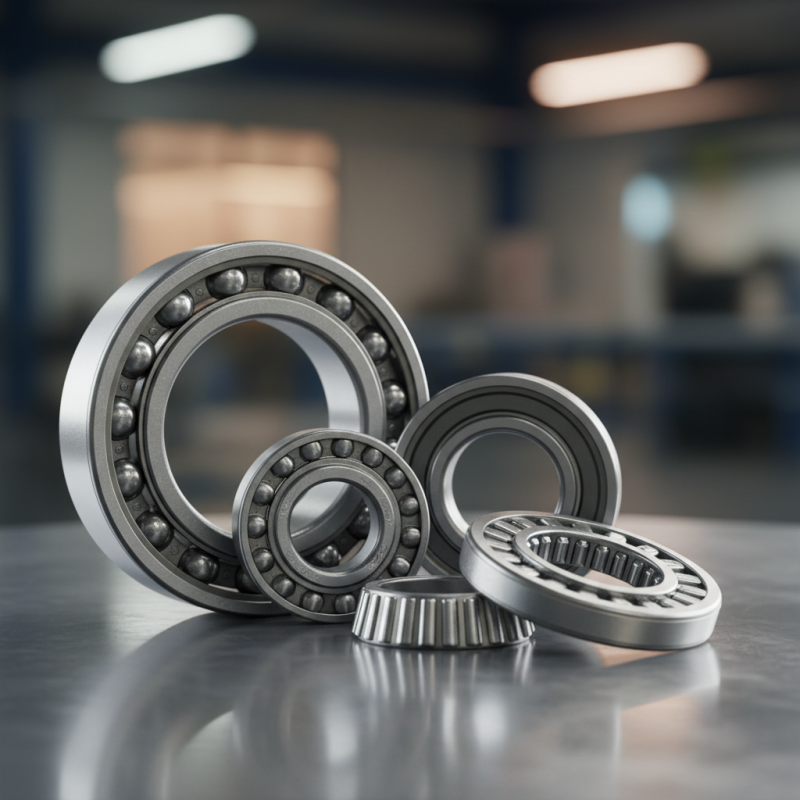
Top Types of Auto Parts Bearings: An Overview of Performance Variants
When it comes to automotive performance, the type of bearings used in parts can make a significant difference. Bearings are crucial for smooth operation and longevity of vehicle components. A recent industry report highlights that approximately 30% of mechanical failures in vehicles are attributed to inadequate bearing performance.
There are various types of auto parts bearings to consider. Tapered roller bearings are designed for high radial and axial loads, making them ideal for wheel hubs. Ball Bearings offer lower friction, suitable for applications like engines. Sleeve bearings, though simple, are effective for reducing wear, particularly in less demanding environments.
**Tips**: Keep an eye on maintenance schedules. Regularly check for signs of wear in your bearings. Practicing proactive maintenance can prevent costly failures. Also, recognize that not all bearings are created equal; it's essential to choose the right type for specific applications. Overlooking the right choice can lead to performance drops and increased repair costs. Make informed decisions and consider expert advice when selecting bearings for optimal performance.
Importance of Material Composition in Bearing Performance Metrics
Bearing performance heavily depends on material composition. Different materials influence heat resistance, load capacity, and lifespan. Steel, ceramic, and polymer are the primary choices. Each material offers unique benefits. For instance, ceramic bearings excel in lower friction and higher speeds. Yet, they can be brittle. Steel bearings are strong but may corrode if not properly treated.
Tips: Always consider the environment. Will the bearings face moisture? Corrosion-resistant materials may be necessary. Evaluate the load conditions as well.
Another aspect is the bearing's design. Simply choosing a type based on specifications may not suffice. Dimensions and load ratings should be thoroughly reviewed. Oversized or undersized bearings can lead to premature failure. Misalignment is another common issue. It often arises from poor installation or incompatible parts.
Tips: Regular maintenance checks can prevent these mistakes. Lubrication plays a critical role too. Too much or too little can dramatically affect performance. Understanding these factors ensures better performance and durability.
Comparative Analysis of Ball Bearings vs. Roller Bearings in Automotive Use
When comparing ball bearings and roller bearings for automotive use, several factors emerge.
Ball bearings are known for their versatility. They perform well in various applications, offering smooth operation at high speeds. The design allows for less friction, resulting in increased efficiency.
However, they may not handle heavy loads as effectively.
On the other hand, roller bearings excel in load-bearing capacity. Their structure distributes the weight over a larger surface area. This makes them suitable for heavy machinery and larger vehicles.
Yet, roller bearings can be bulkier and may generate more friction at high speeds. This characteristic can lead to heat buildup, affecting performance.
Both bearing types have their pros and cons. The decision on which to use often relies on the specific requirements of the vehicle or machinery. Factors such as speed, load, and space constraints play crucial roles. Each option requires careful consideration. Balancing performance against design limits is essential for optimal results.
Key Factors Affecting Bearing Longevity and Reliability in Vehicles
Bearing longevity and reliability play crucial roles in vehicle performance. High-quality auto parts significantly impact how well a vehicle operates. A recent industry report indicates that bearings account for up to 35% of all mechanical failure issues in vehicles. Common factors that affect their lifespan include load conditions, lubrication quality, and environmental exposure. Proper maintenance can mitigate many issues, ensuring smoother operation.
Temperature fluctuations can weaken bearings. For instance, excessive heat can lead to grease breakdown. This reduces the protective qualities of lubrication. It’s essential to monitor bearing temperatures during operation. Vehicles should ideally run at optimal temperatures for peak performance.
**Tips:** Regularly check lubrication levels. Use high-quality lubricants suited for your specific conditions. Delve into bearing installation practices; improper installation can lead to premature failure. Always refer to manufacturing guidelines for the best results. Address minor wear issues before they escalate. Regular inspections can save time and money in the long run.
Trends in Auto Parts Bearing Technology for Enhanced Operational Efficiency
The automotive industry is constantly evolving. Auto parts bearing technology is a significant focus for manufacturers. Enhanced operational efficiency relies on innovative designs and materials. For instance, new hybrid bearings combine ceramic and steel. These offer better wear resistance and reduced friction. The result? Improved vehicle performance over time.
Electric vehicles are pushing the boundaries of bearing technology. With higher speeds and loads, bearings need to endure intense conditions. Weight reduction is another trend. Manufacturers are exploring lightweight materials. This improves fuel economy and reduces energy consumption. Enhancing reliability is crucial too. New testing methods are helping identify potential failures early.
Tips: Regularly inspect your vehicle's bearings. Look for wear or unusual noises. Clean them to prolong life. Consider upgrading if you drive under severe conditions. The right bearing choice can significantly impact performance. Make informed decisions based on your needs. Always stay updated with the latest trends.
Top Auto Parts Bearings Types for Best Performance