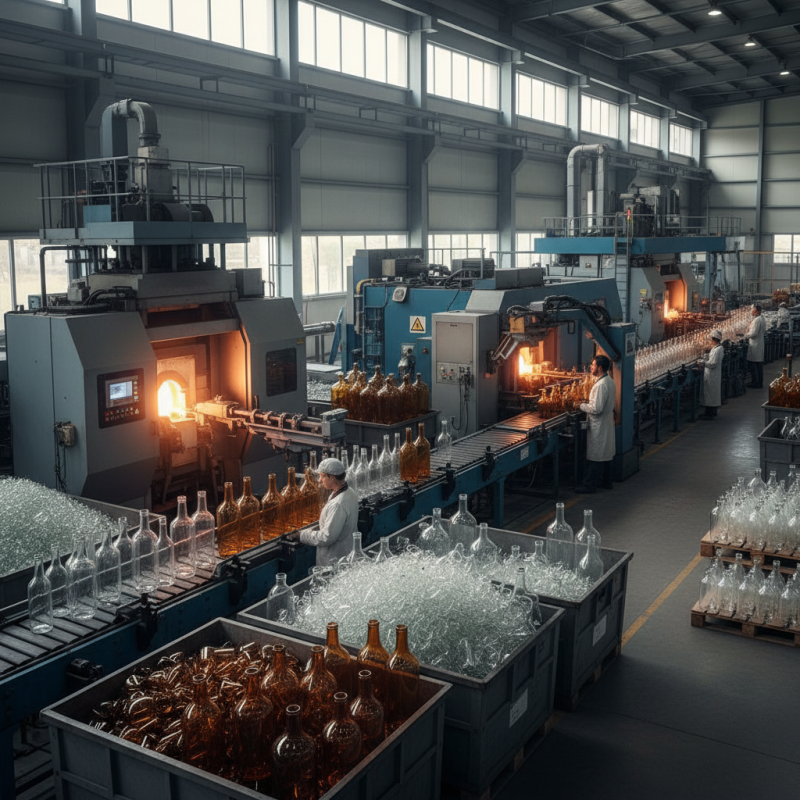
Top Glass Container Manufacturers for Global Buyers in 2026?
The glass container industry is evolving rapidly. As sustainability becomes a priority, more companies are seeking reliable partners. Identifying the top Glass Container Manufacturers is crucial for global buyers in 2026.
These manufacturers play a vital role in various sectors. From food and beverage to pharmaceuticals, glass containers ensure product safety and enhance shelf life. Each manufacturer varies in capabilities and innovation. Understanding their strengths means evaluating quality, efficiency, and design.
Buyers need to reflect on previous suppliers. Were they responsive? Did they meet deadlines? These questions are essential for future partnerships. The right glass container manufacturer can significantly influence brand perception and customer satisfaction. It's a decision worth careful consideration.
Overview of the Global Glass Container Market Trends in 2026
The global glass container market is expected to see significant growth by 2026. Recent industry reports forecast a market size increase of approximately 4.2% CAGR. This growth is fueled by rising consumer preference for eco-friendly packaging options. As environmental awareness rises, companies are adapting their strategies.
Sustainability is becoming a key driver of market trends. Many consumers now prefer glass over plastics due to its recyclability. In fact, nearly 80% of glass containers are recycled, which enhances their appeal. This shift reflects a broader change towards sustainable consumption. Furthermore, advancements in technology are improving production efficiency. Such innovations might lower costs but require a careful balance to maintain quality.
Challenges exist, however. The glass container market faces competition from alternative packaging materials. Additionally, fluctuations in raw material prices could impact manufacturing costs. Companies must navigate these issues while meeting consumer expectations. Striking this balance will be crucial as the market evolves. Understanding these trends can provide valuable insights for stakeholders involved in the glass container industry.
Key Factors Driving Growth in Glass Container Manufacturing
The glass container manufacturing industry is experiencing significant growth. Several key factors are driving this trend. First, there is a growing demand for sustainable packaging solutions. Consumers are becoming increasingly conscious of environmental issues. Glass is favored for its recyclability and lower ecological impact compared to plastic.
Another factor influencing growth is the rise in health consciousness among consumers. Many prefer glass containers for food and beverages due to their inert nature. Glass does not leach harmful chemicals into food. This preference enhances safety and preserves product quality.
Technological advancements also play a crucial role. Innovations in glass production processes improve efficiency and reduce costs. However, challenges persist. Some manufacturers must adapt to changing market dynamics. Balancing production with environmental concerns remains a critical area for improvement. The future of glass container manufacturing requires an ongoing commitment to sustainability and adaptability.
Growth Factors in Glass Container Manufacturing (2026)
Leading Manufacturers of Glass Containers Worldwide
When it comes to glass container manufacturing, numerous global leaders are stepping ahead. These companies focus on both functionality and aesthetics. With a strong emphasis on sustainable practices, they strive to minimize environmental impact. The use of recycled materials is becoming increasingly common in their production processes.
Innovation in design is another crucial aspect. Manufacturers are not only meeting demands but also setting trends. Their offerings include a range of containers for various industries, from food and beverage to pharmaceuticals. Attention to detail in terms of safety and durability adds reliability to their products.
Challenges persist within the industry. Some manufacturers struggle to balance cost efficiency with quality. Additionally, evolving regulations can complicate compliance. Continuous improvement is essential as they adjust to these changes. The landscape of glass container manufacturing is dynamic. Customers benefit from this competition, which drives better products and services.
Innovative Technologies in Glass Container Production
The glass container manufacturing sector is rapidly evolving. Recent studies highlight a significant shift towards innovative technologies. Automation and smart manufacturing processes are increasingly adopted. These technologies enhance production efficiency and quality control. The global glass packaging market is projected to grow at a CAGR of 4.1% from 2021 to 2026. This growth is driven by rising demand for sustainable packaging solutions.
One notable innovation is the use of recycled glass in production. Utilizing recycled materials reduces energy consumption by up to 30%. Additionally, it contributes to lower carbon emissions. Manufacturers are investing in advanced melting technologies as well. These approaches enhance the quality of the glass produced while reducing raw material waste. However, the industry faces challenges. The sourcing of quality recycled materials can be inconsistent.
Moreover, smart technology integration is gaining traction. Real-time monitoring systems are becoming crucial for quality assurance. They help identify defects early in the production process. While these advancements present opportunities, they also require significant investment. Companies must weigh the risks and benefits of adopting these new technologies. The glass container industry stands at a crossroads. Embracing innovation is essential for sustaining growth. Yet, the pursuit of efficiency must not compromise quality.
Sustainability Practices Among Top Glass Container Producers
Sustainability is becoming a cornerstone for glass container manufacturers. By 2026, industry reports predict a significant shift towards eco-friendly practices. Many producers are adopting circular economy principles. This approach emphasizes recycling and resource efficiency. Approximately 80% of glass can be recycled without losing quality. This aspect is crucial in reducing waste.
Innovative techniques are being embraced by glass container producers. A recent study indicated that energy consumption in manufacturing has decreased by 30% over the past decade. More companies are investing in renewable energy sources. These efforts align with market trends favoring sustainability. However, challenges remain. Not all producers adhere to sustainable practices. Transparency in sourcing materials is often lacking. Buyers should demand better accountability from suppliers.
Sustainable packaging is defined by more than just materials. It includes the entire life cycle of the product. While many manufacturers showcase their green initiatives, the actual implementation can vary. Current data suggests that only 50% of brands actively report their sustainability metrics. Buyers are encouraged to research suppliers thoroughly. The demand for greener options will likely shape the industry's future.