Top 10 Packing Machines You Need to Know for Your Business?
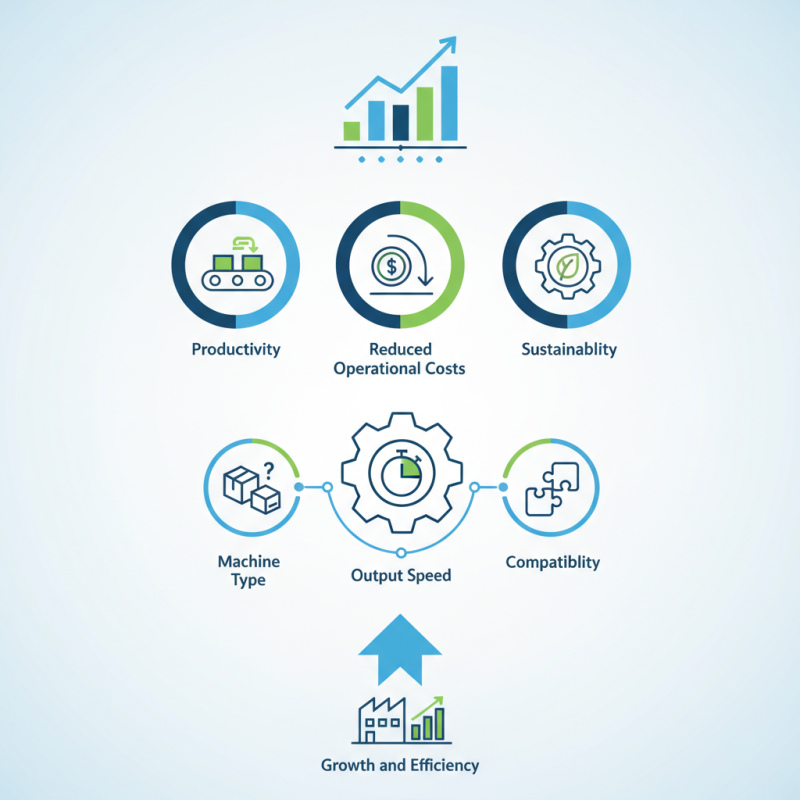
In the competitive landscape of modern business, the choice of Packing machines can make a significant difference. According to the latest report from Smithers Pira, the global packing machine market is projected to reach $45 billion by 2025. This underscores the critical role that efficient packing solutions play in boosting productivity and reducing operational costs.
Expert Tom Johnson, a leading authority in packaging technology, states, "Investing in the right packing machine can transform your production line." His insights emphasize the importance of selecting machines that align with your specific needs. The right packing machine not only enhances efficiency but can also improve the sustainability of operations.
However, with numerous options available, selecting the best packing machine can be overwhelming. Factors such as machine type, output speed, and compatibility with existing processes must be considered. Businesses often overlook these aspects, leading to costly mistakes. Thus, understanding your requirements is vital for making informed choices that propel growth and efficiency.
Top 10 Packing Machines Revolutionizing the Packaging Industry
The packaging industry is evolving rapidly, driven by innovation and technology. In 2023, the global packaging machinery market was valued at approximately $50 billion, with an anticipated growth of 5% each year. This growth is fueled by advancements in automation, efficiency, and versatility of packing machines.
Recent data highlights the impact of automated packing solutions. Automated machines can increase productivity by up to 40%. These systems minimize human error and improve accuracy in packaging. For example, robotic arms are now capable of packing products at incredible speeds, often surpassing manual labor rates. This not only optimizes operations but also offers long-term cost savings.
However, the transition to advanced packing machinery is not without challenges. Businesses must invest in training their staff to operate new technologies effectively. Many companies report a skills gap in handling sophisticated equipment, leading to underutilization. Moreover, integrating new packing machines into existing systems can require careful planning and resources. Despite these hurdles, embracing innovation can significantly enhance competitiveness in the packaging market.
Industry Trends: Growth of Automated Packing Machines in 2023
The rise of automated packing machines has transformed various industries in 2023. Businesses are increasingly adopting these technologies to enhance efficiency. This trend reflects a broader shift towards automation, driven by the need for speed and accuracy.
Data shows that automated machines can reduce labor costs significantly. They also minimize human error in packing processes. However, not all businesses are ready for this change. Small manufacturers often struggle with the initial investment. There's a need for careful planning to integrate these systems effectively.
User experience remains a priority. Automation should complement the existing workflow. Training staff on new machines can present challenges. Companies need to prioritize employee feedback to improve the process. This balance is crucial for successful adoption in a tech-driven environment.
Top 10 Packing Machines You Need to Know for Your Business
| Machine Type | Automation Level | Speed (packages/hr) | Material Compatibility | Key Features |
| Vertical Form Fill Seal | Fully Automated | 60-200 | Film, Pouches | Compact design, quick changeovers |
| Case Packing Machine | Semi-Automated | 30-120 | Cartons, Boxes | Flexible sizes, user-friendly |
| Shrink Wrap Machine | Fully Automated | 50-150 | Various materials | Efficient, reduces waste |
| Labeling Machine | Fully Automated | 100-300 | Bottles, Jars | High-speed, precise labeling |
| Palletizer | Fully Automated | 18-40 | Boxes, Bags | Increases efficiency, reduces labor |
| Fillers | Semi-Automated | 30-100 | Liquids, Powders | Versatile, easy calibration |
| Strapping Machine | Fully Automated | 50-200 | Cartons, Pallets | Durable strapping, improves stability |
| Box Erector | Fully Automated | 20-80 | Flat Box Sheets | Rapid setup, reduces manual labor |
| Carton Sealer | Semi-Automated | 30-120 | Corrugated Boxes | Quick sealing, compatible with various box sizes |
| Wrapping Machines | Fully Automated | 100-300 | Various products | Consistent wrapping, reduces product damage |
Key Features: What to Look for in Advanced Packing Machines
When considering advanced packing machines for your business, focus on key features that enhance efficiency and productivity. Look for machines with automation capabilities. High-speed operations can significantly reduce time spent on packing. Efficiency is crucial in today’s fast-paced market. Consider machines that offer adjustable settings for different product sizes. This versatility can save you from purchasing multiple machines.
Tips: Assess the maintenance needs of each machine. Some models require frequent servicing, while others are more durable. This can affect your long-term costs. Ensure that the machines come with user-friendly interfaces. Complex controls can lead to errors and wasted materials.
Another important feature is the ability to integrate with other systems. A machine that syncs with inventory or order management software can streamline operations. Look for machines with built-in sensors. These can detect errors in packing, ensuring quality control. Yet, not all machines provide consistent performance. Regular testing is essential to identify any issues early on. Choose machines that come with robust customer support for troubleshooting and training.
Comparative Analysis: Efficiency of Different Packing Machine Types
In today's fast-paced market, selecting the right packing machines is crucial for operational efficiency. A comparative analysis shows that automated packing systems can enhance productivity by up to 30%. In contrast, semi-automated machines often lead to slower operations and higher labor costs. According to industry reports, companies that invest in fully automated solutions see a significant reduction in material waste, maximizing resource utilization.
Different packing machine types cater to varying needs. For instance, vertical form-fill-seal machines are ideal for products with small dimensions. They offer high-speed packaging with minimal footprint. Conversely, case packing machines excel in larger operations, providing robust solutions for shipping purposes. However, integrating such systems requires precise alignment with existing workflows to avoid disruptions.
Data indicates that the efficiency of packing machines heavily relies on their adaptability. Businesses often struggle with outdated technology, which can complicate scaling efforts. A study found that almost 40% of companies face challenges due to equipment limitations. The evolution of packing machines involves choices that can deeply influence operational capacity and costs. Organizations must carefully assess their specific needs to avoid pitfalls planted by unoptimized processes.
Cost-Benefit Evaluation: ROI of Investing in Packing Technology
Investing in packing technology can significantly impact your business's bottom line. A cost-benefit evaluation of packing machines reveals potential advantages. While upfront costs can be daunting, the long-term savings are often worth the expenditure. For instance, automated packing systems can reduce labor costs, minimize handling errors, and increase efficiency. Time saved translates into more productivity.
However, it’s not just about numbers. Implementing new technology requires careful consideration. Some businesses struggle with training employees to use new machines effectively. Transitioning from manual to automated processes can cause temporary disruptions. It’s important to weigh these challenges. Consider the learning curve and possible downtime when evaluating ROI.
Additionally, compatible packing materials and machine specifications matter. Not all machines fit every type of product. Investing in the wrong technology might lead to further costs. Research and testing can mitigate such risks. Realizing these factors early can ensure a smoother integration. This boosts both efficiency and profit margins in the long run.
Cost-Benefit Evaluation: ROI of Investing in Packing Technology