Top 10 Tips for Choosing the Best Lamination Machine?
In the fast-evolving world of packaging and printing, choosing the right Lamination Machine is crucial for ensuring quality and durability. According to a report by Smithers Pira, the global demand for lamination equipment is expected to grow by 5% annually, emphasizing the importance of making informed decisions. Industry expert, Sarah Thompson, states, “Investing in the right Lamination Machine can significantly impact production efficiency and product longevity.”
Selecting a lamination machine involves several key factors such as speed, capacity, and ease of use. For instance, understanding the types of lamination processes can help businesses choose machines suited for specific applications. Many users overlook essential details, like the thickness of the film, which can affect lamination quality. Lamentably, this oversight can lead to increased costs and wasted materials.
While it may seem straightforward, the selection process can be daunting due to the variety of options available. Professionals often debate between different brands and models, leading to confusion. It's essential to reflect on your specific needs and avoid the temptation to simply follow trends without proper evaluation. Choosing wisely ensures that your investment in a Lamination Machine brings long-term benefits.
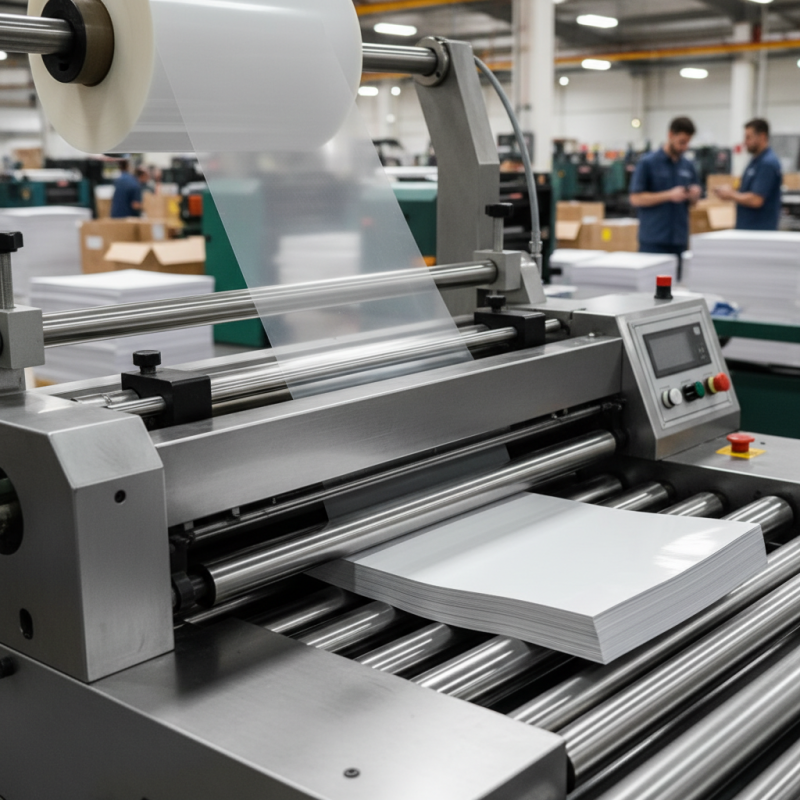
Understanding Different Types of Lamination Machines Available
When choosing a lamination machine, it’s essential to understand the types available. There are hot lamination machines and cold lamination machines. Hot machines use heat to seal the laminate, providing a strong bond. Cold machines use pressure instead, which can be safer for heat-sensitive items. It is important to assess the materials you will be working with before making a decision.
Consider the volume of lamination you need to do. Smaller machines are great for occasional use. However, if you plan to laminate frequently, a more robust model may be better. You may encounter issues with slower machines, especially during busy periods. The output speed can be a critical factor.
When researching your options, take note of the features. Some machines come with adjustable temperature settings. Others have different size options for lamination pouches. Look for machines with user-friendly designs to avoid frustration during operation. Don't forget to read user reviews; they could save you from a regrettable purchase. Balancing your needs with available options can be tricky, but thorough research pays off.
Key Features to Look for in a Quality Lamination Machine
When selecting a lamination machine, several key features can significantly enhance your experience. First, consider the heating mechanism. Machines with heat settings allow for better adaptation to different materials. A study by the Lamination Industry Association shows that machines with adjustable temperature settings can improve lamination quality by 30%. This is especially crucial for projects requiring various film thicknesses.
Another essential feature is the speed of operation. A machine that can laminate quickly without sacrificing quality is invaluable. Research indicates that faster machines can increase productivity by up to 25%. However, speed should not compromise the finish of your documents; observing performance under variable loads can reveal limitations. Additionally, take note of the entry width and thickness capacity. Many users overlook this detail, leading to frustration when trying to laminate larger items.
User-friendly controls are vital. Machines with intuitive control panels reduce the learning curve. Yet, some may find the complexity of features overwhelming. Look for models that have a balance between advanced settings and usability. Lastly, pay attention to the weight and portability. A heavier machine often indicates durability but could limit mobility. Striking the right balance is crucial for your workspace needs.
Top 10 Tips for Choosing the Best Lamination Machine
| Feature | Importance | Recommended Specs | Notes |
| Laminating Speed | High speed for efficiency | 12-15 feet per minute | Consider workload |
| Lamination Thickness | Versatility for different projects | 3-10 mil | Check compatible pouch thickness |
| Auto Shut-off | Safety feature | Yes | Energy-saving |
| Heat-up Time | Quick readiness for use | 3-5 minutes | Less waiting time |
| Cold Lamination Option | For heat-sensitive materials | Yes | Versatile usage |
| Size of the Machine | Space considerations | Compact to extra-large | Choose based on workspace |
| User Interface | Ease of use | Digital controls preferable | Operational comfort |
| Warranty | Long-term investment protection | 2-5 years | Check terms |
| Customer Reviews | Insight on performance | Look for high ratings | Read for specific issues |
| Price Range | Budget consideration | $100 - $1000+ | Assess value for features |
Assessing Your Specific Laminating Needs and Applications
When choosing the best lamination machine, it's crucial to assess your specific laminating needs and applications. Consider the types of materials you frequently use. Are they paper, photos, or something thicker? This will influence the type of machine you need. Different machines cater to varied thicknesses and lamination finishes. If you mainly work with standard paper, a basic model might suffice. But for professional-grade photo lamination, opt for something more robust.
Next, think about the volume of work. For small projects, a handheld or compact model could do the trick. Larger businesses or schools may need a high-capacity laminator. Also, evaluate features like speed and ease of use. Some machines heat up quickly while others take time. Reflect on how much you value time versus cost. It’s common to struggle with this balance. A cheaper model might save money but could lead to frustration during busy periods.
Finally, don't forget to consider the warranty and customer support. These factors are often overlooked but can be very important in a long-term investment.
Evaluating Budget and Cost-Effectiveness of Lamination Equipment
When choosing a lamination machine, cost-effectiveness is crucial. Research indicates that businesses often spend between $300 to $1,000 on affordable options. But do these machines deliver value for money? A report by the Print Industry Association indicates that 70% of users are dissatisfied with their initial purchase. This dissatisfaction often stems from underestimating long-term costs, such as maintenance and supplies.
Evaluate the machine’s features carefully. Look for models that offer versatility but don’t compromise on essential functions. Low-cost machines may save you money upfront, but they can lead to higher operating costs. Users should look for machines that have durable construction. This can significantly reduce repair expenses. Additionally, always consider the cost of consumables. A study found that 50% of budget overruns come from unexpected supply needs.
Investing in a reliable machine can cut down future costs. Think about your lamination needs over the next few years. A higher initial investment might pay off later. Checking customer reviews can provide insight into long-term satisfaction. The right choice can enhance your productivity and ultimately lower your costs. Be mindful of choosing wisely to avoid pitfalls that many before you have faced.
Top 10 Tips for Choosing the Best Lamination Machine
Reading Reviews and Recommendations for Reliable Brands and Models
When selecting a lamination machine, reading reviews and recommendations can be invaluable. Many buyers rely on the voices of experienced users. A study by the Association of Professional Laminators revealed that 83% of consumers consider reviews before purchasing. Reliable feedback can help you navigate different models and features.
Consider what users say about durability and performance. Machines with strong motors and high-temperature settings often receive better ratings. Many reviews highlight issues with overheating or jamming. These unresolved problems can lead to frustration and wasted materials.
Tip 1: Look for models that balance cost and functionality. Remember, cheaper isn't always better. A higher price may reflect better build quality and longevity.
Tip 2: Seek units that are easy to use and maintain. Some users report complex setups as a significant deterrent. A few machines come with extensive user manuals, making them appealing.
Even the most recommended models have drawbacks. Some users might love the speed but complain about film quality. It's crucial to weigh these insights against your specific needs. A thorough evaluation can reveal what you might overlook.