What is a Valve DC Gear Motor and How Does It Work?
The Valve DC Gear Motor is a crucial component in numerous applications, particularly in automation and robotics. According to a 2022 report by Global Market Insights, the demand for DC gear motors is expected to grow by over 8% annually owing to advancements in technology. This motor type is engineered to convert electrical energy into mechanical power efficiently.
Dr. James Hart, a respected expert in motor technology, once stated, “The precision and adaptability of the Valve DC Gear Motor enable it to meet diverse industry needs.” His words highlight the motor's essential role in various mechanical systems. The ability of these motors to provide accurate rotational movements is vital in sectors like manufacturing and automotive.
However, challenges exist. The complexity of design can lead to inefficiencies if not optimized correctly. Moreover, the trade-off between size and strength remains a significant concern for engineers. Understanding these factors is crucial for leveraging the full potential of the Valve DC Gear Motor in real-world applications.
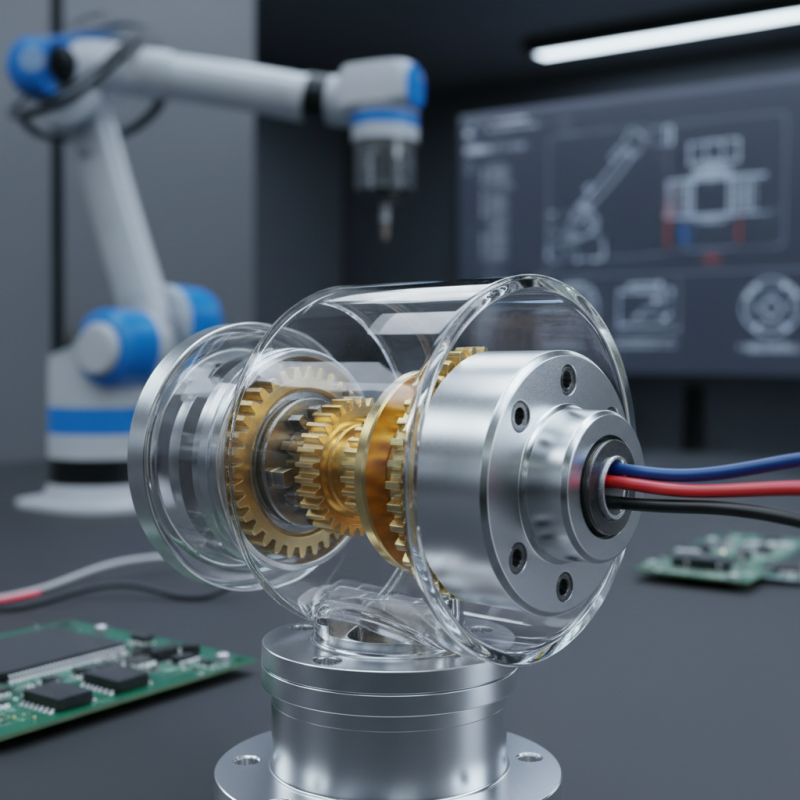
What is a Valve DC Gear Motor?
A Valve DC Gear Motor is a specialized device that combines a direct current (DC) motor with a gear system. This combination allows for different levels of torque and speed adjustments, making it versatile for various applications. The gear system decreases the motor's speed while increasing torque, providing powerful movement for devices that need precise control.
The construction of a Valve DC Gear Motor typically involves a gearbox attached to a standard DC motor. The gearbox has different gear ratios, influencing the output speed and torque. These motors are found in many industries, from robotics to automotive applications, where precise valve control is required. Despite their effectiveness, they can be challenging to work with.
It's crucial to consider the motor’s specifications and how they fit into your project needs. Will the torque be sufficient? Is the speed adequate? Realizing that mistakes can happen during selection is important. Users may overlook efficiency ratings or miscalculate the required output, leading to potential failures. Understanding these aspects is key to making informed decisions about a Valve DC Gear Motor.
Basic Components of a Valve DC Gear Motor
A valve DC gear motor consists of several key components. The motor itself converts electrical energy into mechanical energy. This is where the magic begins, as it drives the gear mechanism. The gear mechanism reduces the motor's speed while increasing torque. This is crucial for applications requiring precise control and strength.
The motor casing protects its interior. It also houses essential parts, like the rotor and stator. The rotor rotates, while the stator remains stationary. The interaction between them generates motion. Gears, usually made of metal or plastic, transfer this motion effectively. They come in various sizes and shapes. This diversity allows for flexibility in design.
Lastly, the valve mechanism is critical. It controls fluid flow based on the motor's rotation. The valve opens or closes as the motor turns. This precise action is vital in hydraulic and pneumatic systems. A well-designed valve DC gear motor can enhance efficiency. Yet, if not calibrated correctly, it may lead to performance issues. Learning from these imperfections can improve future designs.
What is a Valve DC Gear Motor and How Does It Work? - Basic Components of a Valve DC Gear Motor
| Component | Description | Function |
| DC Motor | A type of electric motor that runs on direct current (DC). | Converts electrical energy into mechanical energy. |
| Gearbox | A mechanical device that increases torque and reduces speed. | Transfers motor power to the output shaft efficiently. |
| Shaft | A rotating component that transmits mechanical power. | Acts as the output for the gearmotor. |
| Bearings | Components that reduce friction between the moving parts. | Ensures smooth operation and longevity of the motor. |
| End Cap | The component that holds all parts of the motor together. | Provides structural integrity and protection for internal components. |
How Does a Valve DC Gear Motor Operate?
A Valve DC Gear Motor operates by integrating a direct current (DC) motor with a gearbox. This combination allows for precise control of torque and speed. The gearbox reduces the motor’s speed while increasing its torque, providing the necessary strength for opening and closing valves. According to recent industry reports, these motors are essential in applications ranging from robotics to manufacturing.
The motor functions by converting electrical energy into mechanical energy. When power is supplied, the motor's rotor spins. The attached gearbox utilizes gears to modify this rotation. In many applications, this can mean the difference between reliable operation and failure. More than 15% of mechanical failures occur due to improper motor functions. Thus, ensuring optimal performance in valve operations is critical.
In addition, the design of a Valve DC Gear Motor can lead to inefficiencies. For example, a poorly matched gearbox can introduce unnecessary friction. This not only wastes energy but may also compromise function. Data suggests that optimizing gear ratios could enhance performance in up to 30% of cases. Regular assessments of motor performance are essential for preventing breakdowns and improving efficiency over time.
Applications of Valve DC Gear Motors in Industry
Valve DC gear motors are widely utilized across various industries. These motors convert electrical energy into mechanical movement. They play a crucial role in applications like automation and robotics. In manufacturing, for instance, they enable precise actuation of valves. According to a recent market analysis, the industrial automation sector is expected to grow by over 10% annually. Such growth highlights the increasing reliance on efficient actuation systems.
In the automotive industry, valve DC gear motors assist in the control of engine components. They enhance fuel efficiency and reduce emissions. Reports indicate that nearly 30% of new vehicles include some form of motorized valve actuation. This trend reflects a shift towards more sophisticated technology in vehicle design. However, the cost of these components can be significant, leading to dilemmas in budget allocation for manufacturers.
Another common application is in HVAC systems, where these motors control air dampers. This control is vital for maintaining indoor air quality and energy efficiency. According to industry studies, improper valve control can lead to energy wastage of up to 20%. Such figures provoke thoughts on optimizing systems. Despite their benefits, the initial investment and maintenance costs can deter some companies from fully embracing this technology.
Benefits of Using Valve DC Gear Motors in Mechanisms
Valve DC gear motors are essential in many applications. Their compact design offers flexibility in various mechanisms. These motors convert electrical energy into mechanical motion, providing precise control over speed and torque. This efficiency can enhance performance in robotic systems, automation, and more.
Using Valve DC gear motors brings several benefits. They enable smoother movements and reduce vibrations. The built-in gear reduction allows for stronger torque in a smaller size. However, they can occasionally generate noise, which might be a concern in quiet environments. Additionally, ensuring proper alignment during installation is crucial for optimal performance.
Maintenance of these motors is relatively simple. Regular checks can lead to longer lifespans. Users should keep an eye on wear and tear in gear components. Lastly, while these motors are highly efficient, selecting the right specifications for your needs can be challenging and requires careful consideration.