What is Water Pump Casing and Its Importance?
water pump casing plays a critical role in the functioning of pumps. It serves as the outer shell that houses various components. This structural element protects the inner mechanism from external damage and ensures efficient water flow. Without a robust water pump casing, pumps can fail prematurely, leading to costly repairs.
The water pump casing is often overlooked. Yet, its importance cannot be overstated. A well-designed casing optimizes performance and enhances reliability. On the flip side, using inferior materials may result in leaks or corrosion over time. This oversight can lead to inefficiencies and a shorter lifespan for the pump. It is vital to scrutinize the casing material and design during installation.
Understanding the significance of water pump casing ensures effective maintenance. Regular checks can prevent unexpected breakdowns. Neglecting this component may seem trivial but can lead to significant problems. Ultimately, recognizing the importance of a sturdy and well-made water pump casing can save both time and money for users.
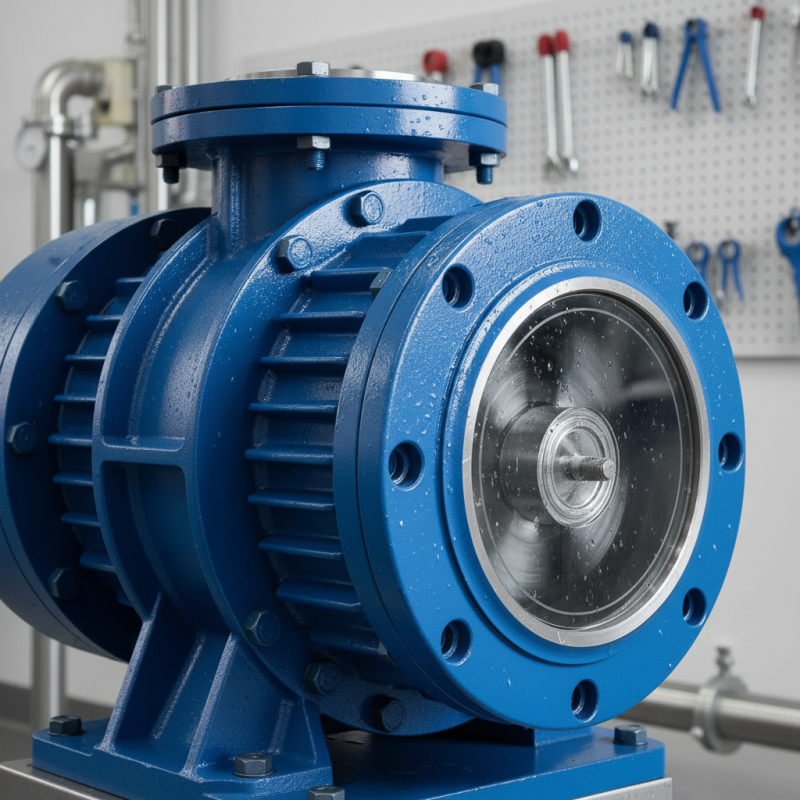
Definition of Water Pump Casing and Its Functionality
Water pump casing plays a crucial role in the operation of any water pump system. A water pump casing is essentially the outer shell that houses the pump's components. It creates a secure environment for the pump's motor and impeller. This protective layer ensures efficiency while preventing external contaminants from entering.
The functionality of the water pump casing is multifaceted. It not only provides structural support but also helps in the regulation of water flow. The design impacts the pump's performance, influencing how effectively water is drawn and expelled. If the casing is not well designed or maintained, it can lead to inefficiencies. Any cracks or leaks can cause significant issues, reducing the pump's lifespan.
In many cases, the importance of proper casing is overlooked. Users might ignore small signs of wear, thinking it's unimportant. Unfortunately, these small problems can escalate into major failures. Regular inspections can help catch these issues early. Being proactive about maintenance is vital for the longevity of the pump system. Neglecting these aspects forces a reconsideration of priorities in pump upkeep.
Materials Used in Water Pump Casing Manufacturing
Water pump casings play a crucial role in the functionality and longevity of water pumps. They encase essential components, ensuring they work efficiently. Manufacturers choose materials carefully, as the right selection can enhance durability and performance.
Common materials used in water pump casing manufacturing include cast iron, stainless steel, and plastic. Cast iron is known for its strength and resistance to corrosion. However, it can be heavy and may rust if not properly maintained. Stainless steel is lighter and more resistant to rotting, yet it can be costly. Plastic casings, on the other hand, are lightweight and resist corrosion. Yet, they may not provide the same level of strength in high-pressure situations.
Each material has distinct advantages and disadvantages. Some may perform well under certain conditions but fail in others. It's important to assess the application before making a choice. The casing temperature, pressure level, and fluid type should influence the final selection. This customization can greatly impact overall efficiency and lifespan.
The Role of Water Pump Casing in Pump Efficiency and Longevity
Water pump casing plays a vital role in the overall efficiency and lifespan of a water pump. It surrounds the pump components and provides structural integrity. A well-designed casing minimizes turbulence, allowing for smoother water flow. This leads to better performance and energy use. However, defects in the casing can lead to leaks and inefficiencies. These issues need addressing to avoid wasting energy and resources.
The longevity of a pump heavily relies on its casing. A durable casing prevents wear and tear on internal components. When the casing fails, it exposes the pump to environmental factors, increasing the likelihood of corrosion. Regular checks can be beneficial. Observing any signs of wear can help catch issues before they escalate. Keeping an eye on these details ensures the pump operates effectively.
In some cases, the importance of casing is underestimated. Many might think it merely serves as a protective shell. However, its design and material choice are crucial for heat dissipation and vibration reduction. Some might ignore these factors, leading to premature failures. Addressing these challenges ensures pumps run efficiently, promoting longevity in the long run.
Common Issues and Maintenance Practices for Water Pump Casings
Water pump casings are critical components that protect internal parts and maintain efficiency. However, they are not invincible. Common issues include corrosion, cracking, and wear due to constant exposure to water and pressure. These problems can lead to leaks, reduced performance, and costly repairs. Regular inspections are vital to catch these problems early.
Maintenance practices should be routine and thorough. Check for cracks or any signs of fatigue in the casing. Corrosion can often be managed with protective coatings. Make sure to clean any debris that might accumulate around the casing. Sometimes, small leaks can go unnoticed until they become significant. Addressing these leaks sooner rather than later can save time and resources.
It's essential to remain vigilant. Familiarize yourself with the common signs of wear and tear. This awareness can prevent unexpected breakdowns. Reflect on past experiences; did you ignore a minor issue that escalated? Regular checks and proactive repairs can enhance the longevity of water pump casings.
Applications of Water Pump Casings in Various Industries
Water pump casings play a crucial role in various industries. They provide structural support and protect internal components of the pump. This casing is vital for creating a seal against leakage. It also helps in managing pressure and maintaining efficiency in different applications.
In agriculture, water pump casings ensure smooth irrigation. They withstand harsh conditions and are vital for water distribution systems. In the construction industry, they support dewatering processes. Proper casing can lead to effective water removal. However, improper installation can cause leaks, leading to costly repairs.
In industrial settings, casings handle large volumes of water. They are essential in power generation and chemical processing. Sometimes, manufacturers overlook the importance of quality materials. This can compromise the casing's durability and efficiency. Regular maintenance is necessary to prolong the life of these casings and enhance their performance.