What is Welding Protection and Why Is It Essential?
Welding Protection is crucial for safety in the welding industry. It encompasses measures to shield welders from hazards like sparks, heat, and harmful fumes. John Smith, a renowned welding safety expert, stated, "Without proper Welding Protection, injuries are inevitable." This emphasizes the importance of protective gear and practices.
In many workplaces, welders sometimes overlook the significance of adequate safety measures. They may feel invincible or underestimate risks. However, the reality is that even a small spark can cause serious burns or injuries. A simple mistake in safety protocols can lead to devastating consequences. Proper equipment, such as helmets and gloves, is necessary for long-term health.
Workers must continuously evaluate their protective measures. Are the tools adequate? Is training up to date? Regular reflection on these questions helps ensure a safer work environment. Ultimately, Welding Protection is not just a guideline; it is a necessity for every welder.
Understanding Welding Protection: Definition and Scope
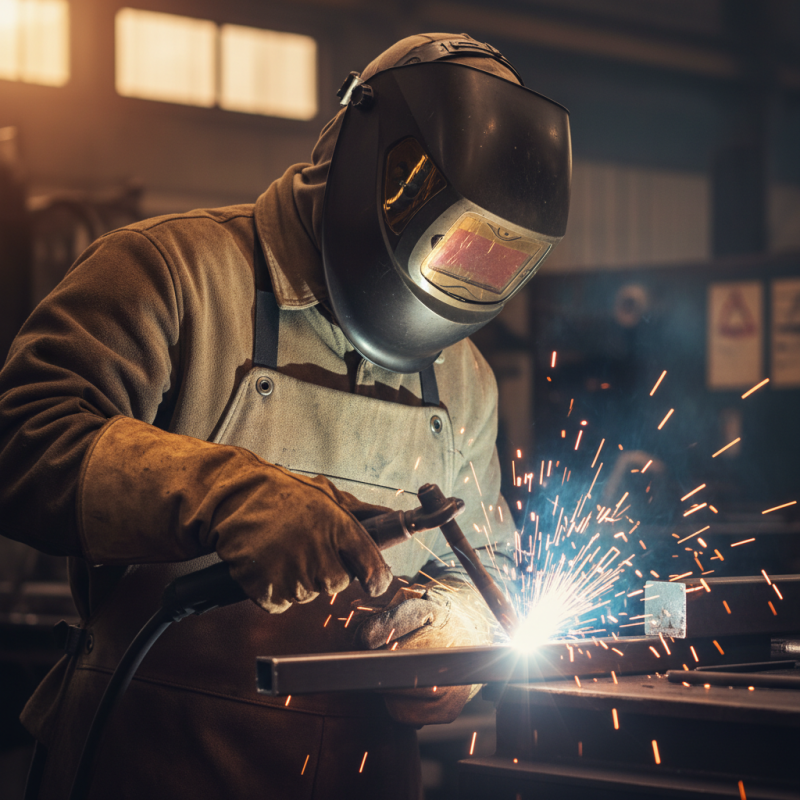
Welding protection encompasses safety measures and equipment used to safeguard workers. The welding process generates intense heat and light, posing significant risks. This protection is critical for preventing injuries and ensuring a safe working environment. Common protective gear includes helmets, gloves, and flame-resistant clothing. Each piece is designed to shield against specific hazards.
Understanding welding protection means acknowledging the various threats involved. UV radiation can cause severe skin damage, while sparks and molten metal can lead to burns. Proper ventilation is also essential in avoiding inhalation of harmful fumes. The right equipment not only protects physical health but also enhances productivity. Many workers overlook the importance of maintaining this gear. Regular checks can prevent unexpected failures during welding tasks.
Reflecting on safe practices is essential. Often, workers might underestimate risks or become complacent. It's important to consistently prioritize safety over speed. Creating a culture of safety encourages everyone to adhere to protective measures. Every detail counts, from checking equipment functionality to wearing the appropriate attire. Ignoring these aspects can lead to serious consequences.
Types of Welding Hazards and Associated Risks
Welding presents various hazards that can lead to severe injuries. These risks stem from the intense heat, bright light, and potentially harmful fumes released during the process. One of the primary hazards is exposure to ultraviolet (UV) radiation. Welders can suffer from burns or eye damage if proper protection isn’t used.
In addition, sparks generated during welding often ignite nearby materials. This can lead to fires if flammable substances are present. Respiratory issues may arise from inhaling fumes. These fumes can contain heavy metals and toxic gases that impact health.
**Tip:** Always wear protective clothing. Flame-resistant gear can prevent burns. Use a welding helmet with a proper shade to protect your eyes.
Another concern is the risk of electrical shock. Welders often work with high voltage equipment. Unearthed or damaged cables can create dangerous situations. It’s essential to inspect equipment regularly for any faults.
**Tip:** Keep work areas clean and organized. Clutter can lead to trips and falls, adding to the risk. Being aware of your surroundings is key.
Despite knowing these hazards, some neglect safety measures. It’s crucial to foster a culture of safety. Training and awareness can make a significant difference. When workers prioritize protection, risks decrease dramatically.
Essential Welding Protection Equipment and Standards
Welding protection is crucial for anyone involved in welding activities. Workers face numerous hazards, including heat, sparks, and harmful rays. Essential welding protection equipment includes helmets, gloves, and jackets. These items shield the body from intense heat and harmful UV radiation.
Choosing the right helmet is vital. A good helmet protects the face and eyes from intense light and sparks. Ensure it fits properly to prevent any accidents. Gloves should be durable and heat-resistant. They must allow for flexibility to handle tools effectively. Jackets should be made from flame-resistant material to provide comfort and safety.
Tips: Always check your gear before starting. Look for signs of wear. Replace equipment if necessary. Sometimes, it’s easy to overlook minor damages, but they can lead to significant risks. Keep your workspace organized. A cluttered area can distract you and lead to accidents. Be mindful of your surroundings; awareness is vital to ensure safety.
Welding Protection Compliance by Equipment Type
Statistics on Injuries and Safety Compliance in Welding Jobs
Welding is a dangerous profession. Injuries are common. Statistics reveal that welding accidents can lead to severe injuries. Burns, respiratory issues, and eye damage are frequently reported. In a study, about 25% of welders experienced some form of injury. Many injuries could have been prevented.
Safety compliance is critical for welders. Unfortunately, not all workers adhere to safety protocols. Protective gear is often overlooked. Proper helmets, gloves, and clothing are essential. Some welders skip using shields. This compromises their safety. The lack of awareness can stem from experience or complacency.
Moreover, training plays a vital role. Many welders receive insufficient safety training. This leads to poor decision-making in hazardous situations. Incorporating regular safety drills can improve compliance. It’s necessary to foster a culture of safety awareness. Everyone must acknowledge the risks involved. A shift in mindset is essential for reducing accidents.
Best Practices for Ensuring Safety During Welding Operations
Welding operations demand strict adherence to safety protocols. A small oversight can lead to severe injuries. Protective gear is crucial. It includes helmets, gloves, and flame-resistant clothing. Each item plays a vital role. For instance, helmets shield eyes from bright arcs and sparks. Gloves protect hands from heat and sharp edges.
Ventilation is another critical aspect. Inadequate airflow can lead to toxic fume buildup. Welders should work in well-ventilated areas. Using exhaust systems can help minimize risks. Ensuring a clean workspace is essential too. Clutter can cause accidents, which is something many overlook. It’s important to remain aware of one’s surroundings.
Communication is key during welding tasks. Team members should signal effectively to avoid accidents. Miscommunication can lead to harmful situations. Regular training sessions can reinforce safety protocols. Yet, many professionals skip these trainings. The importance of continuous learning cannot be overstated. Overall, prioritizing safety creates a better working environment.