Why Choose Silicone Products for Your Business Needs?
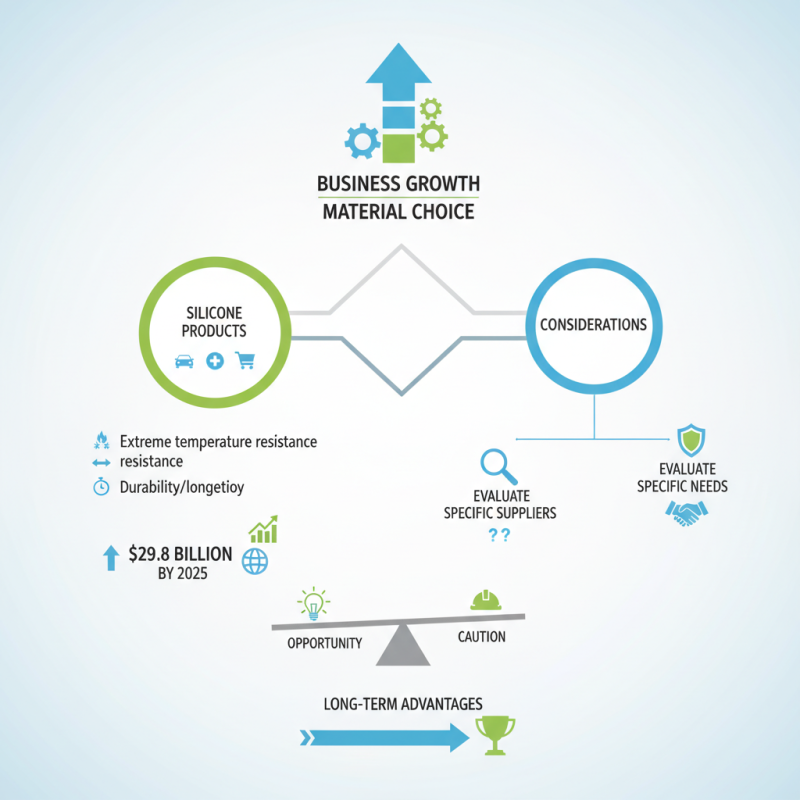
In today's rapidly evolving business landscape, the choice of materials is crucial. Silicone Products have gained immense popularity due to their versatility and durability. According to a report by Grand View Research, the global silicone market is expected to reach $29.8 billion by 2025. This growth reflects increasing demand across various industries, including automotive, healthcare, and consumer goods.
John Davis, a leading expert in silicone materials, states, “Using silicone products can enhance product longevity and performance.” Silicone offers unique advantages, like resistance to extreme temperatures and excellent flexibility. However, businesses must evaluate their specific needs before committing. Not every silicone product may suit every application, and understanding these nuances is essential.
While silicone's benefits are compelling, there are challenges. Not all manufacturers maintain high standards. Quality can vary widely. It's essential to choose reputable suppliers to avoid pitfalls. Investing in the right silicone products could yield long-term advantages, but careful consideration is necessary. This balance between opportunity and caution will ultimately shape successful business strategies.
Benefits of Silicone Products for Various Business Applications
Silicone products are increasingly popular for various business applications. Their versatility makes them suitable for many industries. Silicone is durable and can withstand extreme temperatures. This makes it ideal for both high and low environments. Businesses can benefit from using silicone in kitchenware, automotive, and healthcare sectors.
In kitchenware, silicone molds offer flexibility that metal cannot provide. They are non-stick, making cleaning easier and reducing food waste. In automotive applications, silicone seals and gaskets are resistant to oil and heat. This ensures longevity and safety in critical components. Healthcare relies on silicone for its hypoallergenic properties. Medical devices often require materials that won't cause reactions.
These advantages make silicone beneficial, but there are considerations. Some users may find silicone products expensive upfront. Additionally, not all silicone products are created equal. Quality can vary significantly, requiring careful selection. A thorough evaluation of suppliers and materials is essential.
Durability and Longevity: Why Silicone Outperforms Other Materials
When considering materials for business needs, silicone stands out for its durability and longevity. Silicone products can withstand extreme temperatures, from freezing cold to scorching heat. This versatility leads to fewer replacements and consistent performance. Unlike traditional materials, silicone resists degradation from UV light, ozone, and weathering. Businesses that prioritize longevity can significantly reduce costs over time.
Tips: Always check silicone specifications. Knowing your temperature and environmental requirements can ensure optimal performance. Invest in high-quality silicone, as not all products are created equal. It’s essential to assess the manufacturer's standards.
Silicone's flexibility allows it to bend without breaking. This property makes it ideal for various applications, from kitchenware to industrial parts. However, not all silicone products perform alike; some may lack the required tensile strength. Researching and selecting the right option is crucial to avoid potential failures. Look for reliable suppliers and read reviews to ensure you’re making a sound investment.
Sustainability Considerations: Eco-Friendly Aspects of Silicone
Silicone products have emerged as a sustainable choice for businesses. Unlike traditional plastics, silicone is durable and can withstand extreme temperatures. Reports indicate that silicone can last over 25 years in use, reducing waste. Many companies seek materials that align with eco-friendly practices. Industry data shows that switching to silicone can reduce landfill waste by up to 30%.
Silicone is also non-toxic and safe for food contact. Its production requires less energy compared to plastic. A study by the Environmental Protection Agency highlights that silicone production generates less than half the CO2 emissions of plastic. Businesses prioritizing eco-friendly materials often find silicone suits their values.
However, sourcing silicone can present challenges. Not all silicone products are created equal. It’s crucial to ensure that the silicone is medical or food-grade. Some products labeled as silicone may still contain harmful additives. Transparency in sourcing is essential for businesses committed to sustainability. These considerations are vital for maintaining trust and integrity in eco-friendly practices.
Why Choose Silicone Products for Your Business Needs? - Sustainability Considerations: Eco-Friendly Aspects of Silicone
| Aspect | Silicone | Traditional Plastics |
| Biodegradability | Not biodegradable, but recyclable | Not biodegradable |
| Durability | Highly durable, can last for decades | Varies widely; often less durable |
| Toxicity | Non-toxic and safe for food contact | Can leach harmful chemicals |
| Energy Consumption in Production | Lower energy required for production processes | Higher energy consumption |
| Recyclability | Recyclable in specialized facilities | Limited recyclability |
| Applications | Used in various industries including medical, kitchenware, and electronics | Commonly used in packaging and single-use products |
Cost-Effectiveness: How Silicone Products Can Save Your Business Money
Silicone products have gained attention for their cost-effectiveness in various business applications. Their durability and versatility make them excellent investments. For many businesses, the initial cost of silicone goods can seem high. However, this often leads to significant savings over time.
Silicone is resistant to extreme temperatures and harsh chemicals. This resistance means less frequent replacements and lower maintenance costs. Unlike materials that wear down quickly, silicone products maintain their integrity longer. Companies see fewer disruptions in production because of this reliability.
Moreover, silicone’s lightweight nature reduces shipping costs, particularly for larger orders. Its flexibility allows for various designs, minimizing waste during production. While some skeptics may question the upfront investment, the long-term benefits make silicone a wise choice. Businesses should consider these factors when evaluating their operational efficiency.
Versatility of Silicone: Applications Across Different Industries
Silicone is increasingly popular across various industries. Its unique properties make it an exceptional choice. Silicone products are flexible, durable, and resistant to extreme temperatures. This versatility means they can be used in cooking, automotive applications, and even medical devices.
In the kitchen, silicone bakeware offers non-stick benefits, making it easier to remove baked goods. This material withstands high temperatures without warping. In the automotive sector, silicone seals and gaskets provide reliability in harsh conditions. They prevent leaks and enhance the performance of vehicles.
Medical devices also benefit from silicone’s biocompatibility. It’s safe for contact with the human body. However, not all silicone is created equal. Some products may not meet specific regulatory standards. Businesses must be diligent in sourcing materials. Ensuring quality is crucial for safety and reliability. Proper evaluation can make or break product integrity.
Applications of Silicone Products Across Different Industries